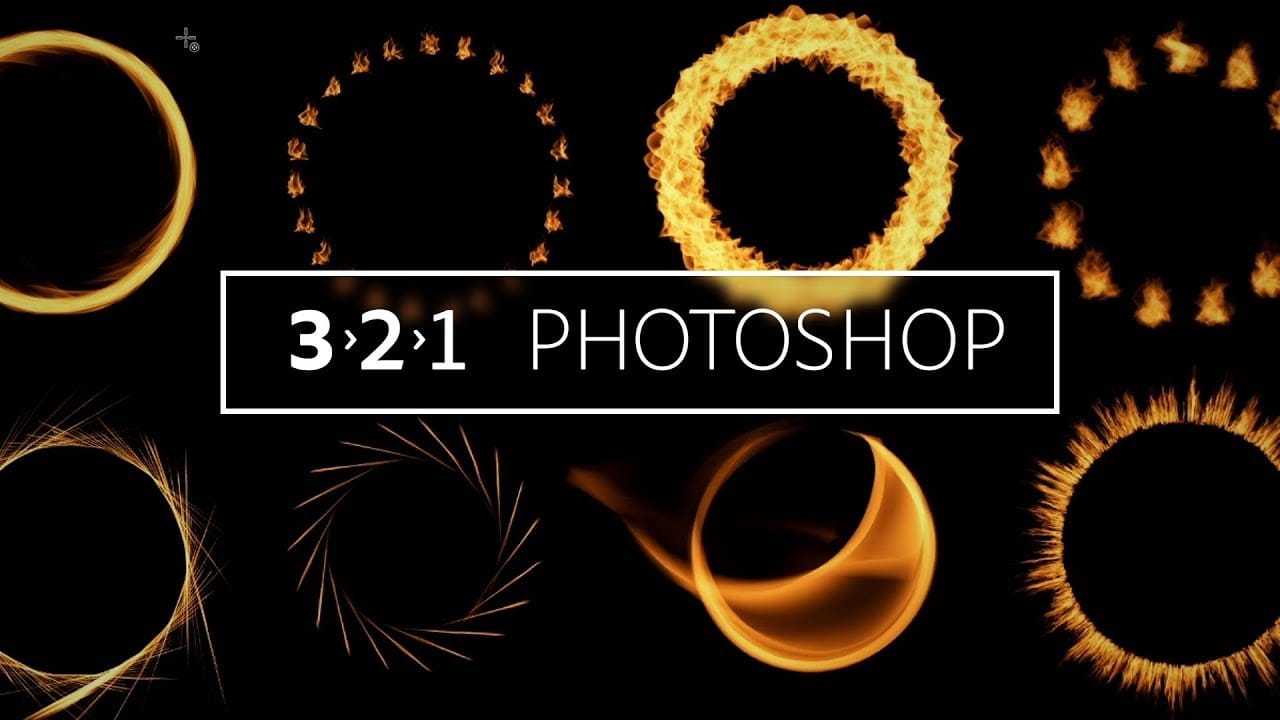
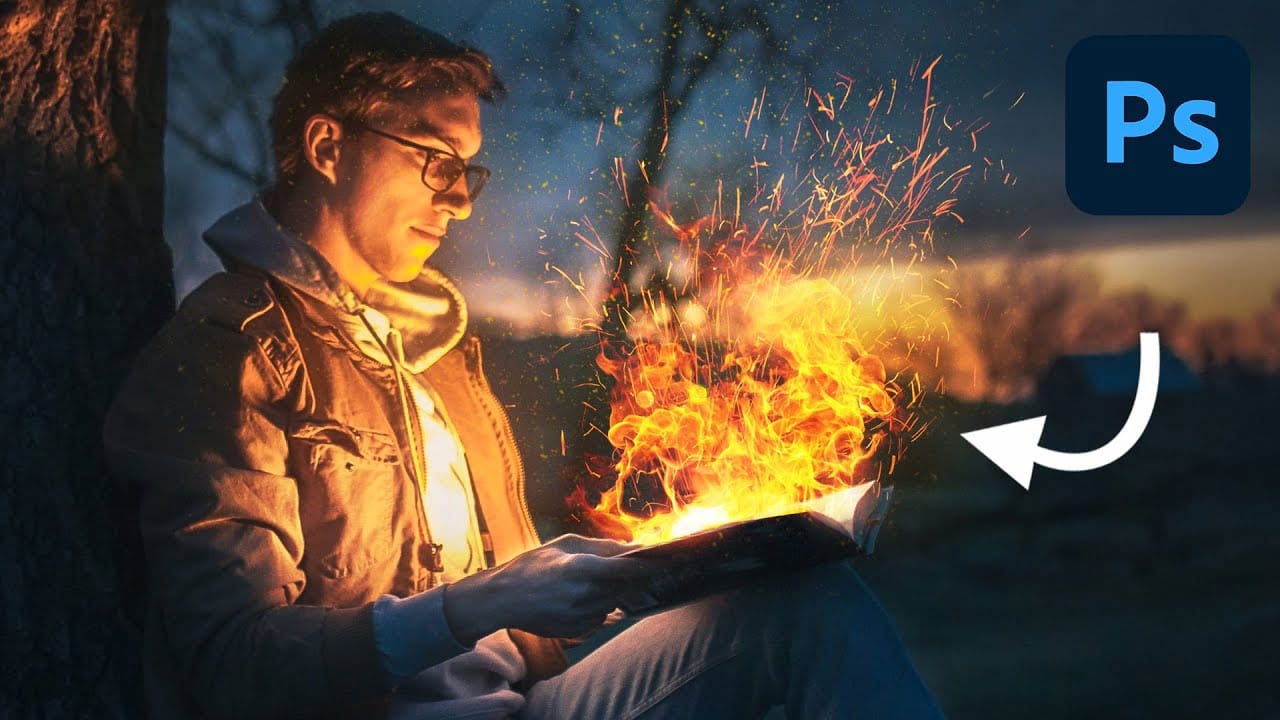
Create a Powerful Ring of Fire in Adobe Photoshop

Create a Powerful Ring of Fire in Adobe Photoshop

Adding realistic fire effects can dramatically enhance digital art and photo manipulations, bringing a sense of energy and intensity to any scene. Mastering these techniques allows designers to transform ordinary images into captivating visual narratives.

This tutorial demonstrates how to construct a powerful ring of fire in Photoshop, covering essential steps from path creation to applying dynamic flame and spark effects. Viewers will gain practical skills for integrating complex visual elements into their projects.

Watch the Video

Video by Blue Lightning. Any links or downloads mentioned by the creator are available only on YouTube

Understanding Photoshop's Flame Filter for Dynamic Effects

Photoshop's built-in Flame filter, introduced in Photoshop CS6 and further refined in Creative Cloud versions, offers a powerful procedural method for generating realistic fire effects directly within the application. Unlike relying solely on stock images, this filter allows for dynamic customization of flame appearance, direction, and intensity, providing artists with greater control over their fiery compositions.

The filter operates by generating flames along a path, enabling precise placement and shaping. Users can choose from various flame types, adjust characteristics like length and interval, and even define custom color gradients to achieve specific visual temperatures or ethereal glows. This procedural approach ensures that each flame generated is unique, contributing to a more organic and believable final effect.

Integrating generated flames with complementary elements such as sparks is crucial for achieving a complete and convincing fire simulation. While the Flame filter produces the core fire, sparks add the necessary particulate detail and movement, enhancing the overall realism and visual impact of the effect.

Practical Tips for Creating Fire Effects

  • Ensure consistent results by setting your background resolution to 72 pixels per inch via Image > Image Size before starting.
  • Utilize the Ellipse Tool in "Path" mode to create a precise circular path for your flame generation.
  • Leverage the Flame filter's extensive settings, including Multiple Flames One Direction and Randomize Length, to customize the appearance of your fire.
  • Enhance flame depth and luminosity by applying multiple Outer Glow effects with different Blend Modes, such as Overlay and Color Dodge.
  • Organize your layers by grouping related elements into folders (Ctrl/Cmd + G) and apply layer masks to folders for selective adjustments.

Explore additional techniques for creating fire and light effects in Photoshop with these related articles and tutorials.
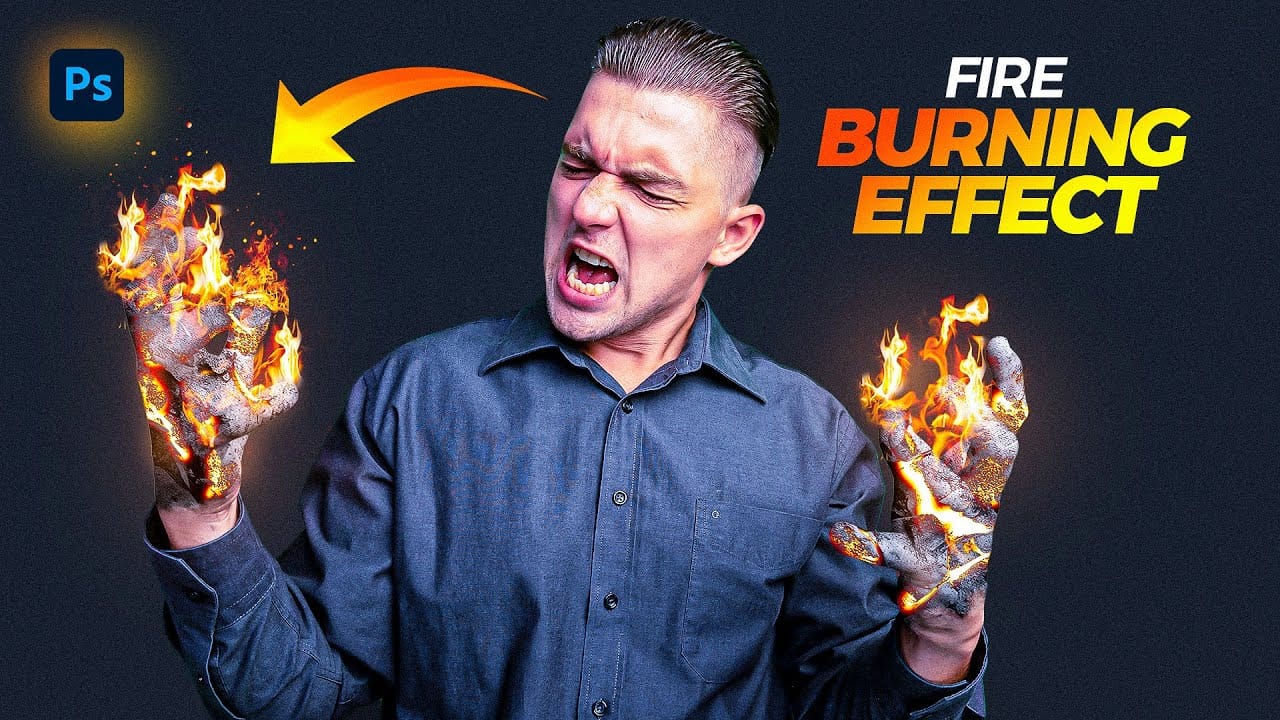
Create a Fire Burning Effect in Photoshop
Creating a fire-burning effect in Photoshop is a fascinating process that can enhance your images dramatically. Start by setting up a new file with dimensions of 1920 x 1080 pixels. Import the necessary images, which can be found in the provided link. Duplicate your main layer using Ctrl + J, then convert it to black and white through the Image Adjustments menu by selecting Hue/Saturation and removing all saturation. Next, apply an inverted mask to the black and white layer. Use the brush tool
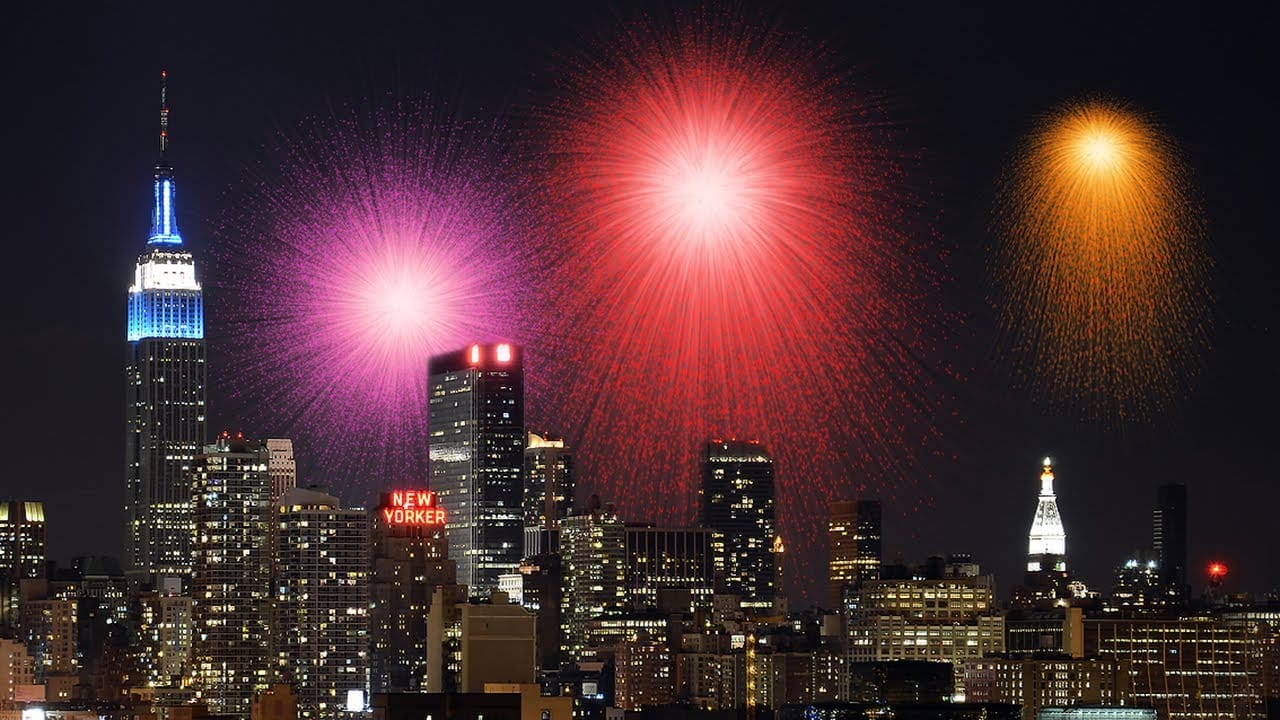
Create awesome fireworks in Photoshop
In this Photoshop tutorial from BlueLightning TV, you will learn how to create stunning visuals of fireworks bursting over a skyline at night. The tutorial provides step-by-step instructions, making it easy for you to follow along, regardless of your skill level. As you explore the techniques demonstrated, you will discover how to manipulate images and use various tools within Photoshop to achieve professional-looking results. The emphasis is on layering effects and enhancing colors to bring yo
How to Create Flames in Photoshop
In this tutorial, Julieanne Kost walks you through the process of creating realistic flames in Photoshop. The tutorial simplifies the process into four manageable steps, making it accessible even for beginners. Kost starts by guiding you through the basics of setting up your workspace and selecting the right tools. She then demonstrates how to use different paths and brush settings to shape and control the flame effect. By adjusting various parameters, you can achieve a dynamic and realistic fl
How to Create Realistic Fire in Photoshop
In this tutorial by Aaron Nace from Phlearn, you'll learn how to add realistic fire effects to your photos using Photoshop. The tutorial focuses on blending free stock images of fire into your own photographs to create a convincing fire effect. Aaron Nace demonstrates how to effectively use common tools like Blending Modes and Layer Masks to integrate the fire seamlessly into your images. You will explore techniques for adjusting the fire’s appearance, ensuring it matches the lighting and persp

Get tutorials & freebies delivered to you.

Subscribe to the Photoshop Roadmap newsletter, a weekly roundup of new tutorials, insights and quality downloads, trusted by 6500+ readers.

You might also like

Create a Liquid Gel Logo Effect in Photoshop

Liquid gel effects transform flat logos into dimensional, glossy designs that appear to bubble and flow. This technique uses multiple layer styles and strategic duplication to build depth, creating surfaces that catch light like thick, viscous liquid. The method combines gradient overlays, bevel effects, and inner glows across several duplicated...

How to Use Photoshop's AI Sharpen Filter and When It's Worth the Cost

Photoshop's new AI Sharpen filter promises one-click sharpening powered by advanced algorithms. This tool uses technology from Topaz Labs to enhance image details without manual adjustments, but it comes with a significant cost in credits. Understanding when to use this automated approach versus traditional methods like the High...

How to Use Harmonize and Generative Upscale Tools in Photoshop

Creating realistic photo composites requires matching lighting and color between different images—a traditionally time-consuming process. Two new AI-powered tools in Photoshop solve these challenges: Harmonize automatically adjusts lighting and shadows to blend subjects seamlessly into backgrounds, while Generative Upscale enlarges small images without losing detail. These tools work together...

How to Create Convincing Scale Effects in Photoshop Composites

Creating believable scale effects requires more than simply resizing objects—it demands understanding how light, perspective, and atmospheric conditions change with distance. When tiny subjects appear massive or giant objects seem miniature, viewers should feel the illusion is completely natural. This technique combines careful attention to lighting consistency, depth cues,...

How to Flip Images Horizontally and Vertically in Photoshop

Flipping images is a fundamental technique that can dramatically change the composition and impact of your photos. Whether you need to correct the orientation of a subject, create mirror effects, or simply improve the visual flow of your design, knowing how to quickly flip images both horizontally and vertically gives...

How to Use Nano Banana Pro in Photoshop for Background Replacement and Scene Changes

Nano Banana Pro transforms how you place subjects into new environments in Photoshop. This advanced AI model maintains perfect subject likeness while seamlessly integrating them into any background you can imagine. The tool excels at matching lighting, preserving facial features, and even adapting clothing to complement new scenes, all through...

You’ve successfully subscribed to Photoshop Roadmap
Welcome back! You’ve successfully signed in.
Great! You’ve successfully signed up.
Success! Your email is updated.
Your link has expired
Success! Check your email for magic link to sign-in.