How to make any photo look better in seconds in Photoshop

How to make any photo look better in seconds in Photoshop

Many photographs, despite good composition, can often lack that captivating polish or depth. Achieving a professional and visually appealing aesthetic often seems like a complex or time-consuming endeavor for photographers and digital artists.

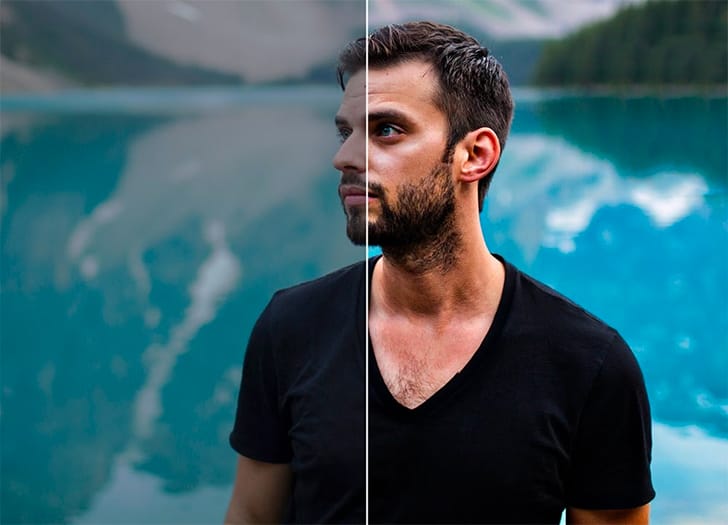
This tutorial introduces a simple yet powerful Photoshop technique, sometimes referred to as the "euro glow" or "euro tint," designed to quickly elevate the quality of any image. Readers will learn how a few clicks can add contrast, vibrance, and a subtle softening effect, enhancing both portraits and landscapes.

Watch the Tutorial: Apply the 'Euro Glow' Effect

Any links or downloads mentioned by the creator are available only on YouTube

Understanding the 'Glow' Effect: Blending Modes and Blur

Effective photo enhancement frequently relies on the strategic use of layers and blending modes to introduce depth and atmosphere. Rather than making destructive direct edits, blending modes like Overlay and Soft Light non-destructively alter how layers interact. These modes influence contrast and color, adding vibrancy or subtlety without permanently modifying the original pixel data, offering immense flexibility in artistic expression.

Similarly, applying a controlled blur, specifically a Gaussian Blur to a duplicated layer, serves more than just de-focusing. When combined with an appropriate blending mode, this blur can create a soft, ethereal glow. This technique is particularly effective for smoothing out textures such as skin and hair, transforming "straw-like" hair into "silky" strands, and diffusing light to achieve a more flattering overall aesthetic. This layered approach allows for precise control, as artists can then use layer masks to selectively refine areas, bringing back sharpness where necessary while maintaining the desired soft glow.

Quick Steps to Apply the 'Euro Glow' in Photoshop

  • Begin by duplicating your background layer (Ctrl+J on Windows or Command+J on Mac) to ensure non-destructive editing and preserve your original image.
  • Experiment with blend modes, choosing Overlay for a strong contrast and color pop, or Soft Light for a more subtle enhancement. Adjust the Opacity of the layer to fine-tune the intensity of the effect.
  • Apply a Gaussian Blur to the duplicated layer. The goal is to find a "sweet spot" where a soft glow emerges without making the image appear overly blurred or unnatural. The optimal blur radius will vary based on the image's resolution and specific content.
  • Utilize a layer mask to selectively apply or remove the effect. Paint with black on the layer mask to bring back sharpness and detail to important areas, such as the eyes and lip lines, while allowing the glow to soften other areas like skin and hair. This can also help smooth out minor imperfections like chapped lips or acne.
  • Remember this technique's versatility: it effectively enhances portraits by improving skin and hair texture, and also adds depth and atmosphere to landscapes or other types of photos.

Explore More Photoshop Enhancement Tutorials

Discover additional techniques and resources to further refine your image editing skills.

How to make your photos look better FAST in Photoshop
In this tutorial, talented photographer and instructor Peter McKinnon is going over some techniques to make your photos pop, stand out and generally just look better, fast! If you are looking for ways to step up your editing game and enter the ring with photoshop, this video is for you! More
5 tips to make your photos better in Photoshop
How to make your photos look better fast in Photoshop. 5 Tips to make all your photos look better in Photoshop. This Photoshop tutorial shows you 5 things you should do to make your photos look better than ever. More
You can learn Photoshop in 15 minutes - here’s how
If you’re looking to learn Photoshop quickly, this beginner tutorial is perfect for you. In just 15 minutes, you can get started with the basics and gain the confidence to explore further. The tutorial covers essential topics such as opening images, creating new documents, and navigating the workspace. You

Get tutorials & freebies delivered to you.

Subscribe to the Photoshop Roadmap newsletter, a weekly roundup of new tutorials, insights and quality downloads, trusted by 6500+ readers.

You might also like

Basic Photoshop techniques you really need to learn

Photoshop hasn’t changed as much as it looks. New features come and go, but the same core techniques keep showing up in real work. If you skip them, everything feels harder than it should. This post focuses on those basics, not as isolated tricks, but as skills you’ll...

How to Use Select Subject for Background Removal and Edge Refinement

Background removal becomes effortless when you know how to use the right tools. AI-powered selection can instantly isolate subjects from their backgrounds, but the real skill lies in refining those selections to create professional results. This guide covers the complete workflow from initial selection to edge refinement, plus creative techniques...

How to Wrap Text Around Any Shape in Photoshop

Creating text that flows naturally around irregular shapes transforms static layouts into dynamic, professional designs. This technique works particularly well for posters, magazine layouts, and editorial designs where text needs to integrate seamlessly with complex subjects rather than simply sitting in rigid rectangular boxes. The process combines selection tools, path...

How to Edit Text in Images Using Generative Fill

Changing text within existing images has traditionally required complex masking and reconstruction techniques. Modern AI-powered tools now make it possible to seamlessly replace words and phrases in photographs while maintaining realistic typography, lighting, and perspective that matches the original scene. This technique works particularly well for signs, storefronts, billboards, and...

How to Remove Dust and Sensor Spots Using Photoshop Tools

Dust spots and sensor particles are inevitable challenges in digital photography, appearing as dark specks that distract from otherwise clean images. Camera sensors collect dust over time, creating consistent spots that show up across multiple photos, particularly in bright sky areas or uniform backgrounds. Both Lightroom and Photoshop offer specialized...

Photoshop vs Affinity Photo: Feature Comparison and Professional Analysis

When choosing professional photo editing software, the decision often comes down to comparing features, performance, and value. This detailed comparison examines the core capabilities of both applications across noise reduction, smart selections, object removal, masking, and AI-powered tools. The analysis covers real-world scenarios that professionals encounter daily, from complex background...

You’ve successfully subscribed to Photoshop Roadmap
Welcome back! You’ve successfully signed in.
Great! You’ve successfully signed up.
Success! Your email is updated.
Your link has expired
Success! Check your email for magic link to sign-in.