Create a Glitch Art Effect in Photoshop

Create a Glitch Art Effect in Photoshop

Glitch art has emerged as a distinctive aesthetic in the digital age, rooted in the unexpected visual outcomes of digital errors. This art form transforms technical malfunctions into deliberate creative expressions, offering a unique visual language.

This tutorial explores how to simulate this captivating effect from a standard photograph in Photoshop, guiding you through the essential steps to transform your images into compelling glitch art pieces.

Watch the Video

Video by Blue Lightning. Any links or downloads mentioned by the creator are available only on YouTube

The Digital Aesthetic of Glitch Effects

Glitch art, a relatively new art form, draws its inspiration from the accidental visual distortions that occur in digital media. What began as an unintended consequence of technical malfunctions—like corrupted data or signal interference—has been embraced and intentionally replicated by artists to create unique and striking visuals.

This aesthetic resonates deeply within contemporary digital culture, reflecting our increasing interaction with technology and its inherent imperfections. By deliberately introducing elements of disruption, artists can comment on the fragility of digital information or simply explore new visual possibilities that defy traditional artistic norms.

The visual characteristics of glitch art often include:

  • Pixelation and fragmentation
  • Unexpected color shifts and banding
  • Geometric anomalies and distortions

These elements collectively contribute to a sense of digital decay or controlled chaos, making each piece distinctively dynamic.

Practical Tips for Creating Glitch Art Effects

  • Apply the Filter > Pixelate > Fragment effect, then repeat it using Ctrl/Cmd + F to intensify the initial pixelation.
  • Use a Hue/Saturation adjustment layer with the "Colorize" option checked to introduce a specific color tint to your glitch effect.
  • Utilize the Filter > Distort > Shear tool to introduce controlled, wavy distortions, remembering that holding Alt/Option allows you to undo the last point.
  • Create horizontal bar effects by filling a new layer with 50% gray, applying Filter Gallery > Sketch > Halftone Pattern (Pattern Type: Line), and then making a layer mask from Select > Color Range > Highlights.
  • Soften or reveal parts of your distorted layers by painting on their layer masks with a black brush to hide and a white brush to reveal, adjusting opacity for blending.

More Tutorials about Glitch and Photo Effects

Explore additional Photoshop tutorials to enhance your skills in creating unique photo manipulations and artistic effects.
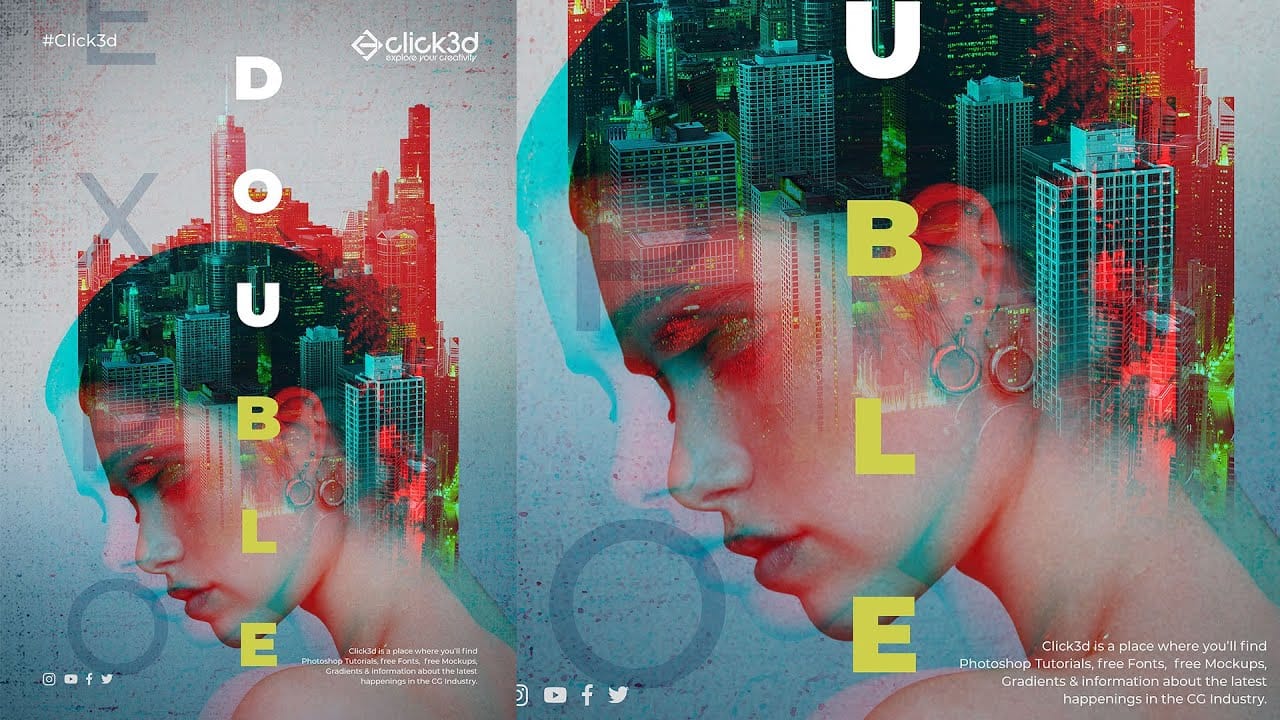
Double Exposure Glitch Poster Design in Photoshop
In this Photoshop tutorial by Click3D, you'll learn how to create a striking double exposure glitch poster design. The tutorial guides you through the process step by step, starting with the basics of setting up your project and selecting your images. You'll discover how to combine double exposure techniques with glitch effects to achieve a unique and eye-catching design. The tutorial covers essential steps like blending layers, applying distortion effects, and refining your poster to enhance t
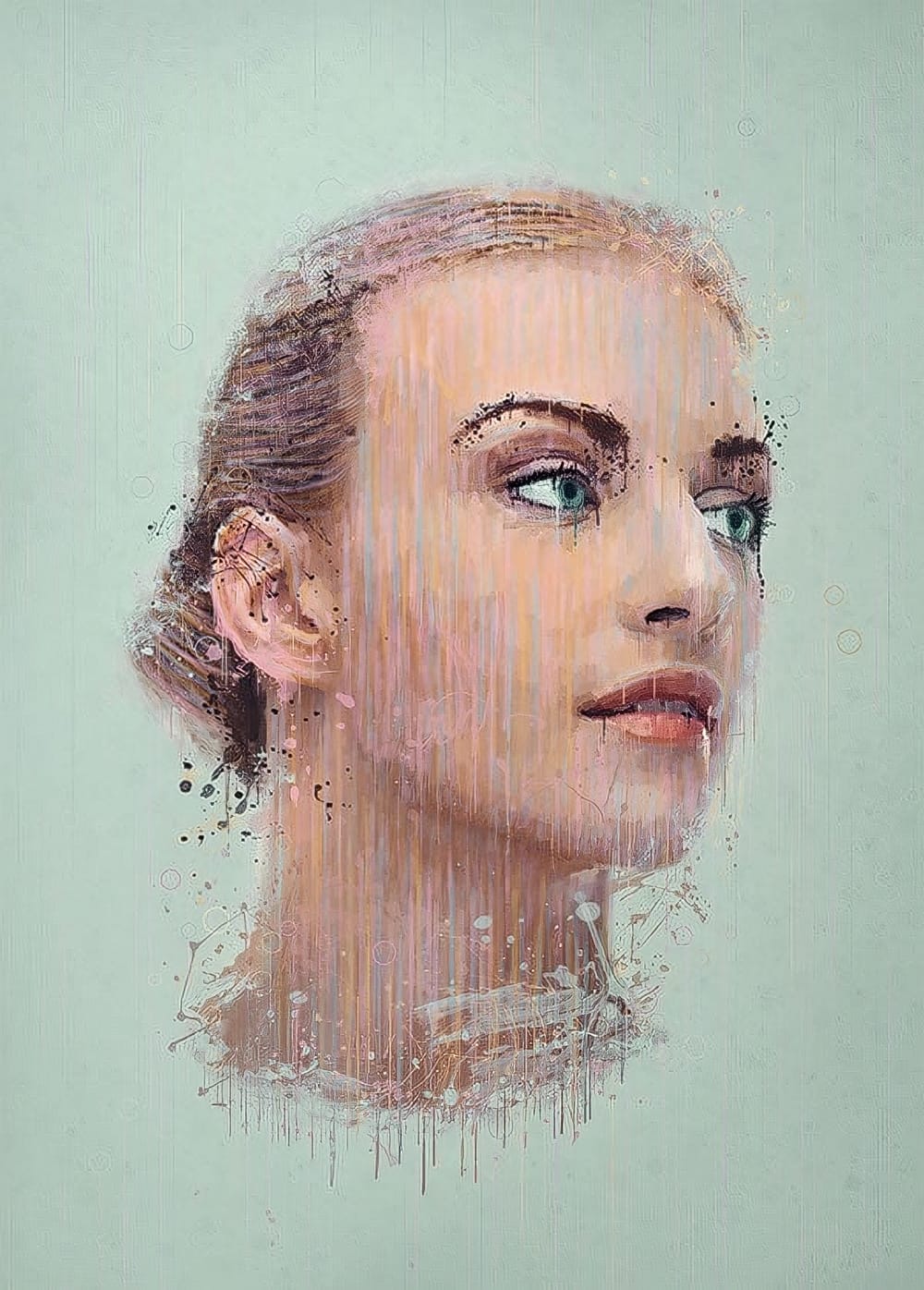
Apply a painterly splatter effect to a photo in Photoshop
In this tutorial, you will learn how to create a unique and visually striking portrait photo with a splatter paint and drip effect in Photoshop. The techniques covered include overlay painting, blending, and coloring methods. You'll start by working with your portrait image, experimenting with different overlay modes and blending options to achieve the desired paint-like effect. Then, you'll explore adding drips and splatters to the image, using various brushes and techniques to ensure a natura
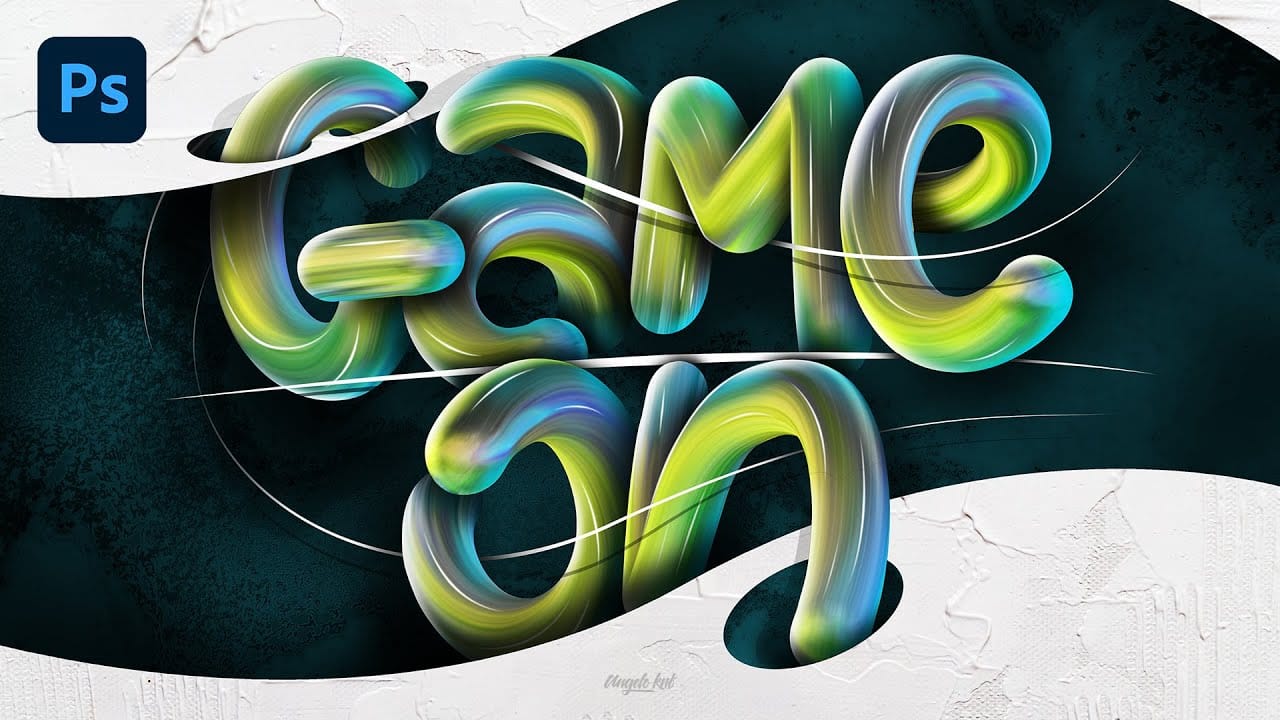
Colorful Painted 3D Text Effect Tutorial in Photoshop
In this tutorial by Angelo Konofaos, you'll explore how to create a 3D-style text effect in Photoshop, alongside techniques like adding shadows, highlights, shines, and colors. Utilizing a variety of Photoshop tools such as the Mixer Brush, Pen Tool, clipping masks, and adjustment layers, the tutorial demonstrates the process of refining text to achieve a polished and dimensional look. For optimal results, Konofaos recommends using a pen tablet like the Wacom Intuos to enhance precision and fl
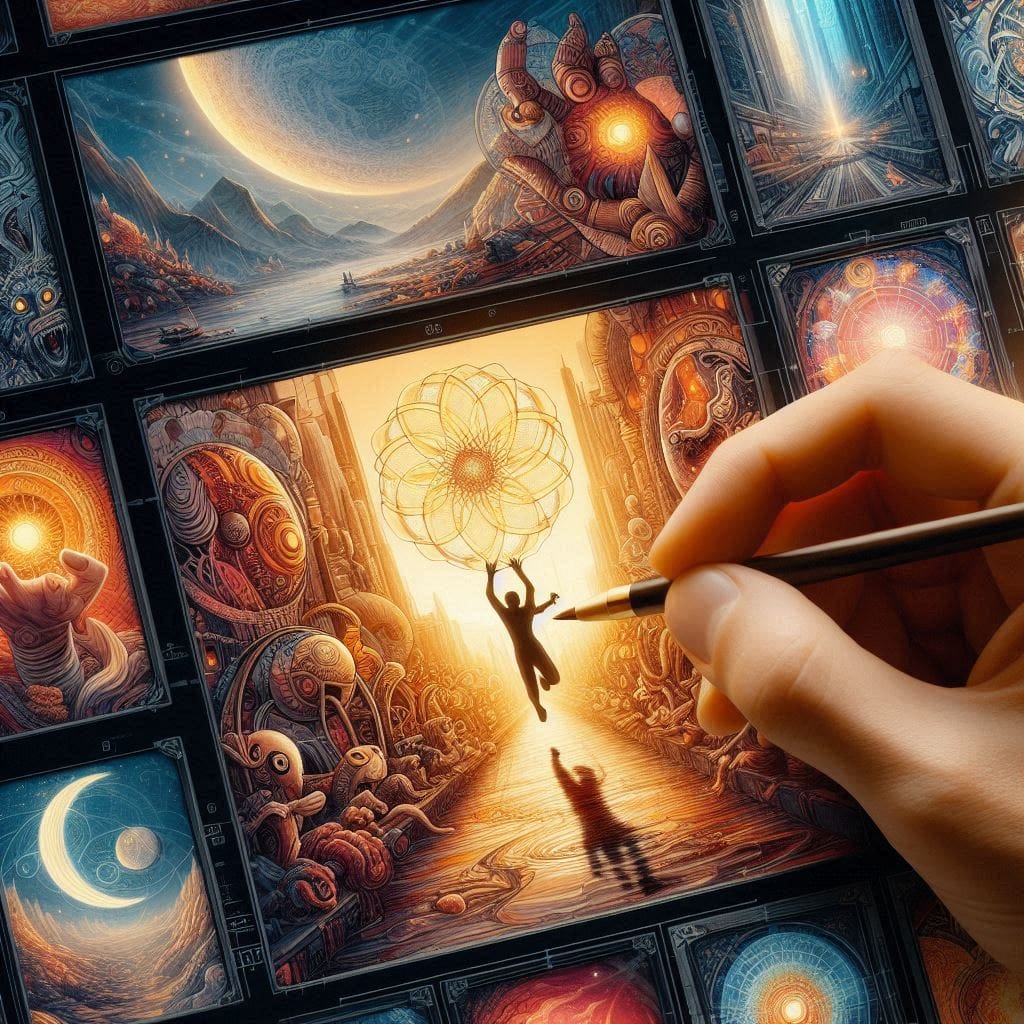
Beautiful Illustration Effects and Techniques Photoshop Tutorials
This collection of Photoshop tutorials focuses on various illustration effects and techniques, perfect for those interested in enhancing their artistic skills. You will discover how to create striking images through a variety of methods, including pencil sketches, mixed media, and watercolor styles. By following these tutorials, you can learn to produce unique artistic pieces that stand out. Each lesson offers clear step-by-step instructions, making it easy to grasp new concepts and apply them

Get tutorials & freebies delivered to you.

Subscribe to the Photoshop Roadmap newsletter, a weekly roundup of new tutorials, insights and quality downloads, trusted by 6500+ readers.

You might also like

When to Use Saturation vs Vibrance for Better Color Enhancement

While vibrance gets praised for being "gentler" than saturation, the reality is more nuanced. Saturation works like a universal volume knob, boosting all colors equally, while vibrance acts like a smart equalizer, selectively enhancing less saturated areas first. Understanding when each approach serves your creative vision makes the...

How to Check Your Generative Fill Credit Balance in Photoshop

Keeping track of your AI credit usage becomes essential when working with premium generative features. Understanding your remaining balance helps you budget your edits and avoid unexpected interruptions during important projects. The credit system divides features into standard tools (like basic generative fill) that don't consume credits, and...

How to Create Realistic Depth Blur Effects in Photoshop

Creating professional depth of field effects can transform flat images into dynamic photographs with natural-looking focus transitions. Two powerful methods in Photoshop offer different advantages: Neural Filters provide automated depth detection with atmospheric effects like haze, while Camera Raw Filter delivers precise manual control with customizable bokeh shapes. Both techniques...

Three Professional Methods to Fix White Balance in Photoshop

Color casts can ruin even the best photographs, making whites appear yellow, blue, or green instead of neutral. Poor white balance destroys the natural look of your images and creates an unprofessional appearance that's immediately noticeable to viewers. These three techniques provide increasingly precise control over white balance...

Creating Dark Moody Wildlife Photo Edits in Photoshop

Dark, moody wildlife photography transforms ordinary animal portraits into dramatic, atmospheric pieces that capture the mystery and power of nature. This editing approach combines strategic lighting placement, careful color grading, and atmospheric effects to create compelling images that draw viewers into the scene. The workflow begins with essential noise reduction...

How to Create Professional Photo Composites in Photoshop

Creating compelling photo composites requires more than simply placing images together. This comprehensive tutorial demonstrates how to blend multiple elements seamlessly, from matching lighting and color to painting realistic shadows and highlights. The project showcases a dramatic scene inspired by Stranger Things, combining buildings, characters, and atmospheric effects with precise...

You’ve successfully subscribed to Photoshop Roadmap
Welcome back! You’ve successfully signed in.
Great! You’ve successfully signed up.
Success! Your email is updated.
Your link has expired
Success! Check your email for magic link to sign-in.