7 Photo Mistakes You Can Easily Fix in Photoshop

7 Photo Mistakes You Can Easily Fix in Photoshop

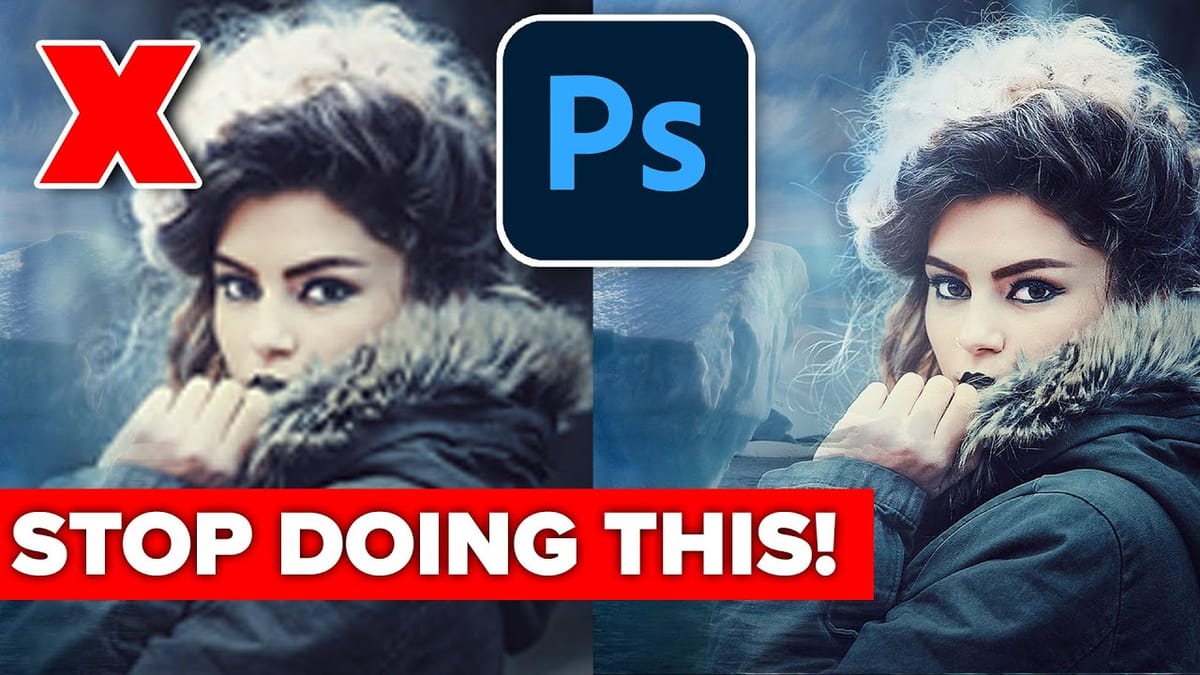
Even experienced photographers struggle with certain technical challenges that can ruin an otherwise perfect shot. Motion blur from camera shake, missed focus on key subjects, overexposed highlights, or unwanted color casts are frustrating problems that happen to everyone—and sometimes they're impossible to avoid in-camera.

This comprehensive tutorial demonstrates seven essential Photoshop techniques for rescuing imperfect photos. From advanced sharpening methods to selective color correction, these workflows will help transform problematic images into professional results and expand your post-processing toolkit.

Watch the Tutorial

Any links or downloads mentioned by the creator are available only on YouTube

Understanding Photo Correction Fundamentals

Photo correction in Photoshop relies on understanding the underlying cause of each problem. Motion blur requires directional analysis, while missed focus benefits from edge detection algorithms. Exposure issues demand careful highlight and shadow recovery, while color problems need targeted hue and saturation adjustments.

The key to professional results lies in using Smart Filters and adjustment layers whenever possible. These non-destructive techniques preserve your original image data and allow for precise refinements later. Many corrections also benefit from selective masking, applying fixes only where needed rather than globally.

Modern AI-powered tools like Topaz Photo AI can often deliver superior results for complex problems like severe motion blur, but Photoshop's built-in tools remain highly effective for most common issues and offer greater creative control.

Essential Photo Repair Techniques

  • Use Filter > Sharpen > Smart Sharpen with motion blur removal for camera shake, adjusting the angle to match the blur direction and fine-tuning the radius to avoid halo artifacts
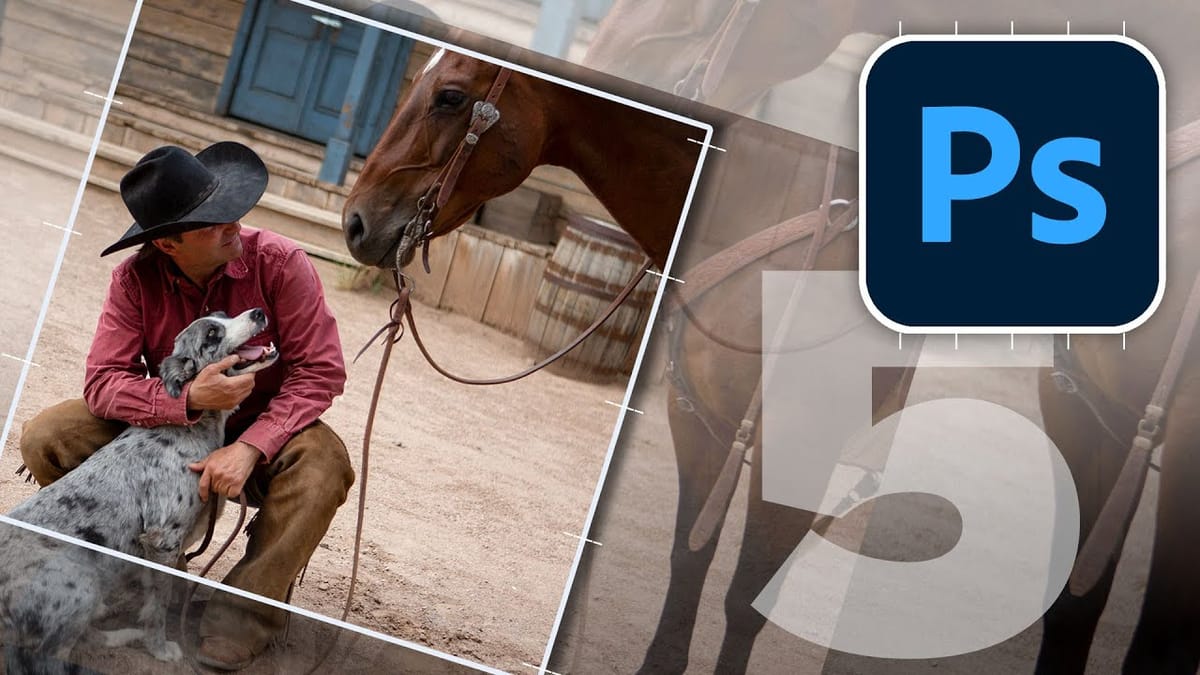
  • Apply targeted sharpening with negative masks to fix missed focus selectively—sharpen soft areas like eyes while protecting already-sharp elements like hair or clothing
  • Recover blown highlights using Camera Raw Filter with reduced highlights and auto-adjusted whites for natural-looking detail restoration
  • Fix color casts with Hue/Saturation adjustment layers, using the hand tool to target specific color ranges and adjusting the selection sliders for precise control
  • Remove sweat patches and skin discoloration by selecting the problem area, then using targeted lightness and saturation adjustments combined with the Remove Tool for edge cleanup

Explore More Photoshop Tutorials

These related tutorials cover additional photo correction and enhancement techniques:

10 Critical Photoshop Mistakes You Must Stop Making
We all love to laugh at other people’s mistakes, especially while looking at those hilarious Photoshop Fails. But when are you going to fix your own mistakes? Even those so-called experts make mistakes sometimes. So, before you call yourself a Photoshop master, see if you make any of these amateur mistakes when using Photoshop. 1) […] More
Avoid the 3 worst Photoshop photo editing mistakes
How to avoid the biggest Photoshop photo editing mistakes that make you look like a noob. More
5 tips to make your photos better in Photoshop
How to make your photos look better fast in Photoshop. 5 Tips to make all your photos look better in Photoshop. This Photoshop tutorial shows you 5 things you should do to make your photos look better than ever. More
21 Photoshop Tips – From Basic to Advanced!
This tutorial by TextureLabs covers a wide range of Photoshop tips and tricks aimed at enhancing your editing skills, regardless of your experience level. You will find various techniques that cater to different needs, from creating cleaner cutouts to understanding filter applications. The content begins with an introduction and moves

Get tutorials & freebies delivered to you.

Subscribe to the Photoshop Roadmap newsletter, a weekly roundup of new tutorials, insights and quality downloads, trusted by 6500+ readers.

You might also like

10 Photoshop Tricks You Probably Forgot Exist

There’s a funny pattern with Photoshop. The longer you use it, the more you rely on the same small set of tools… while some of the most powerful techniques quietly fade into the background. Not because they stopped working — but because they’re just a bit hidden, or not...

Add Floral Patterns to Black Dresses Using Brushes in Photoshop

Transform plain black clothing into vibrant, patterned garments using custom brushes and strategic layer blending. This non-destructive technique combines precise selections with clipping masks to paint realistic floral designs directly onto fabric while preserving the original photograph. The method works particularly well on black materials because the hard light blend...

How to Replace Objects Using Reference Images in Photoshop Generative Fill

Reference images transform Generative Fill from a text-based tool into a precise visual command system. Instead of describing what you want, you show the AI exactly which object to create, leading to more accurate and predictable results. This technique works by combining traditional selection tools with the new reference image...

How to Use Blend If Sliders for Pixel-Perfect Transparency in Photoshop

Blend If sliders control transparency based on brightness levels, making complex selections unnecessary. Understanding how these two simple sliders work with RGB channels opens up precise compositing possibilities that would otherwise require multiple masks and selections. The technique works by targeting specific brightness ranges from 0 to 255, allowing you...

How to Create a Double Exposure Effect in Photoshop Using Screen Blend Mode

Double exposure effects transform ordinary portraits into striking artistic compositions by blending two images seamlessly. This technique works best with high-contrast images—silhouettes against bright backgrounds paired with nature scenes or textures. The key to successful double exposures lies in the contrast between light and dark areas. When you combine...

You’ve successfully subscribed to Photoshop Roadmap
Welcome back! You’ve successfully signed in.
Great! You’ve successfully signed up.
Success! Your email is updated.
Your link has expired
Success! Check your email for magic link to sign-in.