Add clouds to a sky in Photoshop

Add clouds to a sky in Photoshop

Transforming a photo's atmosphere often starts with its sky. A dull, overexposed, or uninteresting sky can detract from an otherwise great image, leaving it feeling flat or uninspired. Enhancing or replacing the sky can dramatically improve the scene, introducing vibrant colors, dramatic clouds, or a serene backdrop.

This tutorial provides a straightforward method for updating skies in Photoshop, allowing creators to effortlessly blend new atmospheric elements into their photos. It covers everything from selecting the right cloud image to integrating it seamlessly and color-matching for a realistic finish.

Watch: Enhance Your Skies in Photoshop

Video by PHLEARN. Any links or downloads mentioned by the creator are available only on YouTube

The Art of Sky Replacement and Atmospheric Enhancement

The sky plays a crucial role in photography, dictating the mood, guiding the viewer's eye, and often serving as a key compositional element. A compelling sky can elevate an ordinary scene to an extraordinary one, while a bland sky can leave even the most captivating subject feeling underwhelming. This makes sky replacement a common and powerful technique for photographers seeking to convey a specific emotion or enhance their image's overall impact.

When approaching sky replacement, the goal extends beyond merely inserting new clouds. It involves carefully considering how the new sky integrates with the existing scene—matching the lighting, contrast, and overall mood. A sky that clashes with the foreground's light direction or color palette can instantly break the illusion of realism, pulling attention away from the intended subject.

The true artistry lies in making the altered sky appear as if it was always part of the original photograph. This requires meticulous attention to technical details such as:

  • Seamless blending at the horizon line.
  • Consistent color and tonal harmony.
  • Maintaining natural light direction.

Achieving this level of integration is essential for creating believable and impactful photographic compositions.

Practical Tips for Adding Clouds in Photoshop

  • Select a sky that complements your photo's existing light and mood to avoid distracting from the main subject.
  • Unlink the cloud layer from its mask after initial placement to freely adjust the cloud position without affecting the masked area.
  • Use a Selective Color adjustment layer with a clipping mask to fine-tune highlights and midtones for color matching.
  • Apply a Curves adjustment layer with a clipping mask to darken the new clouds, helping them integrate more realistically into the scene.
  • Consider multiple selection methods for layer masks, such as Color Range or the Magic Wand tool, based on the sky's complexity.

Explore more resources to master advanced sky editing and creative cloud techniques in Photoshop.
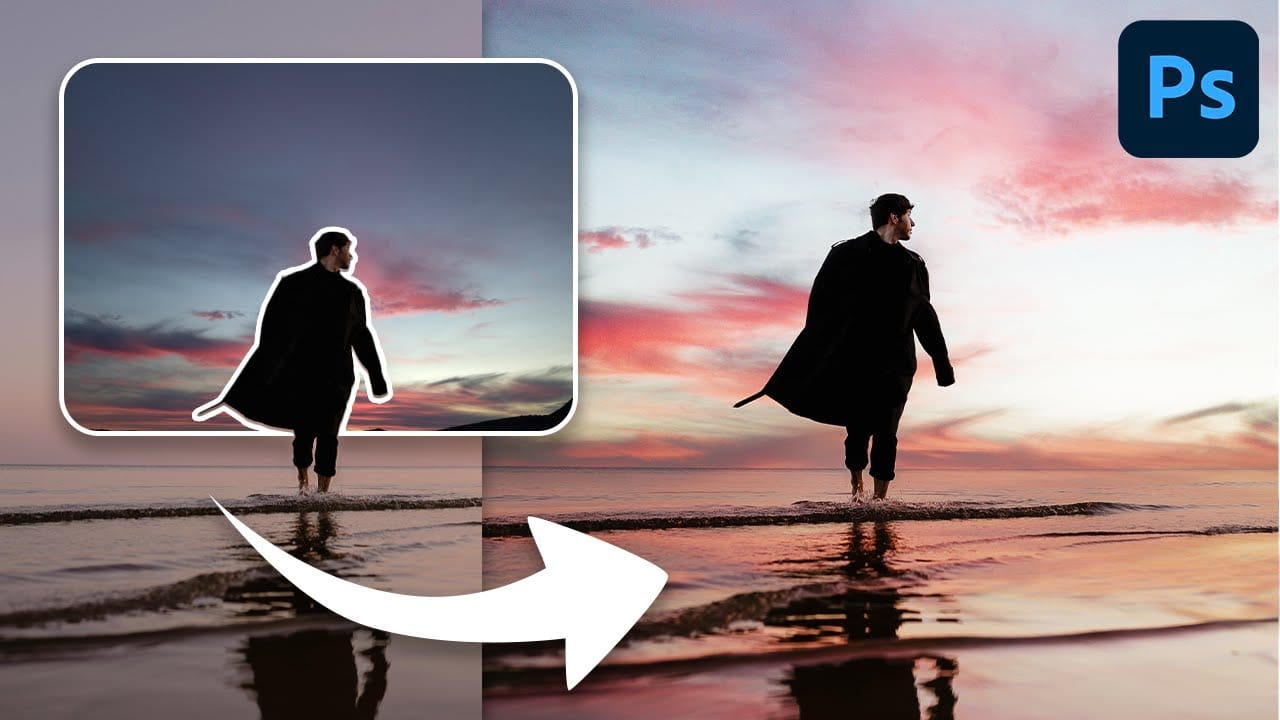
How To Easily Change The Sky In Photoshop
Transforming the mood and visual impact of a photograph often begins with its sky. A drab or overexposed sky can diminish the overall appeal of an otherwise great image, leaving it feeling flat or uninspired. Replacing the sky can dramatically enhance the scene, introducing vibrant colors, dramatic clouds, or a serene atmosphere. This tutorial provides a straightforward method for updating skies in Photoshop, allowing creators to effortlessly blend new atmospheric elements into their photos. It
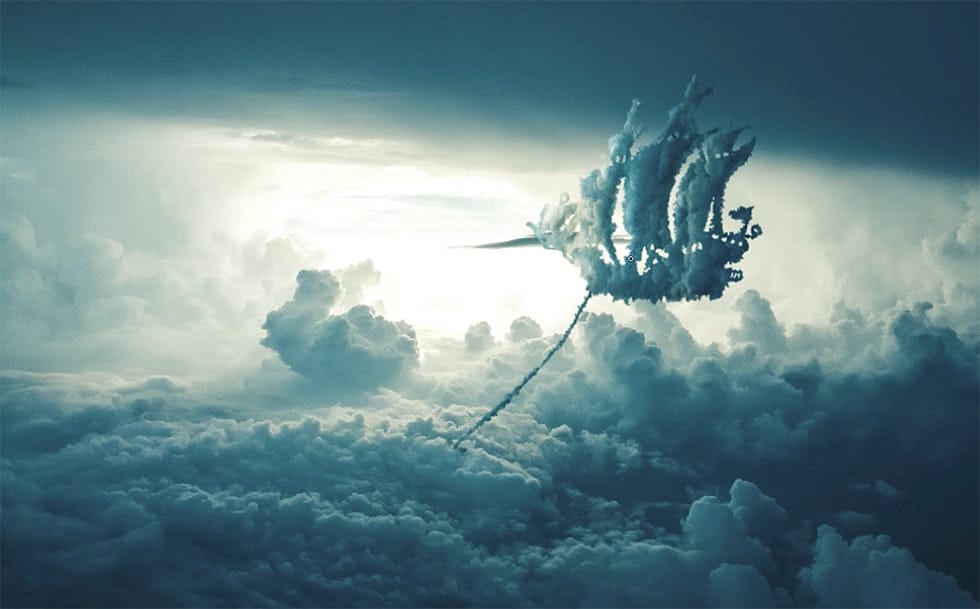
How to Create Any Cloud Shape in Photoshop
Nemanja Sekulic, a talented Serbian artist, shares a captivating tutorial on how to create any cloud shape in Photoshop. As a child, the artist reminisces about the joy of searching the sky for hidden shapes in the clouds. Now, with the power of photo retouching, Sekulic invites readers to bring those nostalgic moments back to life on their computer screens. In this tutorial, Sekulic guides readers through the process of crafting any cloud shape they desire. By harnessing the tools and techniqu
Create colorful dramatic skies with a simple blending trick in Photoshop
In this Photoshop tutorial by Unmesh Dinda from PiXimperfect you will learn how to extract amazing details from the sky, bring out the clouds, and add brilliant colors just using the Blend If sliders in Photoshop. Learn how to add drama, mood, and details to your skies by utilizing the power of Blending Options, Blend Modes, and Layers. In this video, we will simply paint the sky with the colors we desire and the details will simply follow. Whether you want to add the colorful sunset lights or
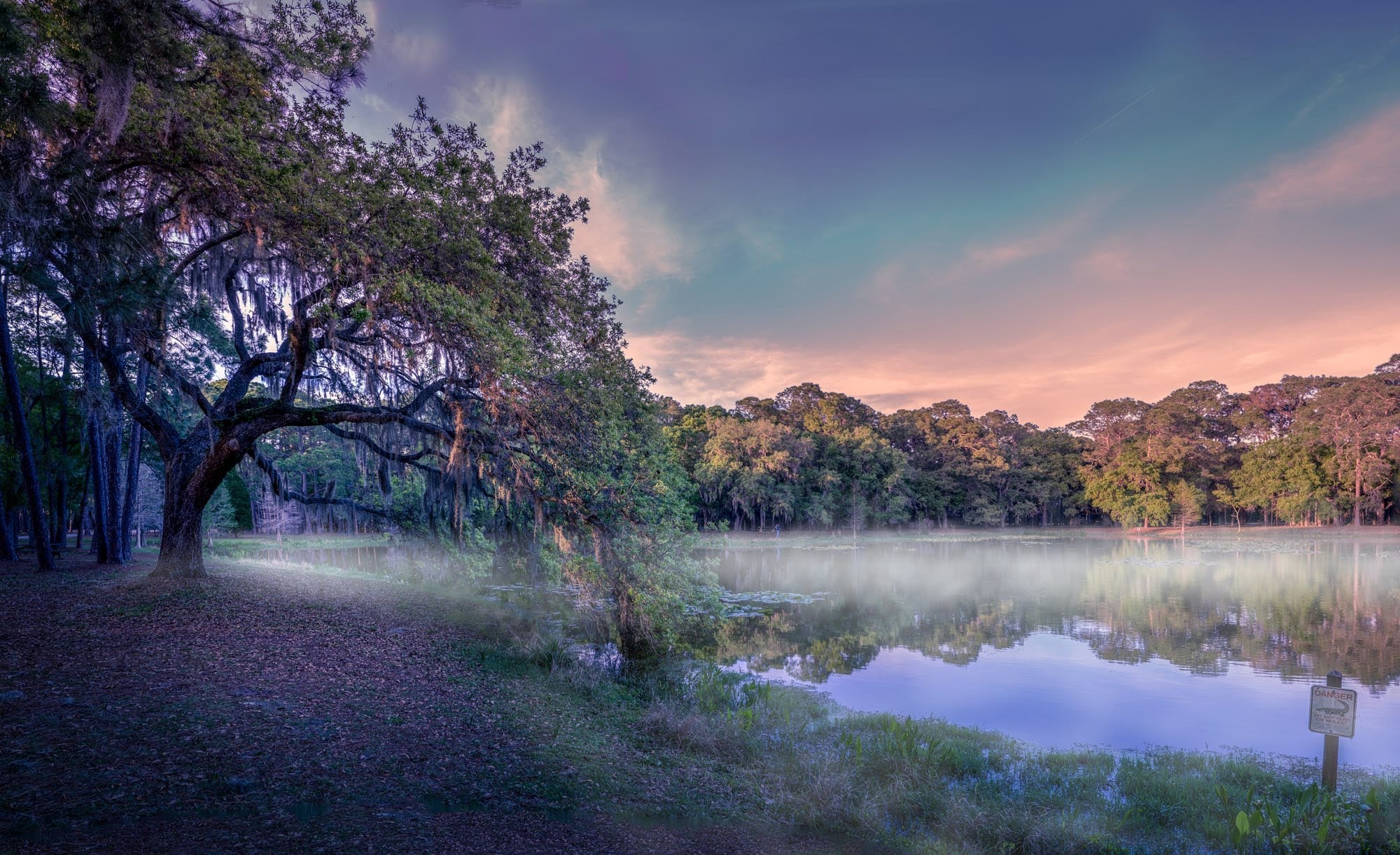
Add fog and mist to a photo in Photoshop
This tutorial by Serge Ramelli will show you how to add fog and mist to your landscape photos using Photoshop. It's a simple process that can be applied to a wide range of images. The steps are straightforward and easy to follow. You'll learn how to create a layer of fog or mist and adjust its opacity and blending mode to achieve the desired effect. This technique can help add depth and atmosphere to your photos, transforming a flat landscape into a more moody and evocative scene. Whether you'

Get tutorials & freebies delivered to you.

Subscribe to the Photoshop Roadmap newsletter, a weekly roundup of new tutorials, insights and quality downloads, trusted by 6500+ readers.

You might also like

When to Use Saturation vs Vibrance for Better Color Enhancement

While vibrance gets praised for being "gentler" than saturation, the reality is more nuanced. Saturation works like a universal volume knob, boosting all colors equally, while vibrance acts like a smart equalizer, selectively enhancing less saturated areas first. Understanding when each approach serves your creative vision makes the...

How to Check Your Generative Fill Credit Balance in Photoshop

Keeping track of your AI credit usage becomes essential when working with premium generative features. Understanding your remaining balance helps you budget your edits and avoid unexpected interruptions during important projects. The credit system divides features into standard tools (like basic generative fill) that don't consume credits, and...

How to Create Realistic Depth Blur Effects in Photoshop

Creating professional depth of field effects can transform flat images into dynamic photographs with natural-looking focus transitions. Two powerful methods in Photoshop offer different advantages: Neural Filters provide automated depth detection with atmospheric effects like haze, while Camera Raw Filter delivers precise manual control with customizable bokeh shapes. Both techniques...

Three Professional Methods to Fix White Balance in Photoshop

Color casts can ruin even the best photographs, making whites appear yellow, blue, or green instead of neutral. Poor white balance destroys the natural look of your images and creates an unprofessional appearance that's immediately noticeable to viewers. These three techniques provide increasingly precise control over white balance...

Creating Dark Moody Wildlife Photo Edits in Photoshop

Dark, moody wildlife photography transforms ordinary animal portraits into dramatic, atmospheric pieces that capture the mystery and power of nature. This editing approach combines strategic lighting placement, careful color grading, and atmospheric effects to create compelling images that draw viewers into the scene. The workflow begins with essential noise reduction...

How to Create Professional Photo Composites in Photoshop

Creating compelling photo composites requires more than simply placing images together. This comprehensive tutorial demonstrates how to blend multiple elements seamlessly, from matching lighting and color to painting realistic shadows and highlights. The project showcases a dramatic scene inspired by Stranger Things, combining buildings, characters, and atmospheric effects with precise...

You’ve successfully subscribed to Photoshop Roadmap
Welcome back! You’ve successfully signed in.
Great! You’ve successfully signed up.
Success! Your email is updated.
Your link has expired
Success! Check your email for magic link to sign-in.