Create a Colorful Xerox Photocopy Effect in Photoshop

Create a Colorful Xerox Photocopy Effect in Photoshop

The distinctive look of vintage photocopying machines creates a unique aesthetic that blends sharp contrasts with colorful accents. This retro effect transforms ordinary photographs into stylized artwork reminiscent of 1980s design and underground art movements.

This tutorial demonstrates how to recreate that classic xerox appearance using Photoshop's adjustment layers, filters, and blending techniques to achieve authentic-looking photocopy distortion and selective colorization.

Watch the Tutorial

Video by P A N T E R. Any links or downloads mentioned by the creator are available only on YouTube

Understanding the Xerox Aesthetic

The photocopy effect emerged from the limitations and characteristics of early copying machines. These devices produced images with high contrast, textural grain, and occasional color shifts that gave photographs an unmistakably mechanical quality. Artists and designers began embracing these "flaws" as creative elements.

The key visual elements include extreme shadow and highlight adjustments that flatten the tonal range, creating stark black and white areas. The reticulation filter adds the characteristic dotted texture that mimics the halftone patterns of reproduction processes. This combination produces the signature look of documents that have been photocopied multiple times.

Modern recreations focus on three main components: aggressive tonal adjustments, textural overlays, and selective color application. The threshold adjustment plays a crucial role by eliminating midtones and creating the binary contrast typical of photocopying technology.

Essential Tips for Xerox Effects

  • Convert your image to a Smart Object before applying filters to maintain editing flexibility and image quality
  • Use Shadows/Highlights adjustments with high shadow values (around 100) to flatten the tonal range and create the characteristic photocopy contrast
  • Apply the Median noise filter at low settings (1-2 pixels) to reduce fine detail and simulate copy degradation
  • Set the Reticulation filter with high density (20-22) and zero foreground/background levels to create authentic halftone patterns
  • Use Threshold adjustments combined with reduced layer opacity to control the balance between stark contrast and image detail

More Tutorials About Photoshop Effects

Explore additional techniques for creating distinctive visual effects and color treatments in Photoshop.
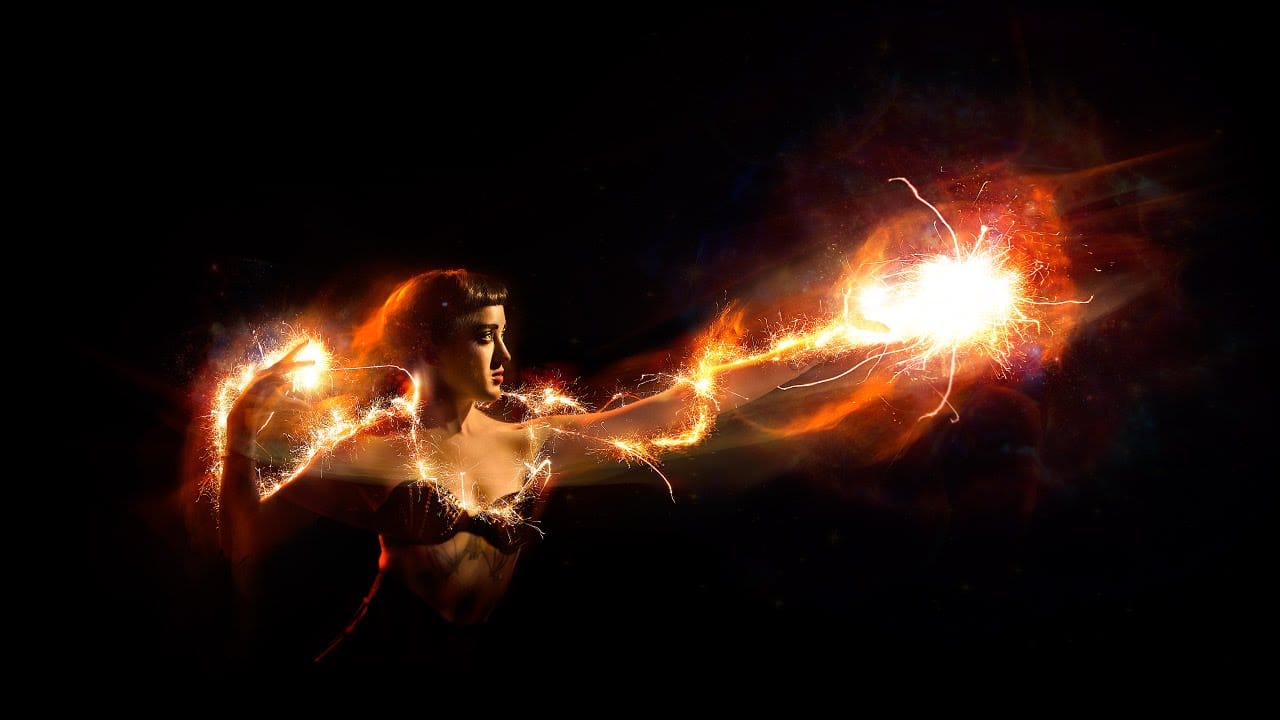

How to Add Special Effects in Photoshop
This video tutorial by PHLEARN demonstrates how to add special effects in Photoshop using photos from the same photoshoot. Aaron begins with a photo taken for a Fourth of July sale, featuring sparklers around the subject. The tutorial covers the use of blending modes and adjustment layers to create visually striking effects. Throughout the video, viewers are guided on how to group photos, change blending modes, use the move tool for positioning, and apply layer masks to hide unwanted areas. Add
How to Apply Graphics and Change Colors in Photoshop
Integrating graphics and adjusting colors are fundamental skills in Photoshop, enabling designers and artists to transform disparate elements into cohesive visual narratives. From compositing a logo onto a product image to blending text into a scene, mastering these techniques is crucial for achieving professional results. This video demonstrates practical methods for seamlessly applying graphics from one image to another, extracting specific elements like text, and efficiently changing their c
Add creative lights and colors to your image in Photoshop
You're about to learn how to transform your images with creative lights and colors in Photoshop. This tutorial will guide you through the process of adding vibrant hues and eye-catching effects to your photographs. First, you'll explore the use of gradients and brushes to enhance your image. These tools will allow you to layer different colors and luminous accents, creating a visually striking result. With a few simple steps, you'll be able to turn your ordinary image into an impressive work of
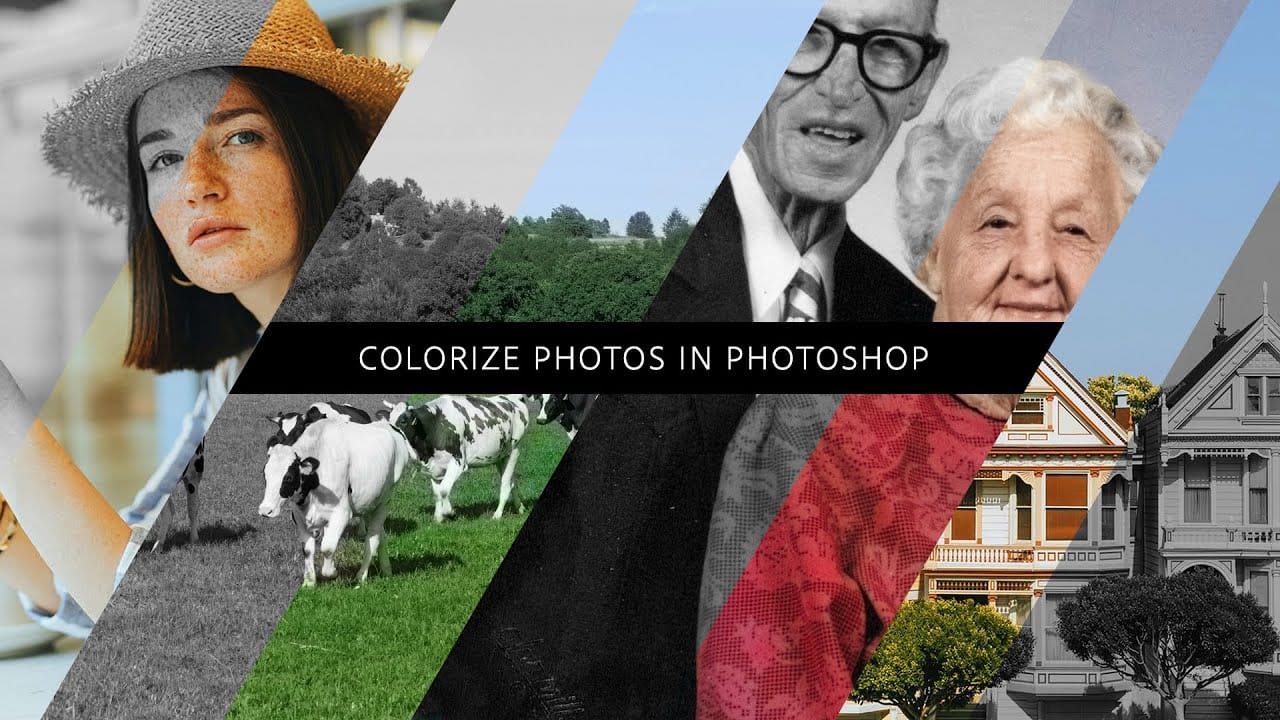
How to colorize photos in Photoshop
In this episode, Adobe Evangelist Paul Trani demonstrates how to instantly colorize photos in Photoshop using the new Neural Filters. This feature allows you to bring new life to black-and-white images, from landscapes to your old family photos, with just a few clicks. Paul walks you through the process of accessing and applying the Neural Filters to your photos. You'll learn how these advanced filters use artificial intelligence to analyze your image and apply realistic colorization based on t

Get tutorials & freebies delivered to you.

Subscribe to the Photoshop Roadmap newsletter, a weekly roundup of new tutorials, insights and quality downloads, trusted by 6500+ readers.

You might also like

Create Realistic Rim Light Effects on Portraits in Photoshop

Rim lighting transforms ordinary portraits into dramatic, professional-looking images by adding bright highlights around the edges of your subject. This technique simulates light hitting the outer contours of a person, making them stand out from their background with a natural, glowing effect. The key to convincing rim light lies...

How to Use Photoshop's Layer Cleanup Tool to Organize Messy Projects

Complex editing projects with Generative Fill and Expand often result in dozens of unnamed layers cluttering your workspace. The new Layer Cleanup tool automates the tedious process of renaming layers and removing empty ones, transforming chaotic layer panels into organized, manageable structures. This workflow improvement saves significant time during post-...

How to Use Curves for Composite Color Matching in Photoshop

Curves adjustments are essential for making composite elements look natural and cohesive. Understanding how curves manipulate light values and color channels gives you precise control over matching different elements to their new backgrounds. The key to successful color matching lies in analyzing the color temperature and brightness relationships between your...

How to Fix Color Fringing in Subject Cutouts Using Clipping Masks

Perfect layer masks can still produce disappointing results when color fringing appears around hair and fur edges. This common problem isn't caused by poor masking technique—it's the original background bleeding through at the edges. Clipping masks offer a powerful solution by allowing you to paint...

Create Beautiful Floral Oval Frames for Portraits in Photoshop

Transform ordinary portraits into elegant artwork with decorative floral oval frames that blend seamlessly with your subject. This technique combines traditional framing with digital floral elements, creating a painterly effect that's perfect for fine art prints and creative portraits. The process involves creating an oval cutout, adding custom...

You’ve successfully subscribed to Photoshop Roadmap
Welcome back! You’ve successfully signed in.
Great! You’ve successfully signed up.
Success! Your email is updated.
Your link has expired
Success! Check your email for magic link to sign-in.