Create a Typographic Portrait in Photoshop

Create a Typographic Portrait in Photoshop

This tutorial explores a creative method for transforming a standard photographic portrait into a unique work of art composed entirely of text. It demonstrates how to combine typography with image manipulation to create a visually compelling and personalized artistic statement.

Viewers will learn how to prepare an image, generate and integrate custom text, and apply advanced Photoshop techniques like displacement mapping to achieve a stunning, text-based artwork that subtly conforms to the contours of a face.

Watch the Video

Video by Blue Lightning. Any links or downloads mentioned by the creator are available only on YouTube

Understanding Text as Visual Art

Typographic portraits transform written language from a mere conveyor of meaning into a dynamic visual component. This artistic approach allows words to sculpt forms, define contours, and convey a subject's essence through the very text associated with them. By manipulating font, size, and arrangement, artists can create images that are both textual and illustrative.

The technique presented in this tutorial leverages this concept by using words to define the subtle curves and features of a face. This method relies on principles such as:

  • Displacement mapping: Distorting one image based on the tonal values of another.
  • Layer blending: Combining visual information from multiple layers to create a unified effect.

These elements contribute to the illusion that the text is physically wrapped around the subject's form, adding depth and realism to the portrait.

Practical Tips for Creating Text Portraits

  • Prepare a Displacement Map from your subject's desaturated image by applying a Gaussian Blur and saving it as a PSD file.
  • Refine selections around intricate areas like hair using the Refine Edge feature for cleaner edges.
  • Utilize online tools such as Wordle.net to efficiently generate word clouds from your chosen text, ensuring variety in word prominence.
  • Group multiple text layers into a Smart Object before applying the Displace filter to maintain editability and flexibility.
  • Experiment with text block rotation and sizing to ensure comprehensive coverage and natural flow across the subject's face.

More Tutorials about Photoshop Portrait Effects

Explore additional creative techniques to enhance and transform portraits using Photoshop.
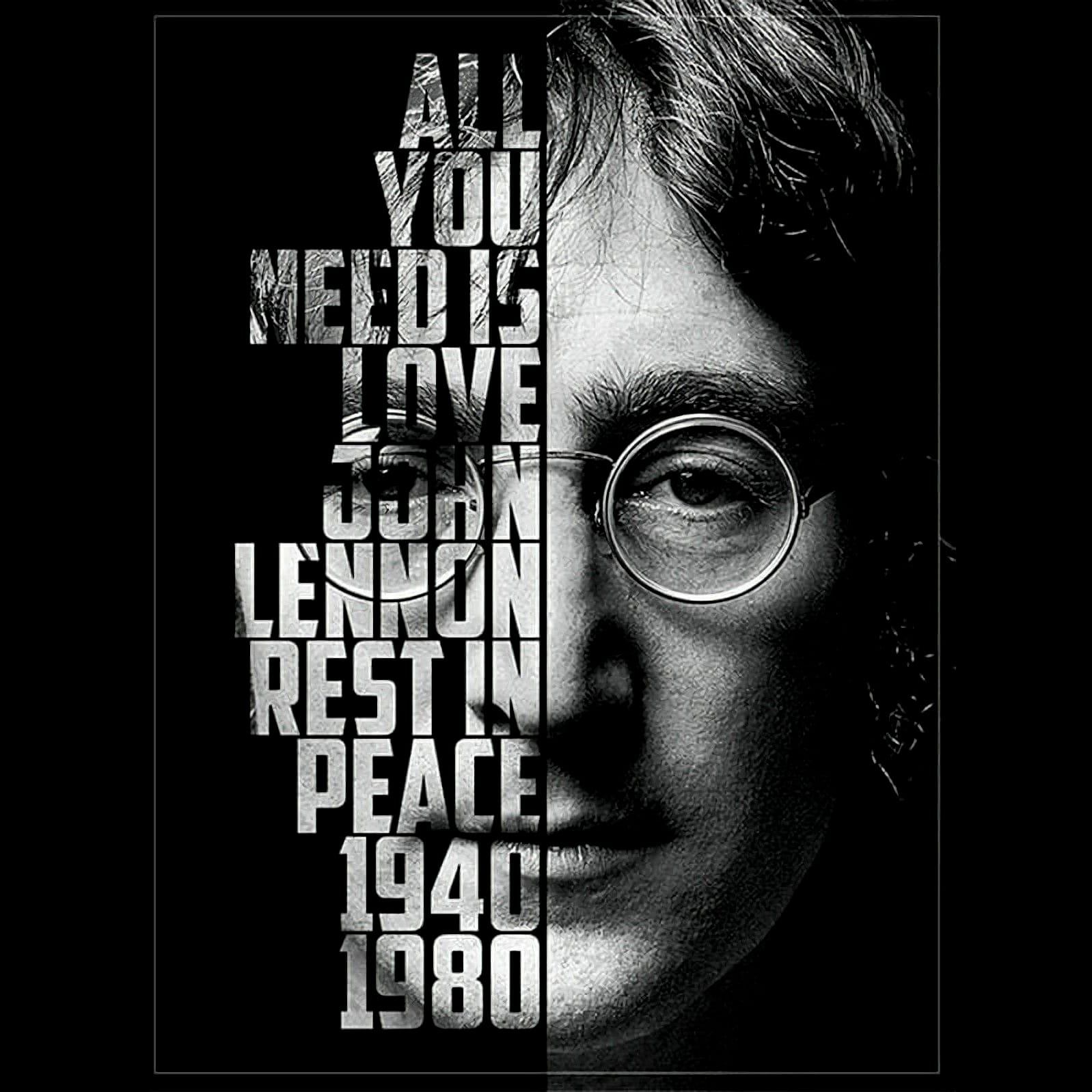
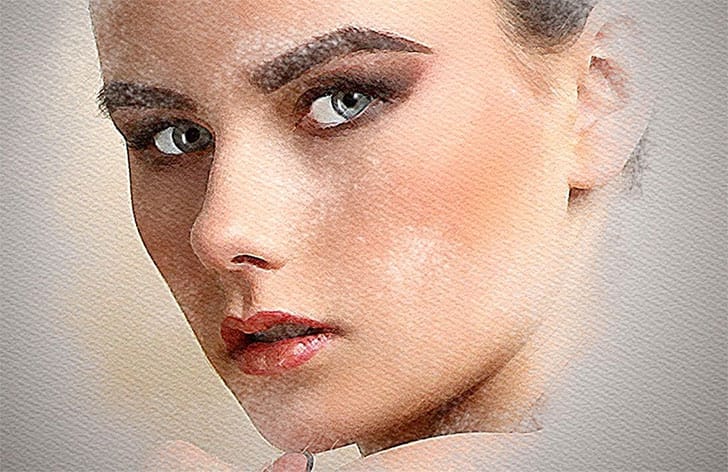
Create a cool text portrait in Photoshop
Creating a text portrait in Photoshop is a sophisticated blend of photography and typography. In this tutorial by Marty from Blue Lightning TV, you'll learn how to transform a standard photo into a powerful typographic portrait. Starting with an optimal photo choice, Marty guides you through desaturating the image, refining the subject's edges, and setting up a new document. The tutorial then delves into the core process of integrating text, adjusting brightness and contrast for maximum impact,
Transform a face into a creative mixed media portrait
In this Photoshop tutorial by Marty Geller from Blue Lightning TV you will learn how to create the look of a mixed media portrait from a photo and how to replace your subject without having to redo the effects. Marty will guide you through all the steps required to create a beautiful artistic portrait effect, and also turn it into a template you can reuse by just adding other photos and getting the same results. Watch tutorial
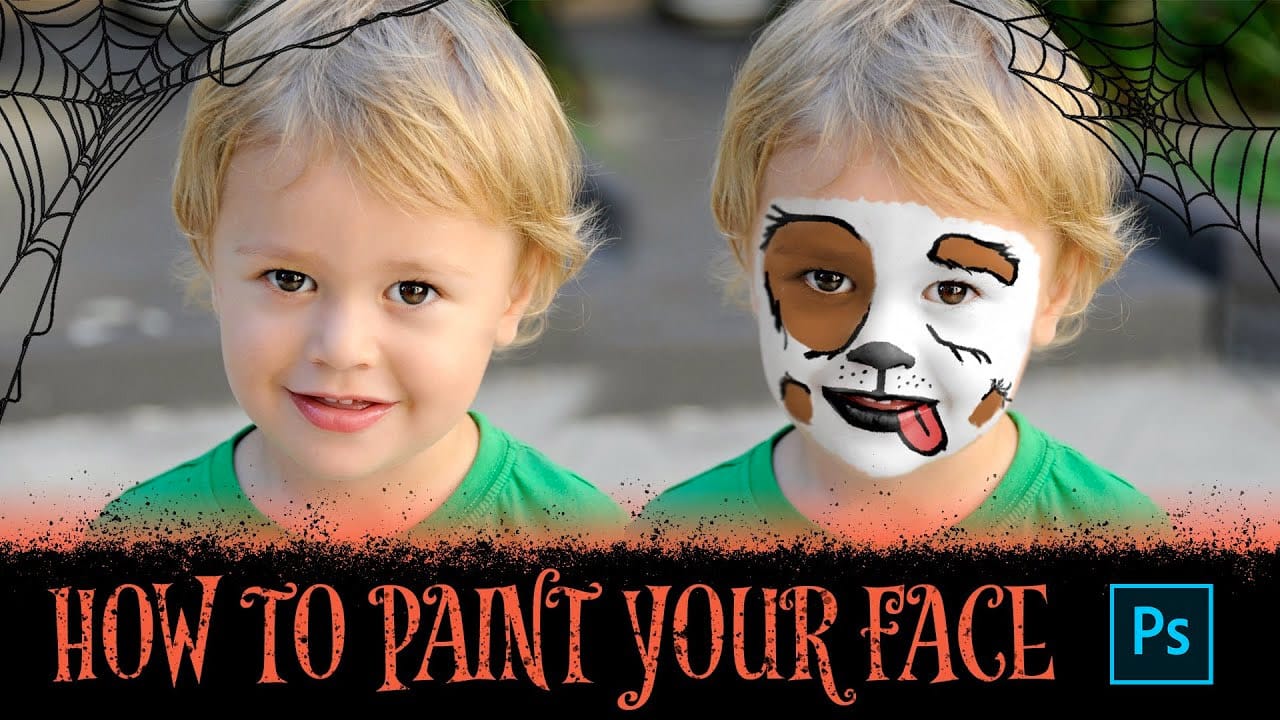
How to Paint Your Face in Photoshop
This exciting tutorial by PHLEARN dives into the world of digital face paint. Learn how to utilize a custom face paint brush (potentially included in the video) and Adjustment Layers to create vibrant and realistic designs, perfect for both adorable Halloween looks or spooky transformations. The video will guide you through the process, allowing you to unleash your creativity and design unique face paint effects for any project. Watch tutorial
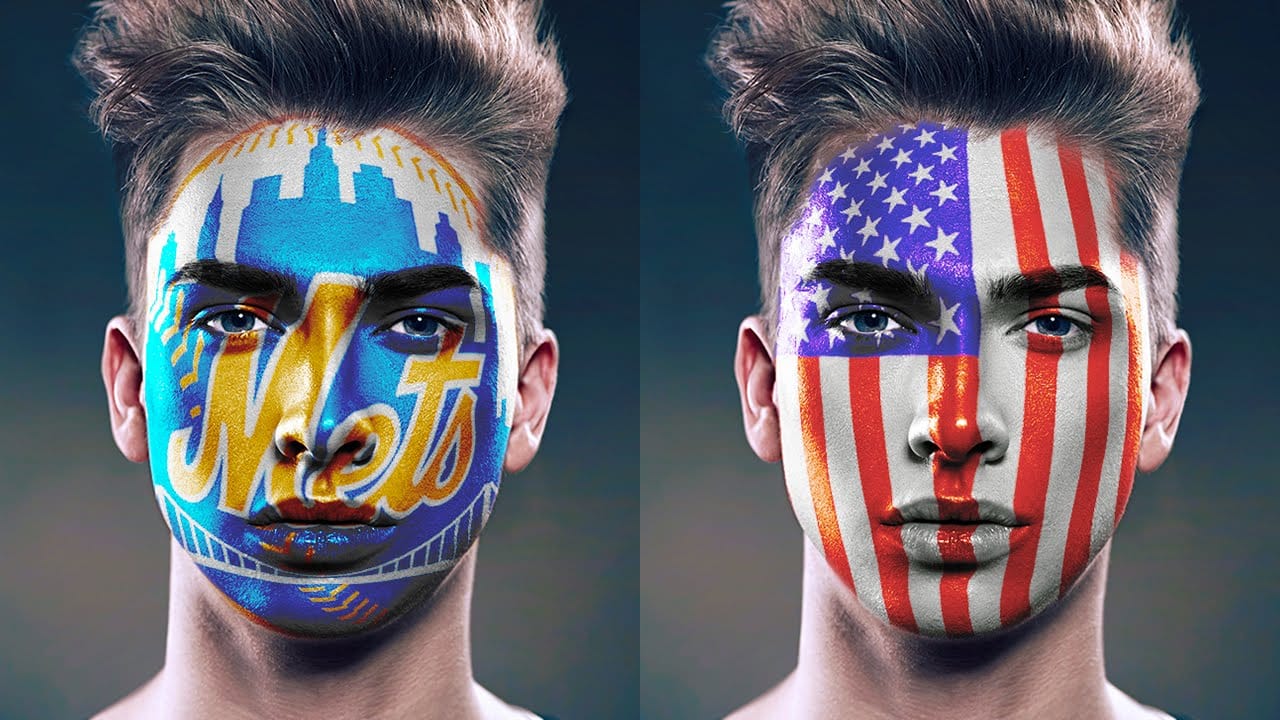
How to Paint Graphics onto a Face in Photoshop
This video, by Marty from Blue Lightning TV, will teach you a technique for painting images onto someone's face in Photoshop. The introduction walks you through the initial setup: opening the images you'll be working with, including a portrait and the graphic you want to paint onto the face. Then, it covers how to convert your subject into a smart object and create a duplicate layer. The next steps involve blurring the duplicated layer and converting it to black and white. After that, you'll le

Get tutorials & freebies delivered to you.

Subscribe to the Photoshop Roadmap newsletter, a weekly roundup of new tutorials, insights and quality downloads, trusted by 6500+ readers.

You might also like

How to Use the Automatic Blemish Removal Tool in Adobe Camera Raw

Adobe Camera Raw's blemish removal tool scans a portrait and cleans skin imperfections in seconds, without any manual selection. The workflow stays entirely non-destructive when the layer is converted to a smart object first, and a fade slider lets you control how much retouching is actually applied...

How to Use a Grey Layer to Spot and Fix Mask Edges in Photoshop

Edge halos and stray artifacts are easy to miss when masking a subject, especially with AI-generated selections. Placing a neutral grey layer beneath your masked subject forces those problem areas into plain view, making cleanup faster and more precise. Practical Tips These steps cover the core workflow shown in...

How to Use the Light Adjustment Layer in Photoshop Effectively

Photoshop's Light adjustment layer brings Camera Raw-style tonal controls — exposure, contrast, highlights, shadows, whites, and blacks — directly into a non-destructive layer workflow. The real value isn't in what the sliders do individually, but in how you sequence them to expand dynamic range and reveal...

Photoshop’s Big 5: The Features That Actually Mattered This Year So Far

Photoshop updates land continuously throughout the year, but not every new addition reshapes how we actually work. While some releases bring minor UI polish or experimental tools, a handful of recent additions stand out as genuine upgrades to daily creative production. Rather than sifting through endless release notes, here is...

How to Use the Vectorscope in Camera Raw to Correct Skin Tones

Monitors vary, room lighting shifts, and your eyes adapt — none of which makes for reliable skin tone judgments. Camera Raw's vectorscope gives you a measurement-based alternative, displaying hue and saturation data visually so you can align skin tones to a scientifically accurate target line, regardless of your...

You’ve successfully subscribed to Photoshop Roadmap
Welcome back! You’ve successfully signed in.
Great! You’ve successfully signed up.
Success! Your email is updated.
Your link has expired
Success! Check your email for magic link to sign-in.