Creating a 3D Glowing Text Effect in Photoshop

Creating a 3D Glowing Text Effect in Photoshop

Adding depth and luminosity to text can transform a simple design into something visually striking. The combination of 3D extrusion and glow effects creates text that appears to leap off the page, making it perfect for logos, headers, and eye-catching graphics.

This tutorial demonstrates how to build a complete 3D text effect with glowing elements using Smart Objects and layer effects. The technique covers everything from creating dimensional text to applying multiple glow layers for enhanced visual impact.

Watch the Tutorial

Any links or downloads mentioned by the creator are available only on YouTube

Understanding 3D Text Effects in Photoshop

Creating convincing 3D text requires understanding how depth, lighting, and color work together. Unlike true 3D modeling software, Photoshop achieves dimensional effects through layer duplication and strategic positioning. This approach gives designers precise control over every aspect of the text appearance.

The glow effect adds another layer of complexity by simulating how light interacts with surfaces. Multiple glow layers at different intensities create the illusion of depth and atmosphere around the text. The key elements include:

  • Extrusion depth through layer positioning
  • Surface lighting with bevel and emboss effects
  • Atmospheric glow through blur and blend modes
  • Color harmony between text and background elements

Smart Objects play a crucial role in this workflow by maintaining text editability throughout the process. This means the entire effect can be updated simply by changing the original text, making the technique highly practical for client work and design iterations.

Practical Tips for 3D Glow Effects

  • Use Smart Objects for text to maintain editability throughout the entire process and easily swap content later
  • Build extrusion gradually using the transform repeat shortcut (Ctrl+Shift+Alt+T) rather than creating too many layers at once
  • Balance glow intensity by using multiple blur layers at different opacities instead of one strong effect
  • Match colors strategically by making the extrusion darker than the main text and the glow lighter than both
  • Test different blend modes like Linear Dodge and Screen for glow effects to find what works best with your color scheme

More Tutorials about 3D Text Effects

Explore additional techniques for creating dimensional text and lighting effects in Photoshop.

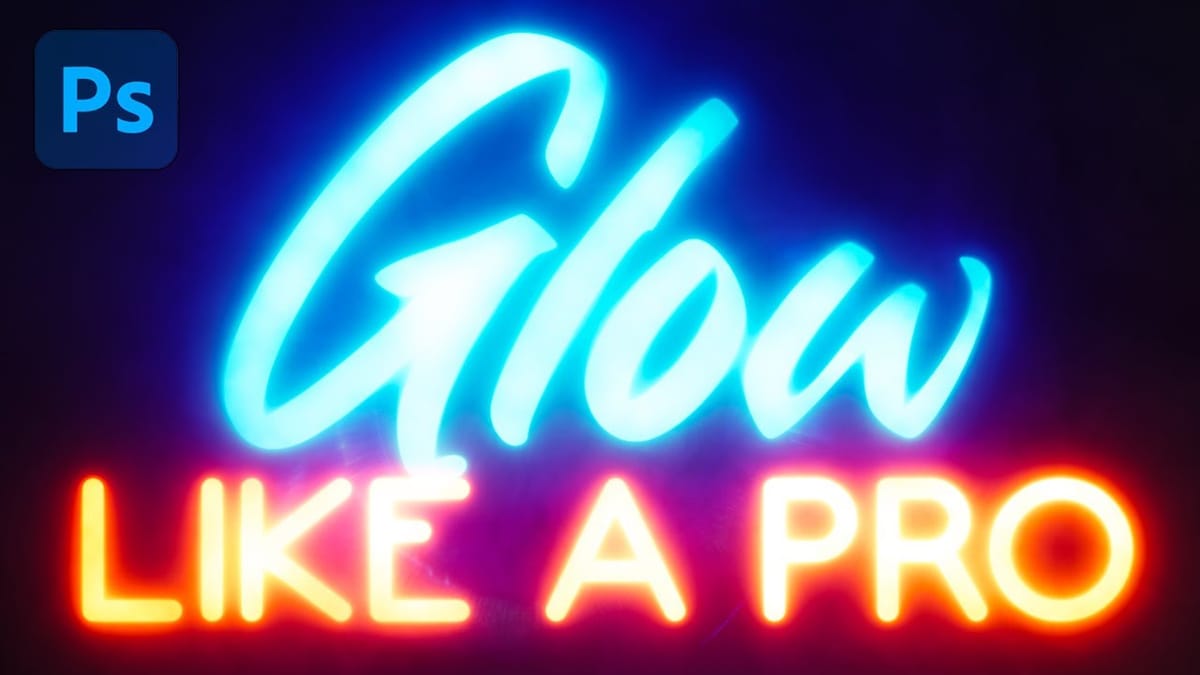
Glowing Text Effect in Photoshop
Looking for an alternative to the flat-looking Outer Glow Effect in Photoshop? In this tutorial, we’ll check out a simple technique that generates awesome results to create a more realistic glow for text and logos. Be sure to try out the same technique to make your photographs glow as well! Download free fog and lens […] More
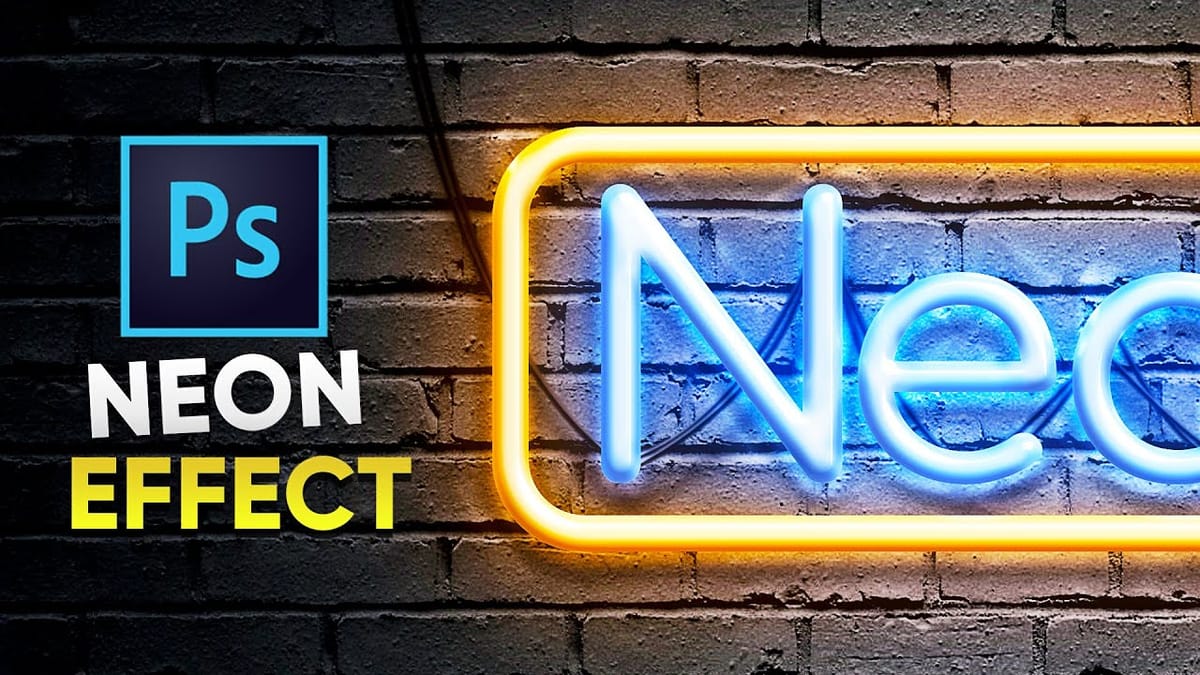
Create a Realistic Neon Sign Text Effect in Photoshop
In this neon effect Photoshop tutorial, you’ll learn how to make a neon effect, sign, light using only Smart Objects in Photoshop.at the end of the tutorial, you will be able to create a very realistic & colorful Neon text effect Mockup which can be reused again and again to re-apply the complete neon effect […] More
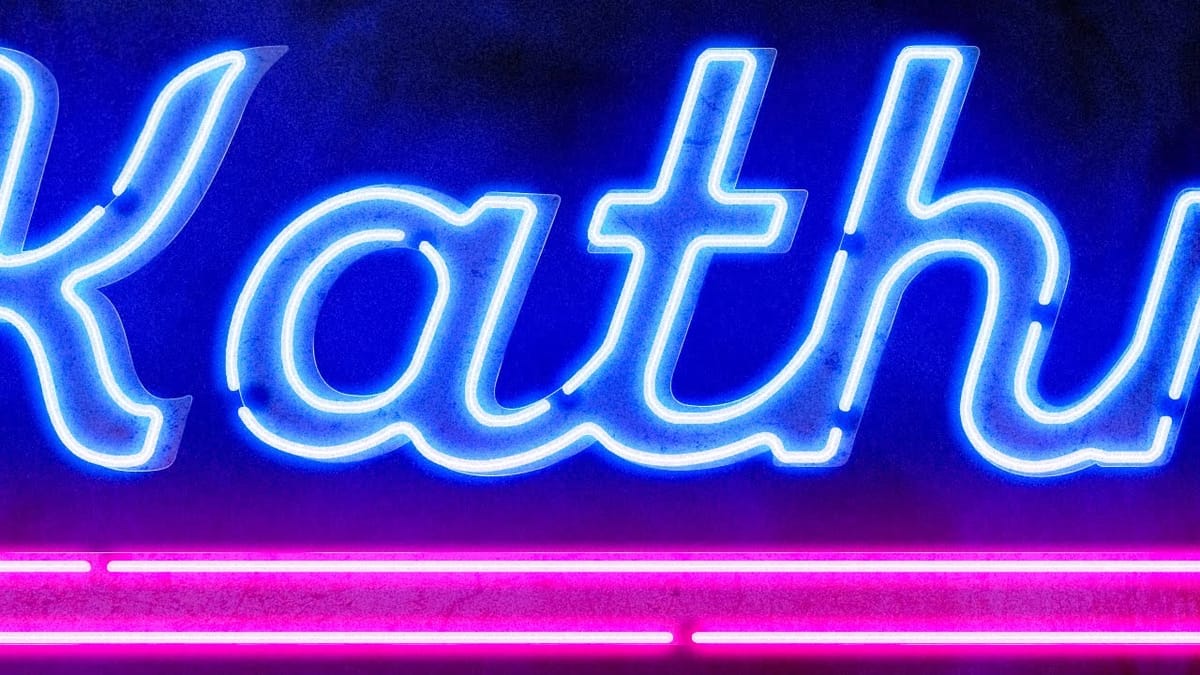
Create a Realistic Neon Text Effect in Photoshop
Learn how to create an amazing realistic neon text effect in a few easy steps using Adobe Photoshop.

Get tutorials & freebies delivered to you.

Subscribe to the Photoshop Roadmap newsletter, a weekly roundup of new tutorials, insights and quality downloads, trusted by 6500+ readers.

You might also like

Painting Digital Art Backgrounds: Techniques and Workflow

A well-crafted background can anchor an entire digital painting, providing atmosphere, depth, and visual context for the subject. This video demonstrates practical approaches to building backgrounds from scratch using digital tools, covering brush selection, color layering, and compositional thinking. Watch the Video Practical Tips Keep these core principles in...

How to Use the Light Adjustment Layer in Photoshop

Photoshop's new Light adjustment layer brings Camera Raw controls — exposure, contrast, highlights, shadows, whites, and blacks — directly into the layers panel as a fully non-destructive, maskable layer. This means you can stack multiple light adjustments, target specific subjects, and combine them with Blend If and other adjustment...

How to Use Object Selection, Remove Background, and the Selection Brush in Photoshop

Selections determine the quality and flexibility of almost every edit you make in Photoshop. Three modern tools — the Object Selection tool, Remove Background with Harmonize, and the Selection Brush — handle the most common selection tasks with far less manual effort, while keeping your original image intact through non-destructive layers....

How to Paint a Digital Background and Composite Wildlife Into It

Building a painted digital background from scratch gives you full control over color, mood, and composition before a single wildlife photo is placed. This walkthrough covers the complete process: blocking in shadows on a black canvas, layering foliage with textured brushes, positioning bird subjects on hand-painted stones, and using...

How to Sharpen Skin Texture Using Frequency Separation in Photoshop

Retouched skin can look great up close but lose all its natural texture the moment you zoom out. Rather than relying on standard sharpening filters, you can recover that texture by duplicating the high-frequency layer inside a frequency separation setup — a method that works whether or not you'...

You’ve successfully subscribed to Photoshop Roadmap
Welcome back! You’ve successfully signed in.
Great! You’ve successfully signed up.
Success! Your email is updated.
Your link has expired
Success! Check your email for magic link to sign-in.