Designing 1980s Vintage Illustrated Tees in Photoshop

Designing 1980s Vintage Illustrated Tees in Photoshop

Creating authentic vintage t-shirt designs that capture the raw energy of 1980s screen printing presents a unique challenge. Modern digital tools often produce overly smooth, polished results that lack the gritty charm and technical constraints that defined the golden age of rock and roll merchandise.

This tutorial demonstrates how to recreate authentic 80s screen print aesthetics using Photoshop's hard mix blending mode, limited color palettes, and anti-aliasing restrictions. These techniques help designers understand the physical constraints of vintage screen printing while developing practical skills for retro merchandise design.

Watch the Tutorial

Any links or downloads mentioned by the creator are available only on YouTube

Understanding Screen Print Limitations in Design

The distinctive look of 1980s screen printed t-shirts emerged from technical constraints rather than artistic choice. Screen printing requires **separate screens for each color**, making complex color blends expensive and impractical. This limitation forced designers to work with restricted palettes, creating the bold, high-contrast aesthetics that define the era.

The hard mix blending mode in Photoshop naturally recreates these constraints by eliminating gradual color transitions. When combined with specific color values, this technique forces images into distinct tonal areas that mirror the separation process used in traditional screen printing. The result captures the authentic grittiness that made vintage band merchandise so visually striking.

Professional screen printers of the 1980s developed creative workarounds for technical limitations, including:

  • Using halftone patterns to simulate gradients
  • Layering transparent inks to create new colors
  • Embracing registration errors as design elements
  • Working with high-contrast imagery that reproduced well

Practical Tips for Vintage Screen Print Effects

  • Limit your palette to six colors maximum — including black and white — to maintain authentic screen print constraints and visual impact.
  • Use the pencil tool instead of brush tool when working with layer masks to avoid anti-aliasing and maintain crisp color separations.
  • Apply shadows and highlights adjustments twice to flatten image contrast and create the high-contrast look typical of vintage screen prints.
  • Convert image layers to smart objects before applying filters so you can adjust settings while maintaining the four-value tonal structure.
  • Use blend-if sliders to target specific gray values when replacing tones with colors — this ensures precise color mapping without affecting other areas.

More Tutorials About Vintage Design Effects

Explore additional techniques for creating retro and vintage aesthetics in Photoshop.

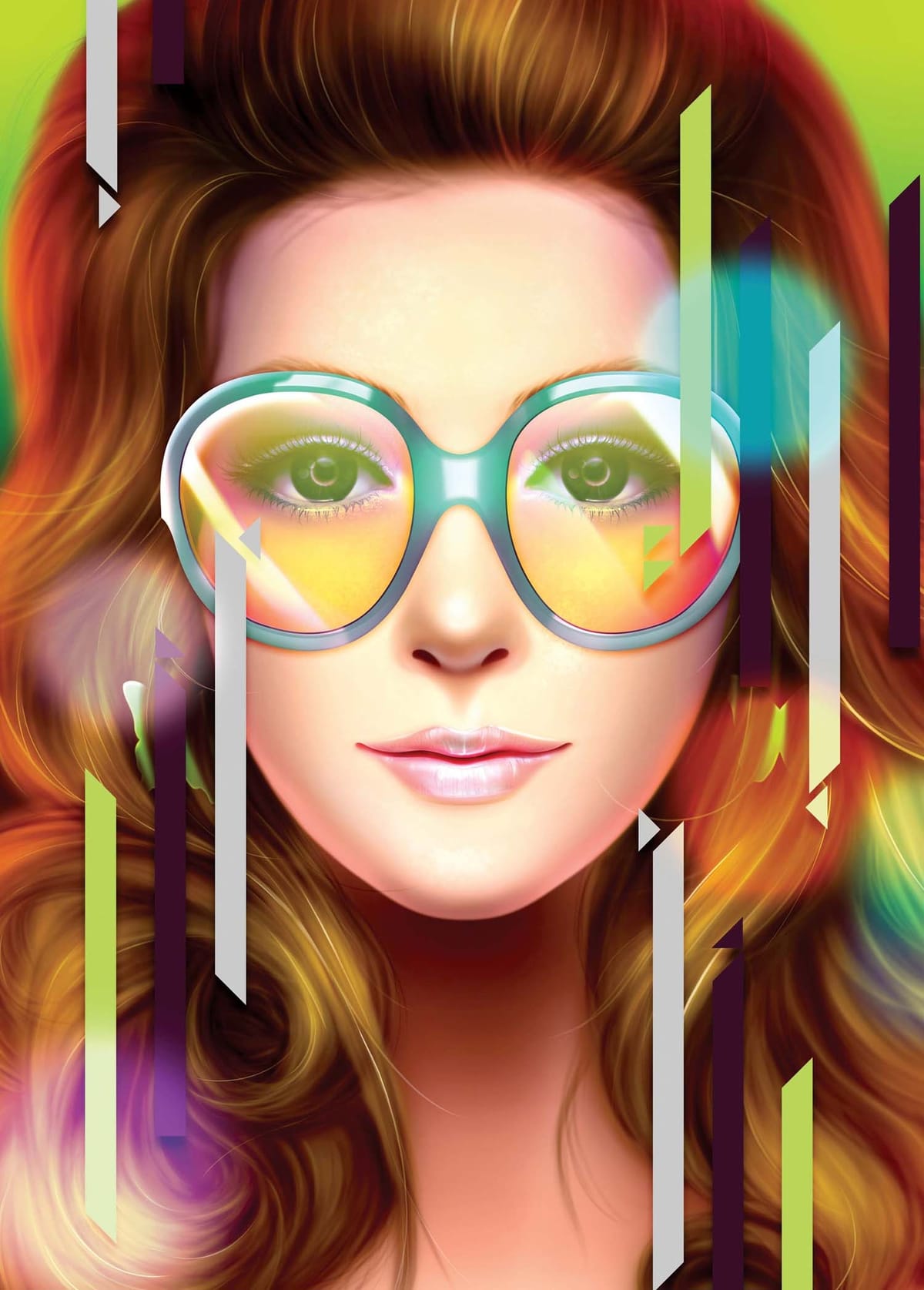
Create an 80s style airbrush illustration in Photoshop
Want to create a beautiful, dreamlike painting full of subtle details but with a bold 80s colour scheme? Design duo KittoZutto show you how in this tutorial on creating an airbrushed portrait tapping the glory days of Athena posters. Process preview Read more at Digital Arts Online… More
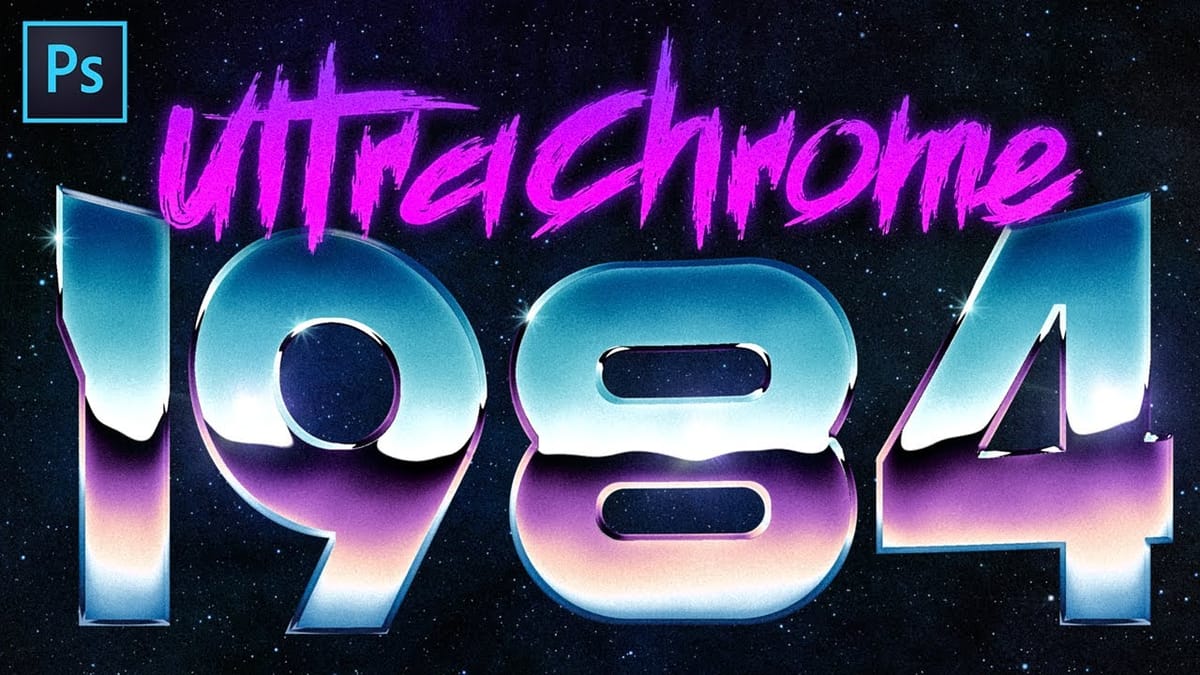
Create Super Rad 80’s Chrome in Photoshop
Create hyper-stylized 1980’s chrome text and logos with versatile techniques in Adobe Photoshop. This tutorial by Texturelabs covers the basic process of setting up a chrome reflection that can be customized for various looks. You’ll learn how to achieve hyper-realistic details to give your images a rad, retro vibe.
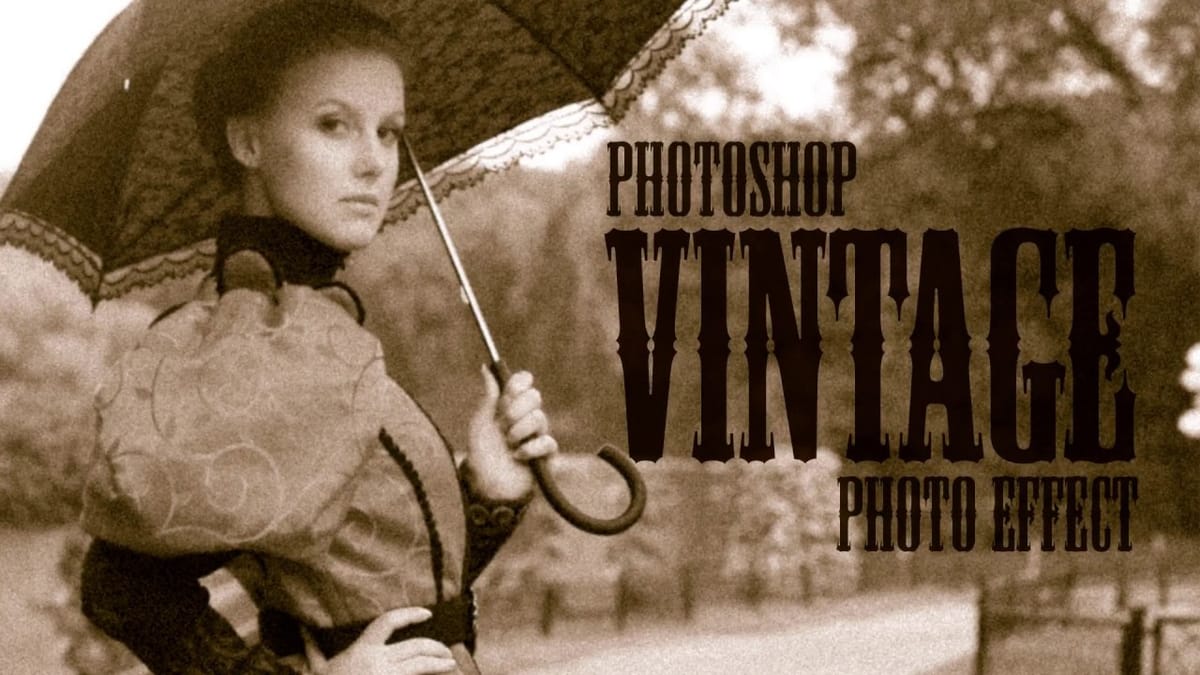
Create a realistic old vintage photo effect in Photoshop
Photographs are timeless. In fact, it’s often our old, weathered and faded photographs that we treasure the most. Snapshots from a bygone era fill our hearts with nostalgia and romantic notions of how much simpler life must have been. While today’s digital cameras continue to amaze us with their technology, there’s still something magical and […] More

Get tutorials & freebies delivered to you.

Subscribe to the Photoshop Roadmap newsletter, a weekly roundup of new tutorials, insights and quality downloads, trusted by 6500+ readers.

You might also like

How to Create Circle Cropped Photos with Transparent Backgrounds in Photoshop

Circular cropping transforms standard photographs into clean, professional profile images perfect for websites, social media, and presentations. The frame tool method creates non-destructive crops with transparent backgrounds that export seamlessly across different platforms. This streamlined workflow eliminates the need for complex selections or masks while maintaining full control over image...

How to Use Generative Upscale to Restore and Enhance Low-Resolution Images in Photoshop

Low-resolution images often limit your creative projects, especially when you need sharp prints or high-quality displays. Photoshop's Generative Upscale feature transforms small, pixelated photos into crisp, detailed images using AI-powered enhancement. This tool offers three distinct AI models, each designed for specific image types—from landscapes and portraits...

How to Use Harmonize to Automatically Match Lighting in Photoshop Composites

Creating seamless composites traditionally requires hours of manual color correction and lighting adjustments. The new Harmonize tool changes this by automatically analyzing your background and matching your subject's lighting, shadows, and color tones with a single click. This AI-powered feature eliminates the need for complex adjustment layers and...

How to Use Adobe Photoshop in ChatGPT for Photo Editing

Adobe Photoshop is now integrated directly into ChatGPT, allowing you to edit photos using simple text descriptions. This new feature lets you enhance images, apply creative effects, and make targeted adjustments without needing a Photoshop subscription. You can describe what you want to change and fine-tune adjustments using familiar Photoshop...

How to Fix Skin Tones in Photoshop - Complete Guide

Skin tones can make or break a portrait, yet color casts and uneven lighting often leave subjects looking unnatural or flat. Whether dealing with mixed lighting conditions, camera white balance issues, or post-processing mishaps, getting skin colors right requires a systematic approach that works consistently across different scenarios. This comprehensive...

You’ve successfully subscribed to Photoshop Roadmap
Welcome back! You’ve successfully signed in.
Great! You’ve successfully signed up.
Success! Your email is updated.
Your link has expired
Success! Check your email for magic link to sign-in.