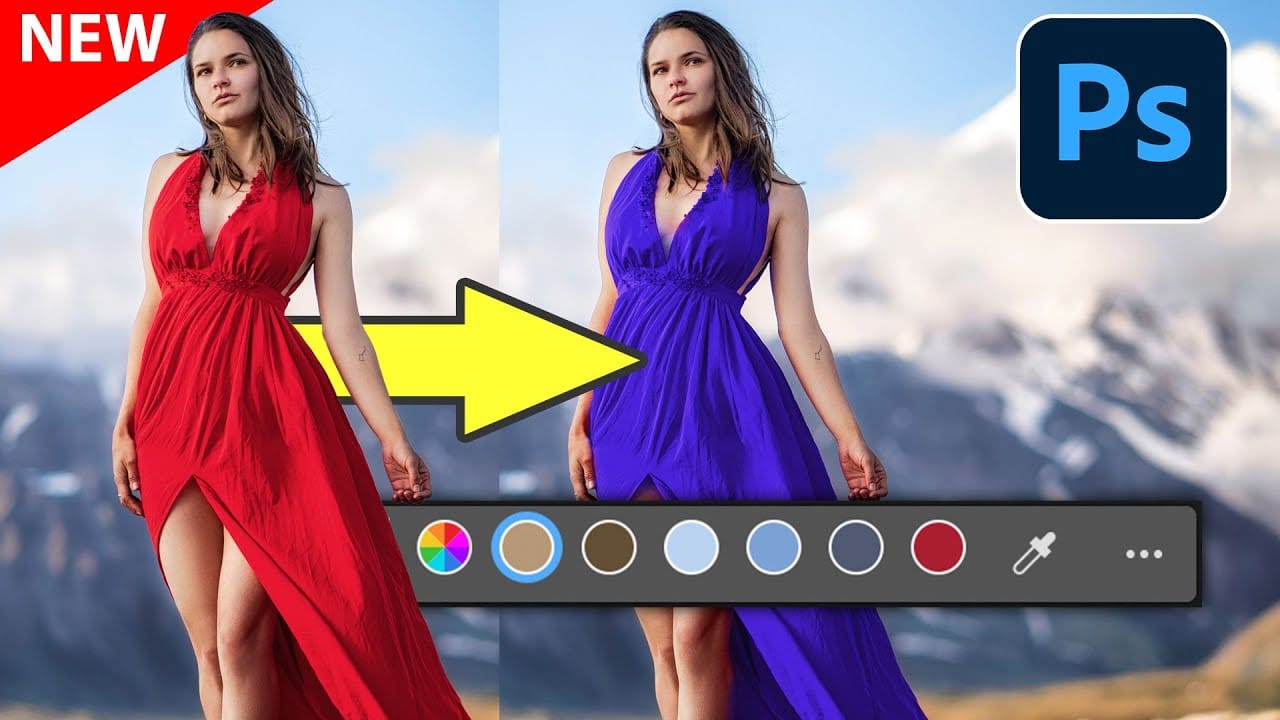
New Select Body Parts Feature in Photoshop

New Select Body Parts Feature in Photoshop

Achieving precise selections is fundamental to professional photo editing, enabling targeted adjustments and creative transformations. Traditionally, isolating intricate elements like individual body parts or clothing often required meticulous manual masking, a time-consuming and often challenging process, especially with complex subjects.

This tutorial introduces Photoshop's advanced "Select People" feature, a significant upgrade to the object selection tool. Viewers will learn how this intelligent tool simplifies the isolation of specific body parts and clothing, streamlining workflows for retouching, color adjustments, and enhancing photographic compositions.

Watch the Tutorial: Precision Selections with Select People

Video by PiXimperfect. Any links or downloads mentioned by the creator are available only on YouTube

The Evolution of AI-Powered Selections in Photo Editing

The landscape of image editing has been profoundly reshaped by the integration of artificial intelligence, particularly in the realm of object selection. What began with simpler tools for selecting basic shapes has evolved into sophisticated AI-driven algorithms capable of discerning complex subjects and even their individual components within an image. This progression marks a shift from labor-intensive manual masking to intuitive, automated selection processes.

Features like "Select Subject" in Photoshop laid critical groundwork by enabling quick isolation of primary subjects. The latest advancements, such as the "Select People" feature, push this capability further by offering granular control over specific elements like faces, limbs, or clothing. This level of detail, previously seen in tools like Lightroom and Camera Raw, now integrates seamlessly into Photoshop, signifying a broader trend towards unified, intelligent masking across Adobe’s creative suite. The goal is to dramatically enhance workflow efficiency and open new creative possibilities for photographers and retouchers alike, allowing them to focus more on artistic vision and less on the technicalities of selection.

Practical Tips for Using the Select People Feature

  • Access the feature by installing Photoshop Beta and selecting the Object Selection Tool from the toolbar.
  • Use the "Select People" button in the options bar or hover directly over image areas to auto-detect and select individual body parts or clothing.
  • Leverage options to target specific elements like hair, glasses, mouth, teeth, or upper/lower clothes for precise adjustments.
  • Apply adjustment layers, such as Curves or Solid Color, directly to these precise selections to modify brightness, contrast, or color.
  • Accelerate retouching workflows by using the feature to quickly select facial skin or other specific areas for automated actions.

More Tutorials about Advanced Selection Techniques

Explore additional resources to deepen your understanding of advanced selection and editing methods in Photoshop.
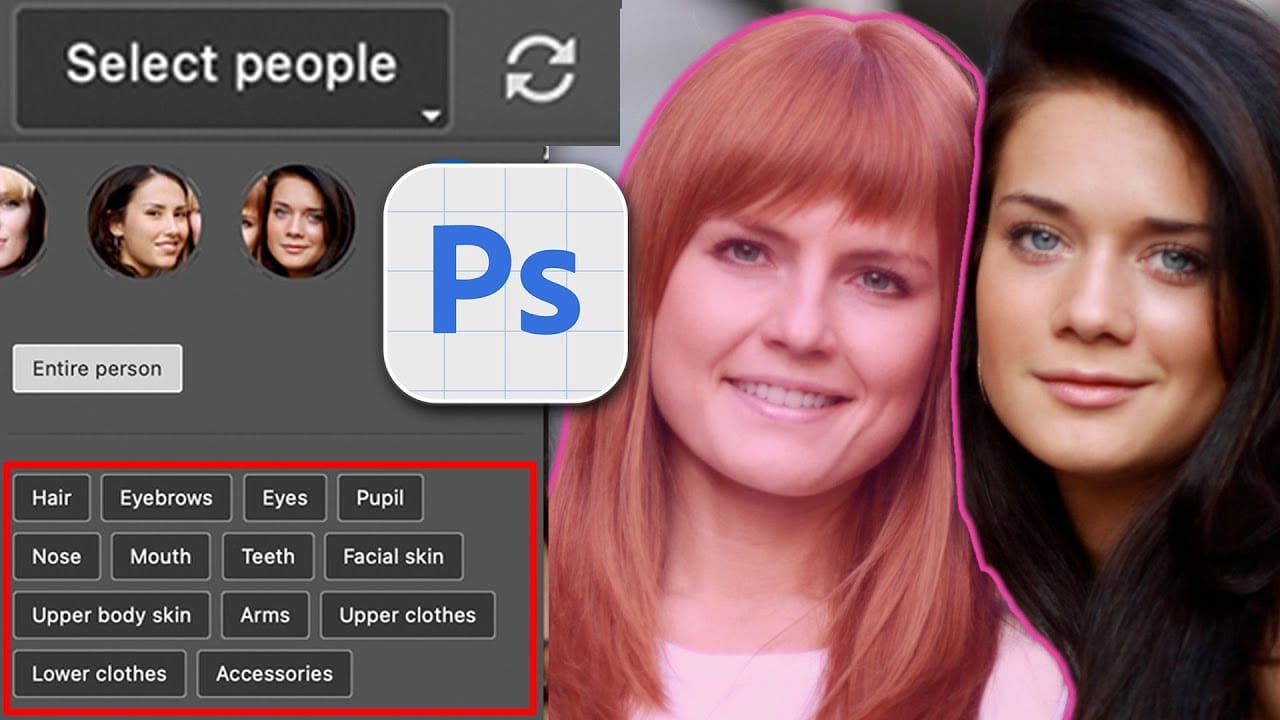

Select People, the most requested new photoshop feature
Introducing the exciting new "Select People" feature in Photoshop: a highly anticipated tool that has caught the attention of many users. This addition mimics the person selection masks available in Lightroom and Camera RAW, making it easier than ever to work with images that include people. In the introductory segment, you’ll get a brief overview of its capabilities. From whitening teeth to changing hair color, the feature offers several enhancements that allow for seamless edits. Tutorials de
TOP New Features in Photoshop – May 2025 Update
Many Photoshop users frequently encounter common challenges such as time-consuming manual selections for complex objects, difficulties in achieving precise color adjustments across an image, or struggling with inconsistent results when removing unwanted elements like reflections. These hurdles often slow down the creative process, making it frustrating to achieve a desired professional look efficiently. This guide explains how Photoshop's latest updates introduce powerful new functionalities, i
New Photoshop Feature for Changing Colors
Working on the color palette of an image is a fundamental task in photo editing, enabling designers and photographers to evoke different moods, correct imbalances, or simply reimagine visual elements. While Photoshop has long offered robust tools for color manipulation, achieving precise and natural-looking changes often required a multi-step workflow and a deep understanding of complex adjustments. This video introduces a groundbreaking new feature in Photoshop's beta version, designed to stre
Photoshop Beta: Discover the New Actions Panel
Achieving a specific creative look in Photoshop often requires knowing the right combination of tools and techniques, which can be a significant hurdle for both new and experienced users. While traditional actions can automate repetitive tasks, finding or creating the perfect one for a unique artistic goal isn't always straightforward. This tutorial explores the completely redesigned Actions panel in Photoshop Beta, which uses AI to simplify complex edits. You will learn how to use natural lang

Get tutorials & freebies delivered to you.

Subscribe to the Photoshop Roadmap newsletter, a weekly roundup of new tutorials, insights and quality downloads, trusted by 6500+ readers.

You might also like

Transform Photos into Ink Drawings in Photoshop

Traditional ink drawings capture bold contrasts and artistic expression through pure black and white elements. This technique transforms ordinary photographs into striking ink artwork by combining specific filters with smart object workflows for complete creative control. The method uses oil paint effects, shadow adjustments, and threshold conversion to create authentic...

How to Build Monochromatic Color Palettes with Layers in Photoshop

Creating harmonious color schemes requires understanding how to layer colors strategically rather than relying on single adjustments. A monochromatic palette uses tints, tones, and shades from the same color family to create depth and visual unity. This technique demonstrates how to build rich, textured backgrounds by combining solid color fills,...

How to Use the New 3D Object Rotation Feature in Photoshop

Photoshop's new Rotate Object feature transforms flat 2D images into interactive 3D models that can be repositioned from any angle. This AI-powered tool automatically creates cutouts, maintains original textures, and generates missing details when objects are rotated beyond their original perspective. The feature opens new possibilities for product...

How to Use Depth Range Masking in Camera Raw

Adobe Camera Raw's depth range masking feature allows you to select and adjust specific depth layers in any photograph without needing special camera equipment. Unlike traditional subject and background masks that focus on shapes, depth range masking works with the spatial distance between elements in your image. This...

How to Remove Objects Using Photoshop's Updated Remove Tool Without Credits

Photoshop's updated Remove tool offers powerful AI-powered object removal without consuming any generative credits, regardless of your subscription plan. The tool features automated distraction detection that categorizes different types of visual clutter—from trash and people to urban elements and blemishes—making it easy to selectively remove unwanted...

Photoshop 27.6: Complete Guide to New Features and Tools

Photoshop 27.6 introduces several powerful features that streamline common editing tasks. From bringing reflection removal directly into the main interface to AI-powered distraction detection, these updates focus on making complex workflows more accessible and efficient. The update also includes enhanced generative models, improved layer management tools, and a redesigned...

You’ve successfully subscribed to Photoshop Roadmap
Welcome back! You’ve successfully signed in.
Great! You’ve successfully signed up.
Success! Your email is updated.
Your link has expired
Success! Check your email for magic link to sign-in.