Photoshop’s Remove Tool is Broken—What Now?

Photoshop’s Remove Tool is Broken—What Now?

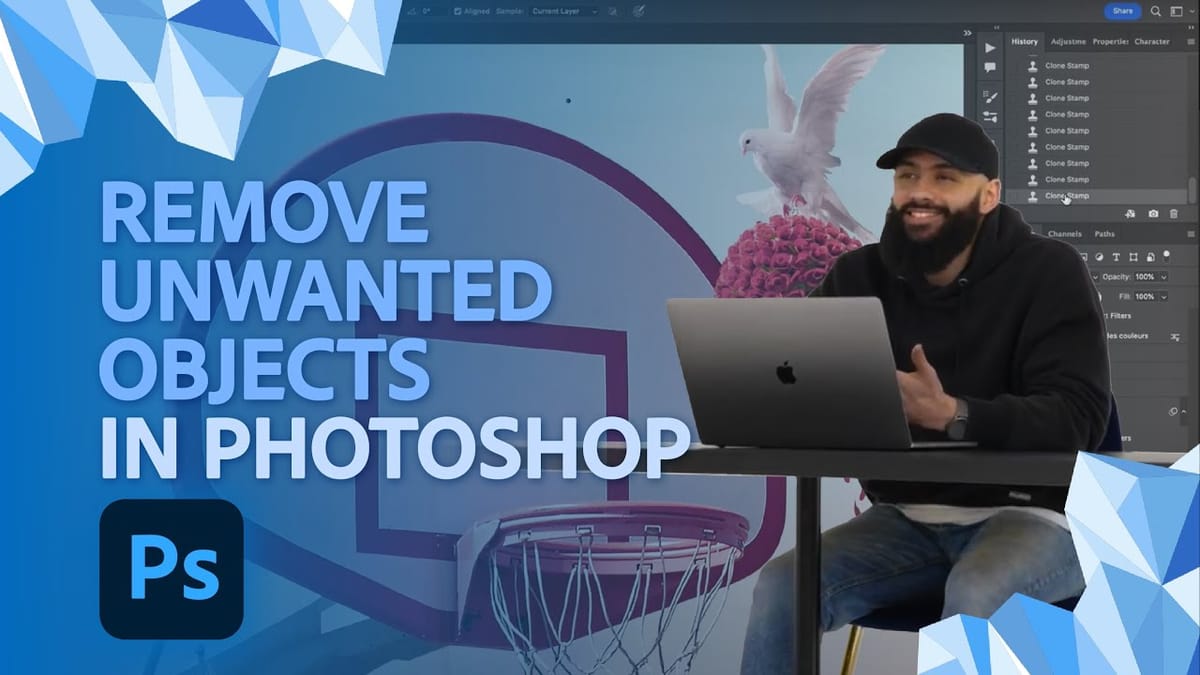
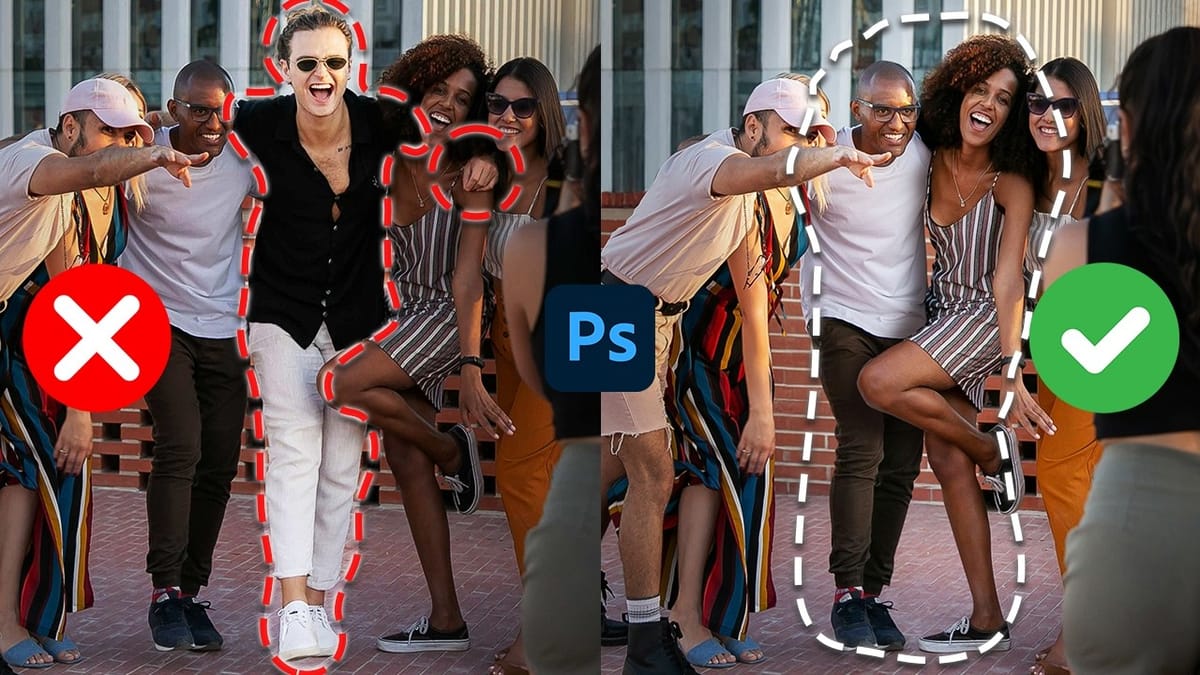
Object removal is a fundamental task in photo editing, but AI-powered tools can sometimes produce unpredictable results. It can be frustrating when a tool designed to remove an object instead replaces it with another unwanted element, disrupting your workflow and requiring extra steps to correct.

This tutorial demonstrates how recent updates to the Remove Tool in Photoshop Beta solve these common issues. You will learn how to access the improved tool, use a new selection-based workflow for more precise control, and understand how this powerful feature now works without consuming your Adobe Generative Credits.

Watch The Tutorial

Any links or downloads mentioned by the creator are available only on YouTube

The Evolution of Smart Object Removal

Photoshop's object removal capabilities have evolved significantly over the years, moving from manual methods like the Clone Stamp to the intelligent automation of Content-Aware Fill.

The introduction of the Remove Tool marked another leap forward, leveraging generative AI to not just sample surrounding pixels but to create entirely new, context-aware content to fill a space. However, this generative power sometimes led to "creative" interpretations, where the AI would invent a new object rather than create a seamless background.

The latest updates in Photoshop Beta represent a refinement of this technology, aiming for greater predictability and user control. By integrating the Remove Tool's engine with traditional selection methods, Adobe is bridging the gap between direct manipulation and AI automation. This hybrid approach offers the best of both worlds:

  • Precision: Users can define the exact area to be removed using any selection tool.
  • Intelligence: The AI handles the complex task of generating a plausible and clean background fill.

This change makes the tool more reliable for professional workflows, where consistency and accuracy are paramount. The further clarification that this process does not use generative credits makes it an accessible, everyday tool rather than a feature to be used sparingly.

Practical Tips for Using the Remove Tool

  • Install Photoshop Beta to access the most recent updates. You can find and install it from the "Beta apps" section of the Creative Cloud desktop application.
  • Use selections for precise removals. Instead of painting with the Remove Tool, create a selection around your object using a tool like the Object Selection Tool, then click the Remove button in the Contextual Taskbar.
  • Expand your selection slightly before removing the object. Go to Select > Modify > Expand and add a pixel buffer to give the AI more contextual information for a cleaner result.
  • Refine any imperfections iteratively. If the initial removal leaves small artifacts, simply paint over them with the Remove Tool or make a new small selection and click Remove again.
  • Take advantage of unlimited use. The Remove Tool, even with its generative capabilities, does not consume Adobe Generative Credits, so you can use it freely on complex images without resource concerns.

Explore these resources to learn more about different object removal techniques and workflows in Photoshop.

Testing Photoshop 2025’s One-Click Remove Tool
Photoshop’s New “Find Distractions” Feature: A Game-Changer for Image Editing This tutorial by Aaron Nace from Phlearn introduces a powerful new feature in Photoshop 2025: the Find Distractions option within the Remove Tool. This innovative tool enables users to effortlessly eliminate unwanted elements from their photos, such as stray wires,
New Reflection Removal Tool in Photoshop
Photoshop’s new Reflection Removal feature in Adobe Camera Raw offers a straightforward solution to eliminate distracting reflections from your images with just one click. This video provides a comprehensive overview of the Reflection Removal slider, showcasing its effectiveness on a variety of images, from portraits to objects. Throughout the presentation,
How to Remove Unwanted Objects in Different Ways in Photoshop
Do you have photographs with distracting elements that need removing? In this insightful Photoshop tutorial from artist Zak Eazy, viewers will learn several effective techniques for eliminating unwanted objects from their images. Whether it’s removing superfluous signs, wires or passersby, Zak walks through practical use cases that showcase the Patch and Clone Stamp tools as […] More
How to Remove People From Photos in Photoshop: Easy and Advanced Methods
This Photoshop tutorial teaches you two effective ways to remove people from your photos, no matter the situation. For quick edits, you’ll explore how the Remove Tool works to erase subjects easily. For more detailed adjustments, you’ll use Generative Fill to handle complex edits, such as restoring missing parts of

Get tutorials & freebies delivered to you.

Subscribe to the Photoshop Roadmap newsletter, a weekly roundup of new tutorials, insights and quality downloads, trusted by 6500+ readers.

You might also like

10 Photoshop Tricks You Probably Forgot Exist

There’s a funny pattern with Photoshop. The longer you use it, the more you rely on the same small set of tools… while some of the most powerful techniques quietly fade into the background. Not because they stopped working — but because they’re just a bit hidden, or not...

Add Floral Patterns to Black Dresses Using Brushes in Photoshop

Transform plain black clothing into vibrant, patterned garments using custom brushes and strategic layer blending. This non-destructive technique combines precise selections with clipping masks to paint realistic floral designs directly onto fabric while preserving the original photograph. The method works particularly well on black materials because the hard light blend...

How to Replace Objects Using Reference Images in Photoshop Generative Fill

Reference images transform Generative Fill from a text-based tool into a precise visual command system. Instead of describing what you want, you show the AI exactly which object to create, leading to more accurate and predictable results. This technique works by combining traditional selection tools with the new reference image...

How to Use Blend If Sliders for Pixel-Perfect Transparency in Photoshop

Blend If sliders control transparency based on brightness levels, making complex selections unnecessary. Understanding how these two simple sliders work with RGB channels opens up precise compositing possibilities that would otherwise require multiple masks and selections. The technique works by targeting specific brightness ranges from 0 to 255, allowing you...

How to Create a Double Exposure Effect in Photoshop Using Screen Blend Mode

Double exposure effects transform ordinary portraits into striking artistic compositions by blending two images seamlessly. This technique works best with high-contrast images—silhouettes against bright backgrounds paired with nature scenes or textures. The key to successful double exposures lies in the contrast between light and dark areas. When you combine...

You’ve successfully subscribed to Photoshop Roadmap
Welcome back! You’ve successfully signed in.
Great! You’ve successfully signed up.
Success! Your email is updated.
Your link has expired
Success! Check your email for magic link to sign-in.