Create Authentic Vintage Halftone Effects with Custom Patterns in Photoshop

Create Authentic Vintage Halftone Effects with Custom Patterns in Photoshop

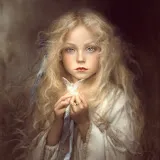
Photoshop's built-in Color Halftone filter creates rigid, geometric results that lack the authentic character of vintage print work. The filter also fails to produce true CMYK separations in RGB documents, missing the black channel entirely and creating an unconvincing simulation of traditional printing methods.

This technique uses custom patterns and blend modes to create realistic, grungy CMYK halftones that work as live effects. Unlike the standard filter, this approach produces authentic-looking ink separations with organic texture and maintains quality at small scales, perfect for vintage magazine aesthetics and print simulation work.

Watch the Tutorial

Any links or downloads mentioned by the creator are available only on YouTube

Understanding CMYK Channel Separation

Traditional halftone printing relies on four separate screens—cyan, magenta, yellow, and black—each angled differently to prevent unwanted moiré patterns. Each screen converts continuous tones into dots of varying sizes, with larger dots representing darker areas and smaller dots representing highlights.

Photoshop processes these channels independently, which explains why the Color Halftone filter behaves differently in RGB versus CMYK documents. In RGB mode, black results from overlapping cyan, magenta, and yellow dots, while true CMYK printing uses dedicated black ink for better contrast and detail.

The Hard Mix blend mode becomes crucial in this workflow because it creates a threshold effect, combining pattern and image data to determine dot sizes. This mathematical approach mimics how traditional photomechanical processes converted photographs into printable halftone screens.

Essential Halftone Pattern Techniques

  • Work in CMYK color mode from the start to ensure proper four-color separation and authentic black channel behavior throughout the process.
  • Use Hard Mix blend mode with reduced fill opacity to create smooth dot edges while maintaining the threshold effect that determines halftone dot sizes.
  • Apply Gaussian Blur to source images proportional to dot size—too much detail fights against the halftone pattern and creates muddy results.
  • Add Levels adjustments below pattern layers to control dot size ranges and target specific color channels for custom contrast adjustments.
  • Layer Screen mode textures to simulate paper grain and ink transparency, making solid colors appear more like authentic printed materials.

More Vintage and Halftone Resources

Explore additional techniques for creating retro and halftone effects in Photoshop:

Create an old-school halftone photo effect in Photoshop – Photoshop Roadmap
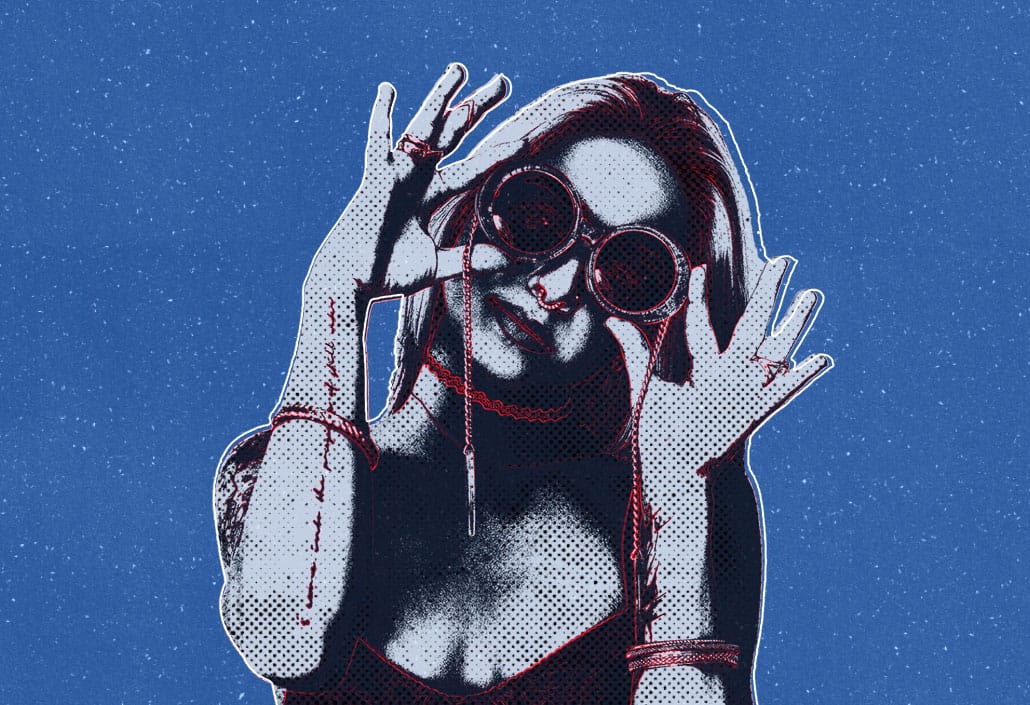
In this Photoshop tutorial by Let’s Photoshop, you’ll learn to transform a regular photo into a striking Halftone Vintage Effect. Jobe guides you through using layer styles and adjustment layers to create a cohesive, old-school look. With clear instructions, you’ll master techniques that can be applied to other designs, adding
Create awesome retro halftone effects in Photoshop
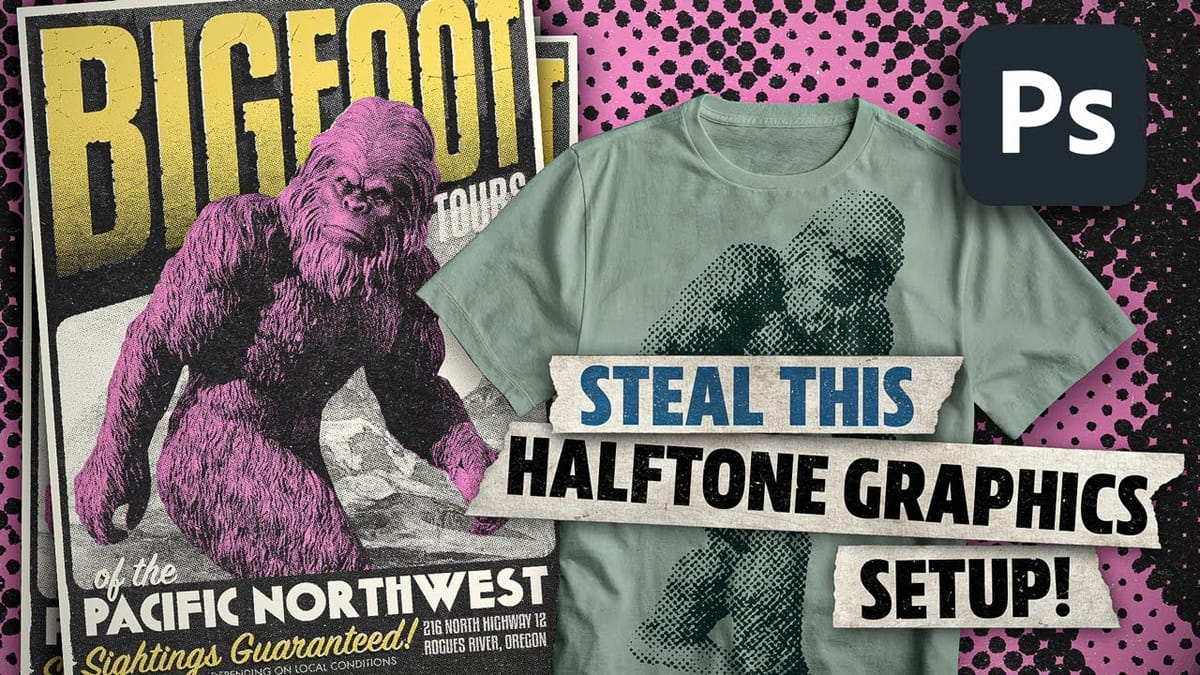
In this tutorial, I’ll run through the setup I use to create halftone effects in Photoshop. Great for posters, apparel, stickers, or just making cool retro-lookin stuff! This approach will bypass the halftone filters and create the effect from scratch, with the added benefit of being live and adjustable. In the second half of the […] More
Ultimate Halftone Effect in Photoshop
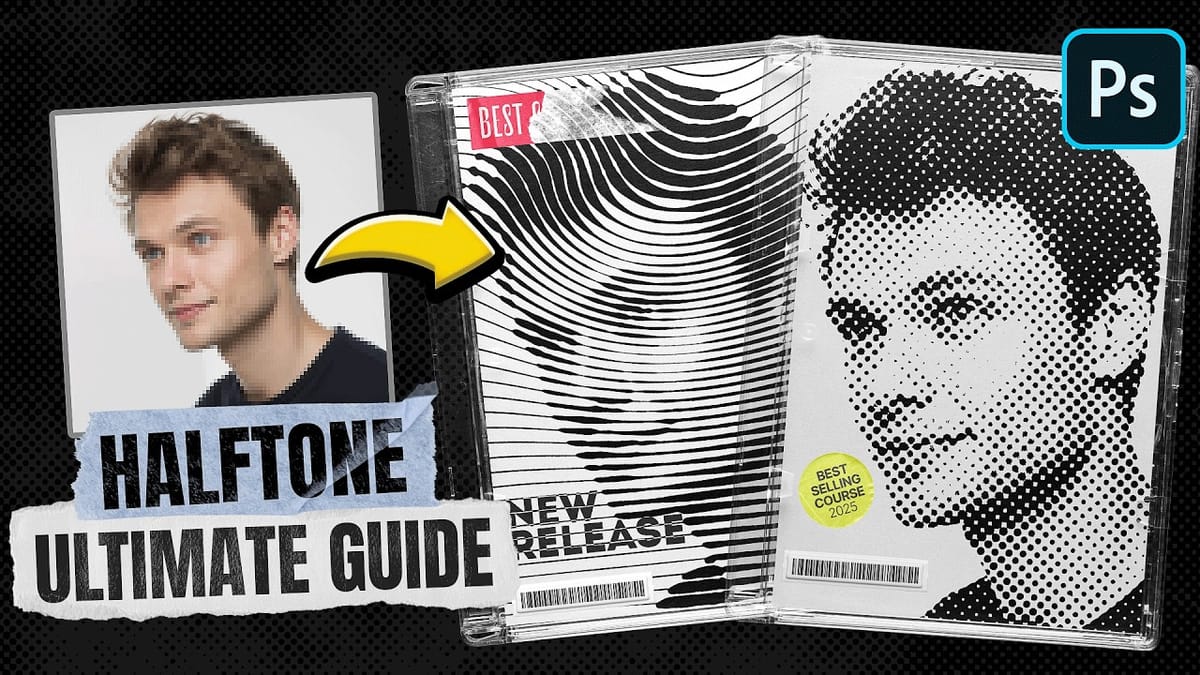
Learn how to create stunning halftone effects in Photoshop step by step with this comprehensive tutorial. Whether it’s a classic black-and-white halftone, a vibrant color halftone, or even a smooth gradient halftone, this guide will teach you everything you need to know. You’ll explore how to use the
Create a colorful Pop duotone in Photoshop – Photoshop Roadmap
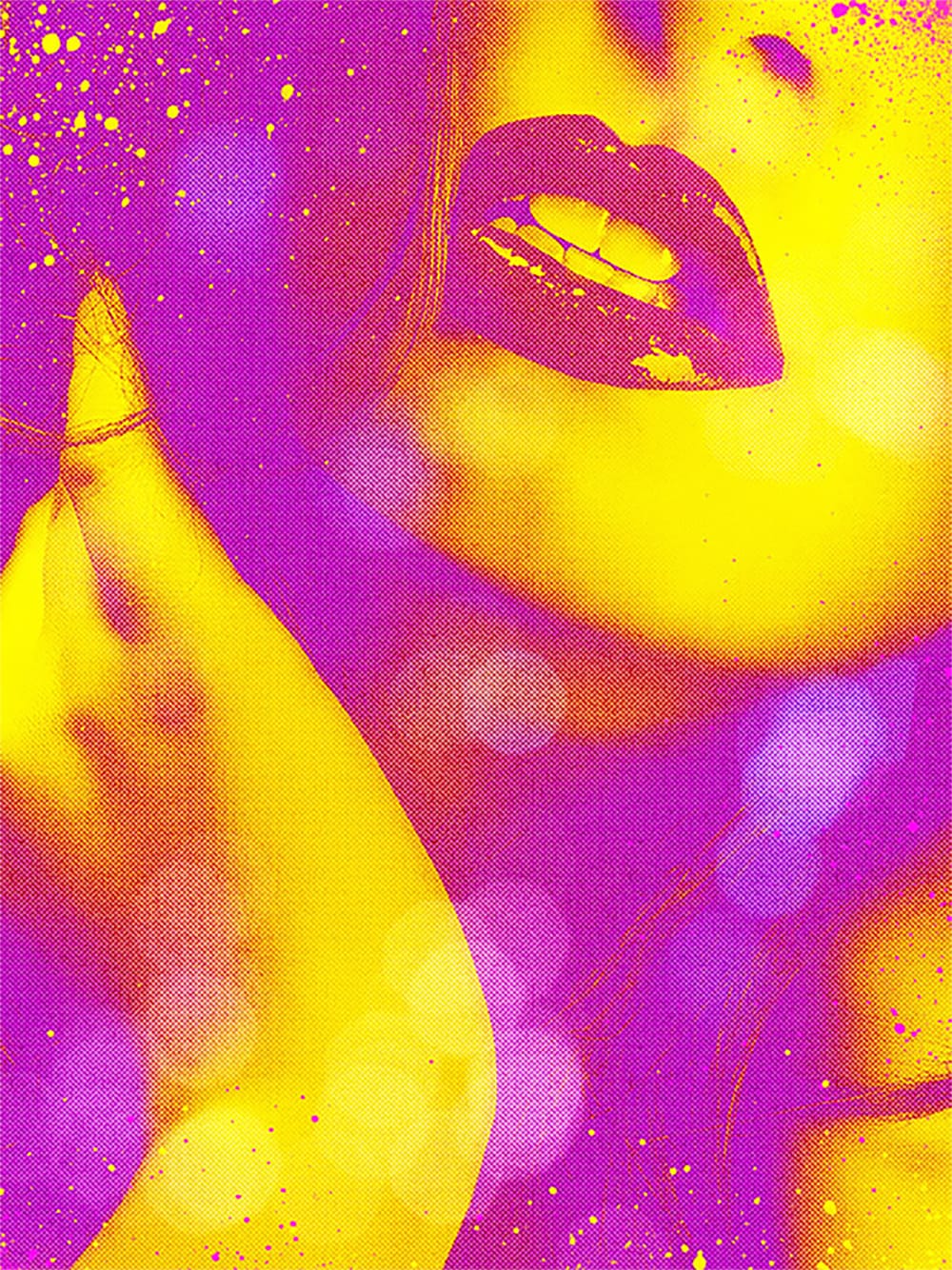
In this Photoshop tutorial, you are heading straight back to the 80s to play with fluoro colors, a trend that transforms modern-day photos into intense, oversaturated images with a retro twist. You’ll learn how to effortlessly recreate this duotone effect, allowing you to infuse your photos with a bold and

Get tutorials & freebies delivered to you.

Subscribe to the Photoshop Roadmap newsletter, a weekly roundup of new tutorials, insights and quality downloads, trusted by 6500+ readers.

You might also like

How to Create Collage Text Effects in Photoshop

Collage text transforms simple typography into visually striking artwork by combining wrapped paper textures, strategic warping, and careful masking techniques. This creative approach gives letters dimension and character, perfect for artistic projects and unique design elements. The technique involves layering textured materials within letter shapes, then using Photoshop's...

How to Convert Low-Resolution Graphics to Vector Shapes in Photoshop

Pixelated logos and graphics lose their impact when scaled up for print or web projects. Photoshop's Creative Cloud Libraries feature offers a built-in solution for transforming low-resolution black and white images into crisp, scalable vector shapes. This technique works particularly well for simple graphics, logos, and icons that...

How to Use Photoshop's Select Subject Tool for One-Click Selections

Complex selections in Photoshop just became effortless. The Select Subject tool uses advanced AI to automatically identify and select main subjects in images, even those with intricate details like bicycle spokes or hair. This tutorial demonstrates how to achieve professional-quality selections with a single click, saving hours of manual masking...

Understanding Photoshop Blending Modes: A Complete Guide to Layer Blending

Blending modes transform how layers interact in Photoshop, letting you seamlessly combine images without complex masking. This technique reveals only light areas, dark areas, or specific colors from each layer. Master these essential blending groups to create professional composites and artistic effects with just a few clicks. Watch the Tutorial...

Photoshop 2026 New Features: AI Tools and Credit System Overview

Photoshop 2026 introduces powerful AI-driven features including advanced generative fill models, sophisticated upscaling tools, and seamless harmonization effects. These updates promise to streamline complex editing tasks while delivering professional-quality results. The software now operates on a credit-based system that divides features into standard and premium tiers, fundamentally changing how users...

How to Add Objects to Photos Using Photoshop's Generative Fill

Photoshop's Generative Fill transforms photo editing by letting you add realistic objects using simple text descriptions. This AI-powered feature creates seamless additions that match your image's lighting, perspective, and style. The process requires just a basic selection and a descriptive prompt to generate professional-looking results in...

You’ve successfully subscribed to Photoshop Roadmap
Welcome back! You’ve successfully signed in.
Great! You’ve successfully signed up.
Success! Your email is updated.
Your link has expired
Success! Check your email for magic link to sign-in.