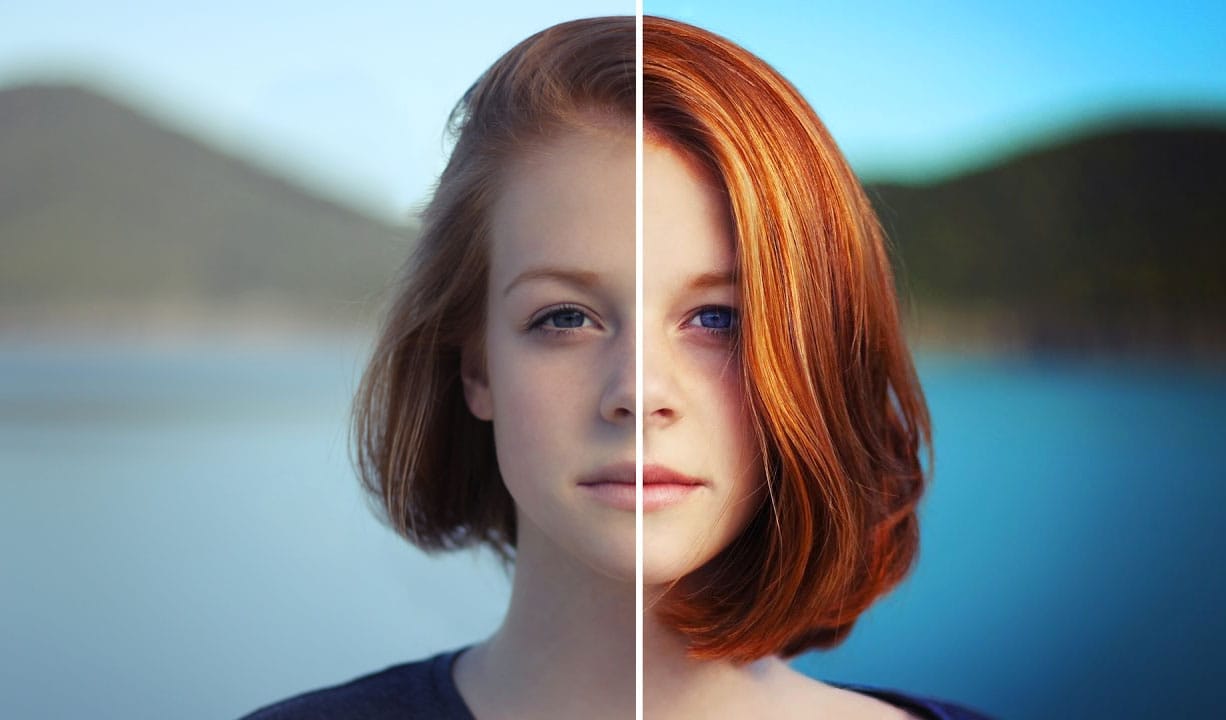

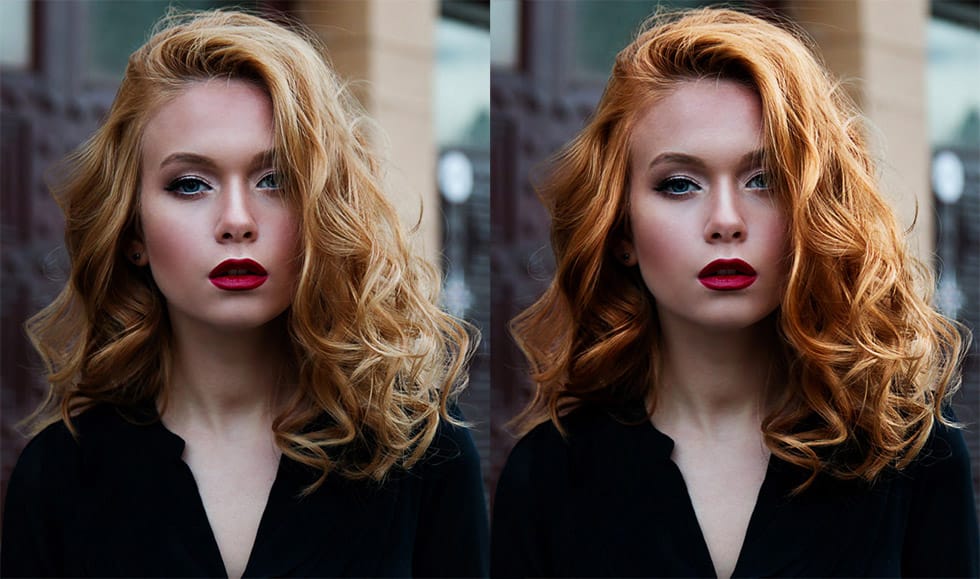
Changing hair color in Photoshop requires more than simple color adjustments. Hair contains multiple tones in highlights and shadows, and successful color changes must maintain natural-looking variations while staying within realistic color ranges.
The process becomes more complex when going from dark to light colors, as transforming black hair to blonde is nearly impossible to achieve convincingly. However, changing from light to dark or adjusting within similar tonal ranges produces excellent results using the right combination of adjustment layers.
Watch the Video
Practical Tips
These essential techniques will help you achieve realistic hair color changes:
- Start with Selective Color adjustment layers for initial color shifts, as they handle color ranges better than Hue/Saturation for hair
- Use separate adjustment layers for desaturation and darkness control when creating black hair
- Copy layer masks between adjustment layers by holding Alt/Option and dragging from one mask to another
- Add white highlights using blend modes and Blend If options to create natural shine on darker hair colors
- Paint skin color back into areas between hair strands using Color blend mode to maintain realistic scalp visibility
Related Articles and Tutorials
Explore more portrait retouching techniques and color adjustment methods:
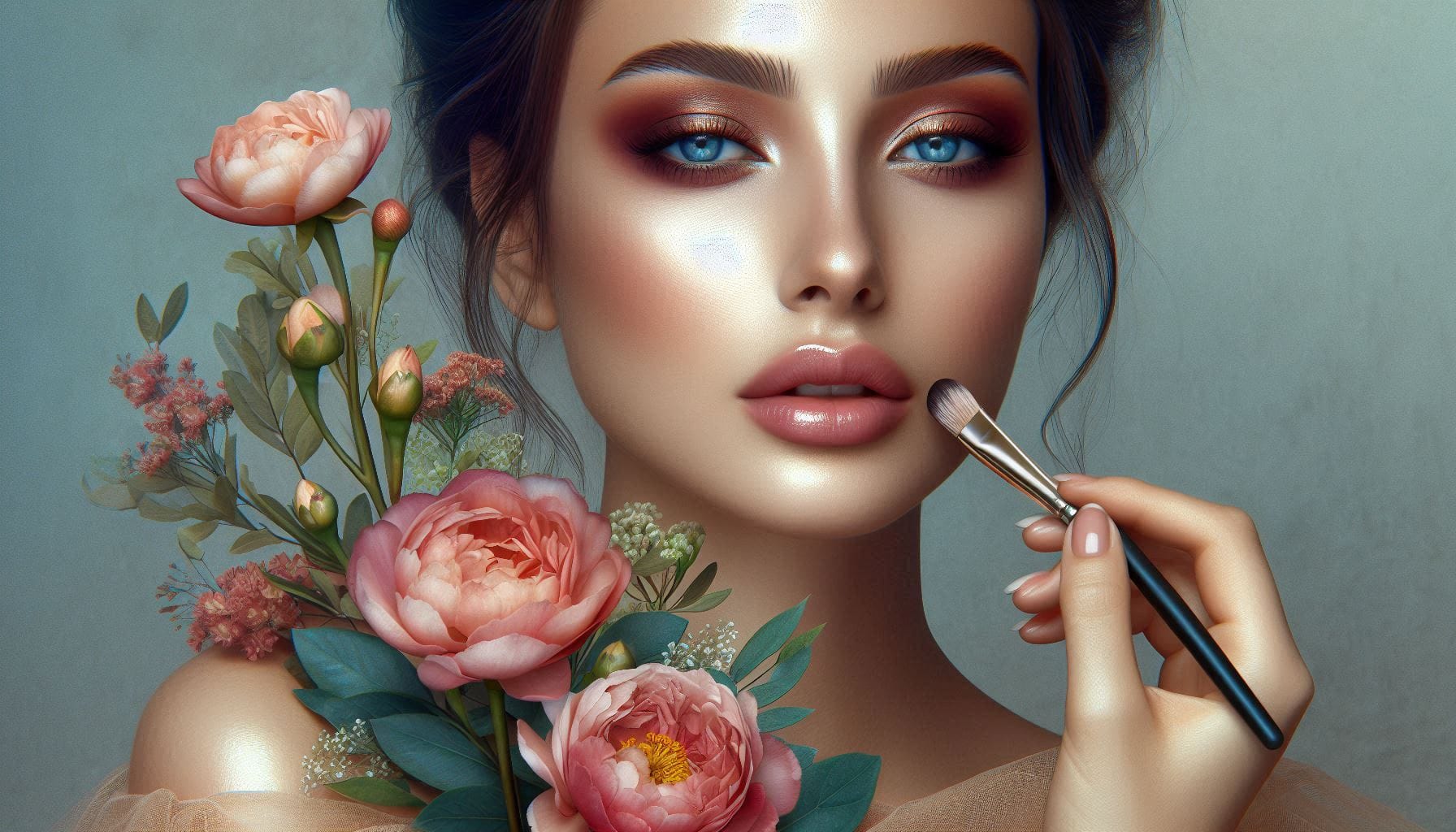
Learn how to change eye, hair and lips color in Photoshop
For those of us who aren't professional photographers, or lack the proper equipment, portrait photography is a feat that will inevitably end in an intensive, and sometimes clueless, retouching session.
Luckily Photoshop has some incredible tools to make this process easier. But if you aren't an intermediate or advanced user, you will need some help.
The following tutorials will explain the basics of hair, eye and lips retouching process for beginners.
How to Change Hair Color in Photoshop
T
How to change hairstyles in Photoshop
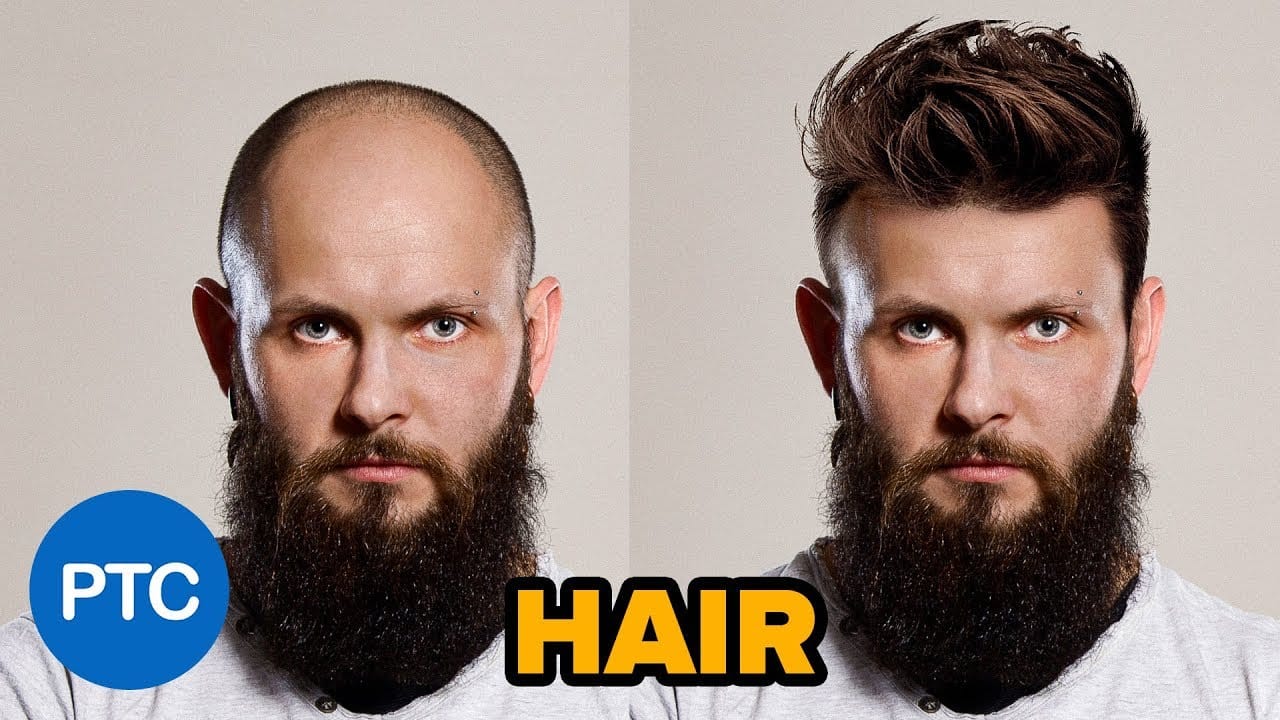
In this Photoshop tutorial, Jesús Ramírez from the Photoshop Training Channel shows you how to composite hair into a photo to give a person a new hairstyle. This is not a tutorial about painting hair, as that would make it difficult to achieve realistic results.
Instead, the author takes the hair from another photo and adds it to the bald man's head using Photoshop's transform tools. This approach allows for a more natural-looking result than trying to paint the hair from scratch. By following
How to Change Black into Any Color in Photoshop
In this tutorial, Aaron Nace demonstrates how to transform black elements in your images into any color using Photoshop. This technique involves utilizing Levels and Hue/Saturation Adjustment Layers to achieve the desired color changes.
Aaron guides you through the process of adjusting these settings to effectively modify black areas in your photos. This method is particularly useful for fashion and product photo retouching, allowing you to customize colors for creative or branding purposes.
T
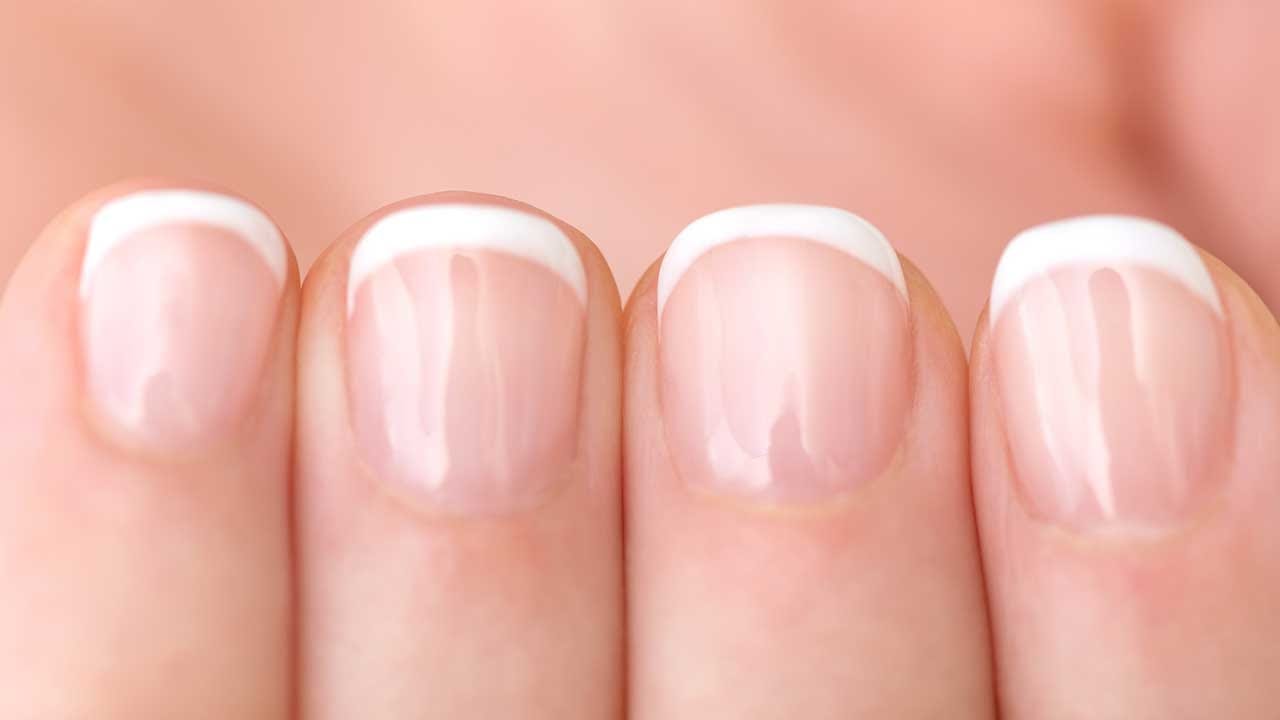
How to Color Nail Polish in Photoshop
In this tutorial, Aaron Nace from Phlearn shows how to change the nail color of a subject in Photoshop. The user may want to try a different color that better fits the overall image. Fortunately, there is a simple yet effective solution for this task.
The tutorial guides the user through the process step-by-step. By following the instructions, one can easily adjust the nail color to achieve the desired look. Nace, the author of the tutorial, provides clear explanations and demonstrations to ens
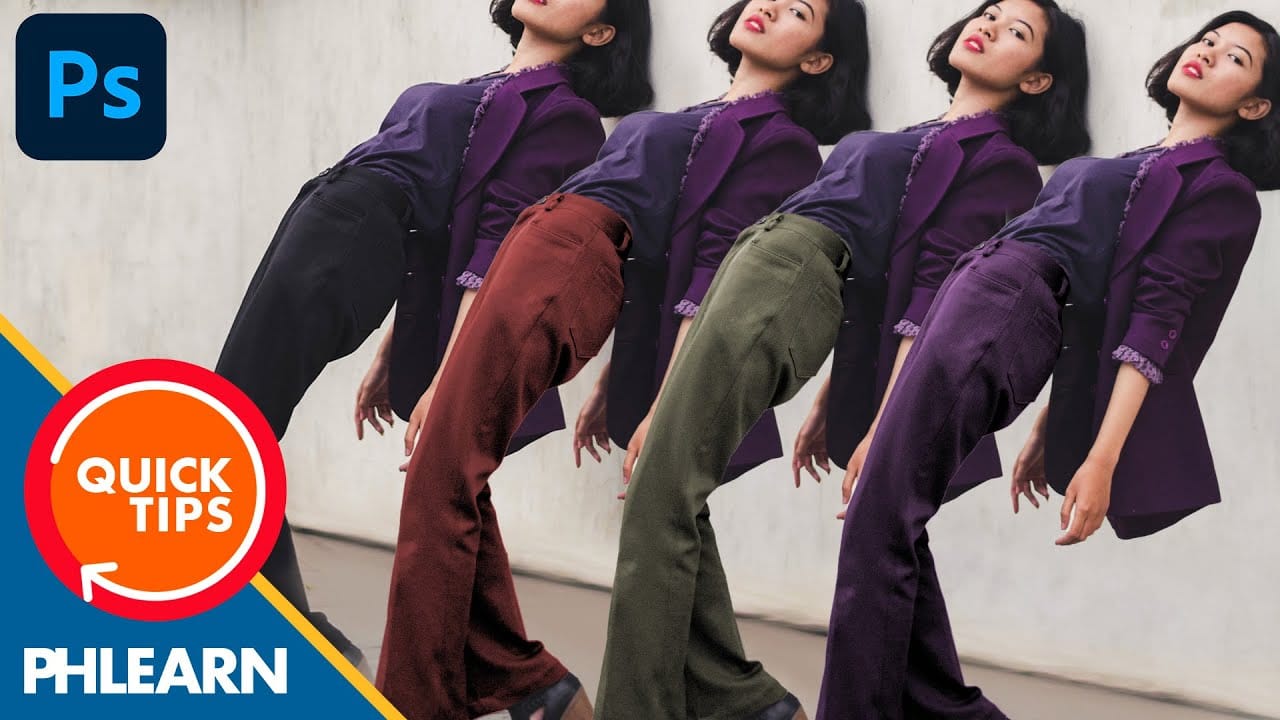
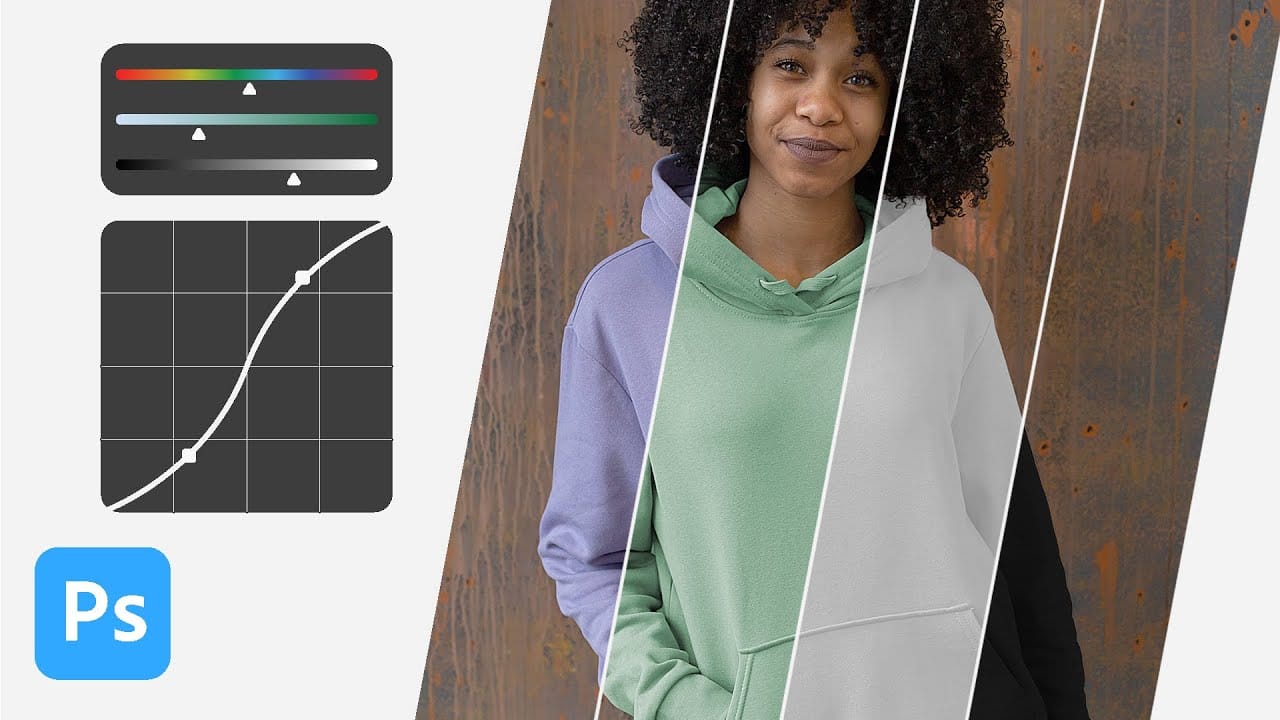
How to change the color of clothing in Photoshop
In this tutorial, Aaron Nace from Phlearn shows you how to change the color of clothing in Photoshop, even transforming it to black or white. This comprehensive guide covers essential tools and techniques to ensure perfect detail and realistic highlights and shadows.
Aaron demonstrates how to use Layer Masks, Curves Adjustment Layers, and Hue/Saturation Adjustment Layers to create precise selections that isolate the clothing from the rest of the image, adjust brightness and contrast, and manipu
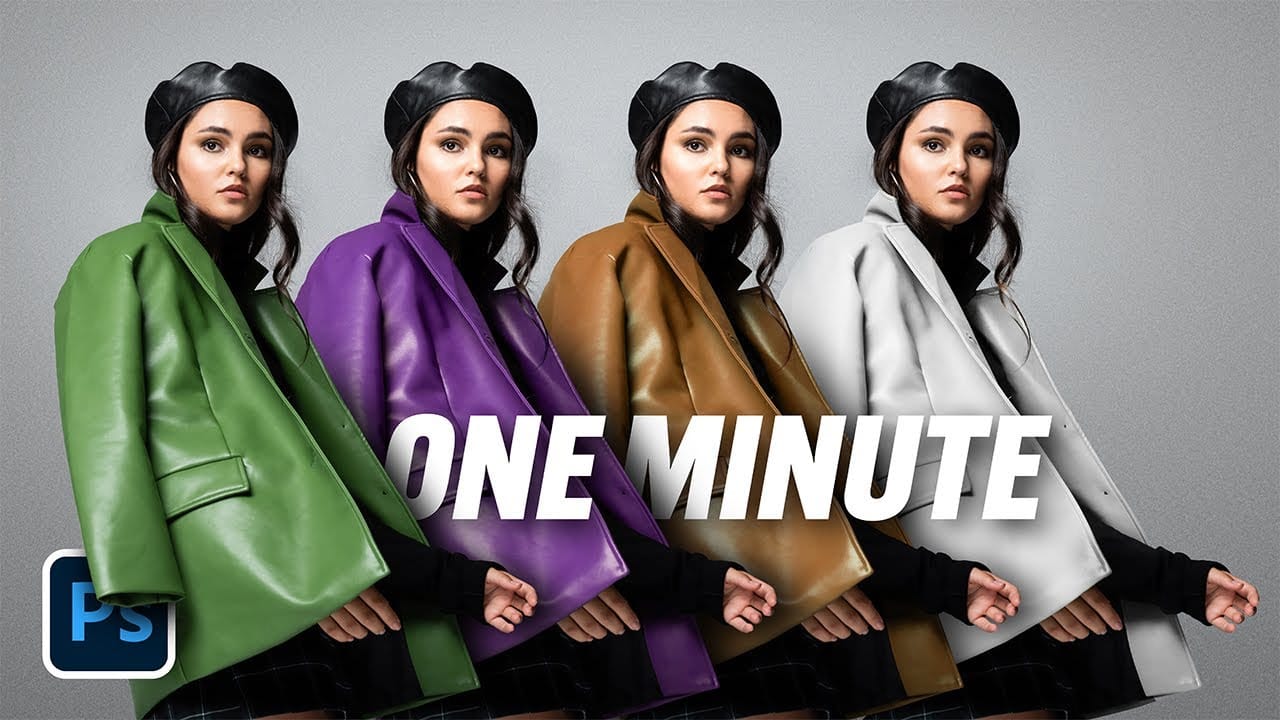
The easiest way to change any color in Photoshop
Changing the color of specific elements within an image can often be a frustrating challenge for designers and photographers. Achieving a precise color shift without affecting surrounding areas, or dealing with complex selections, often leads to a time-consuming and imperfect process.
This guide introduces a highly efficient method utilizing Photoshop's latest updates, specifically the "Adjust Colors" feature found in the contextual taskbar. This technique simplifies accurate color manipulation
Add Shine, Color and Volume to Hair in Photoshop
The author, Aaron Nace from Phlearn, shares his expertise in this tutorial. Hair can be a tricky element to retouch and enhance, but there are some quick tricks to give it more volume and vibrant color.
Nace demonstrates how to use the Liquify Tool to increase the volume of hair. This technique allows you to manipulate the strands and add more body and movement. Additionally, Nace shares one of his favorite methods for coloring hair - the Gradient Map. This technique provides a seamless and nat
Change Eye Color in Photoshop
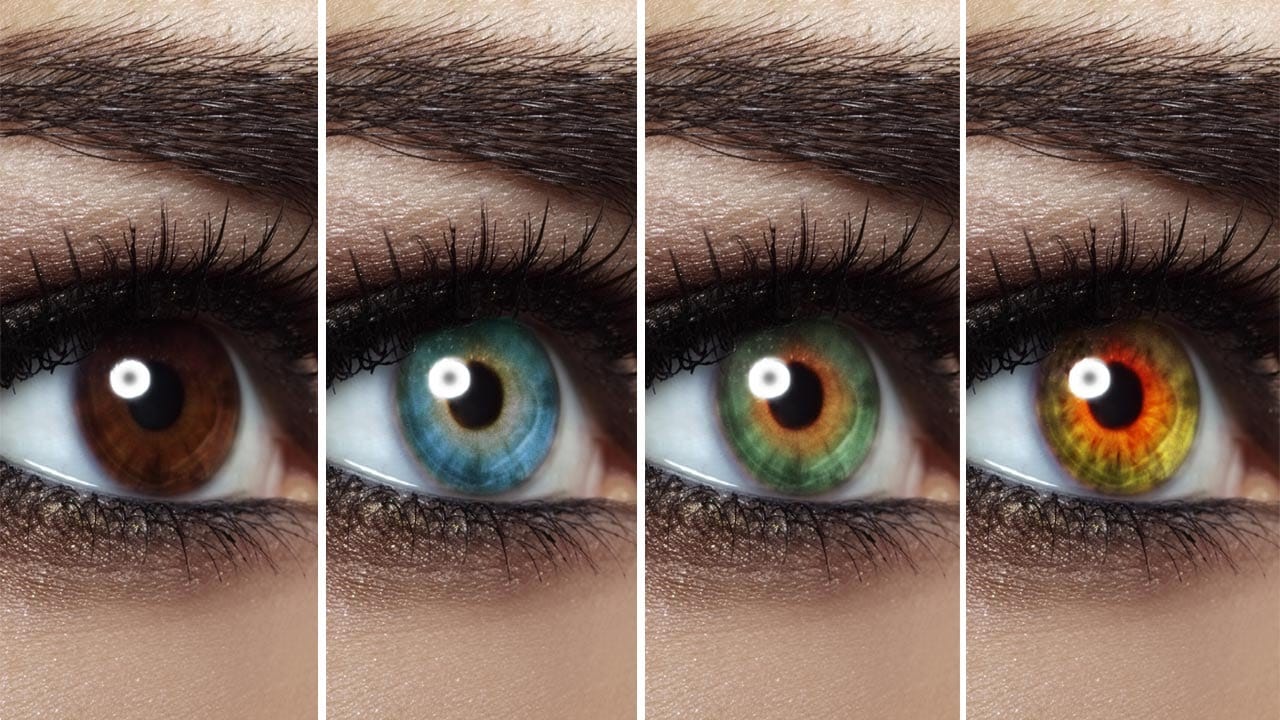
In this tutorial by Aaron Nace from Phlearn, discover how to transform eye colors effortlessly using Photoshop.
Aaron demonstrates techniques to precisely select and adjust eye colors using adjustment layers and masks. Learn to create realistic eye color changes by refining selections and applying hue adjustments. This tutorial is essential for photographers and digital artists looking to enhance portraits with eye-catching eye color variations, showcasing the versatility and creative possibili
How to make colors pop in Photoshop
Selective color enhancement transforms dull photographs into vibrant, dramatic images by targeting specific areas like hair, skin, eyes, and clothing. This non-destructive approach uses precise selections and adjustment layers to boost colors naturally.
The technique creates professional results by treating each element separately, allowing you to enhance blue sweaters, brighten eyes, warm skin tones, and intensify hair colors without affecting the entire image.
Watch the Tutorial
Practical