How to Create a VHS Glitch Effect in Photoshop

How to Create a VHS Glitch Effect in Photoshop

VHS glitch effects capture the nostalgic charm of analog video distortion, transforming clean digital images into retro masterpieces. These effects recreate the visual artifacts of old videotapes — horizontal scan lines, color channel separation, and pixelated interference that defined an entire era of visual media.

This tutorial demonstrates how to build a convincing VHS glitch effect using Photoshop's filters, blend modes, and displacement techniques. You'll learn to create authentic-looking analog distortion that brings vintage video aesthetics to modern digital work.

Watch the Video Tutorial

Video by P A N T E R. Any links or downloads mentioned by the creator are available only on YouTube

The Science Behind VHS Distortion

VHS glitch effects stem from real technical limitations of analog video recording. Magnetic tape degradation, tracking errors, and signal interference created the distinctive visual artifacts we now recreate digitally. The most recognizable elements include chromatic aberration from color channel misalignment and horizontal scan line disruption.

Digital recreation of these effects requires understanding how analog systems processed video signals. Color information was stored separately from luminance data, which explains why VHS glitches often show red, green, and blue channels shifting independently. The horizontal nature of most glitch patterns reflects how analog video was recorded in scan lines.

Modern glitch art embraces these technical "failures" as aesthetic choices. The imperfection becomes intentional, creating visual interest through controlled chaos that references our collective memory of analog media.

Essential Tips for VHS Glitch Effects

  • Separate your image into red, green, and blue channels using smart objects to maintain editability throughout the process
  • Use horizontal displacement rather than vertical to mimic authentic VHS tracking errors and scan line distortion
  • Apply the Unsharp Mask filter with high contrast settings to create the harsh, over-processed look of degraded video
  • Create scan lines using the Halftone Pattern filter with line patterns, then blend them using Multiply mode at low opacity
  • Add rectangular selections and reposition them to simulate video frame corruption and digital artifacts

More Tutorials About Glitch Effects

Explore additional techniques for creating digital distortion and retro video effects.
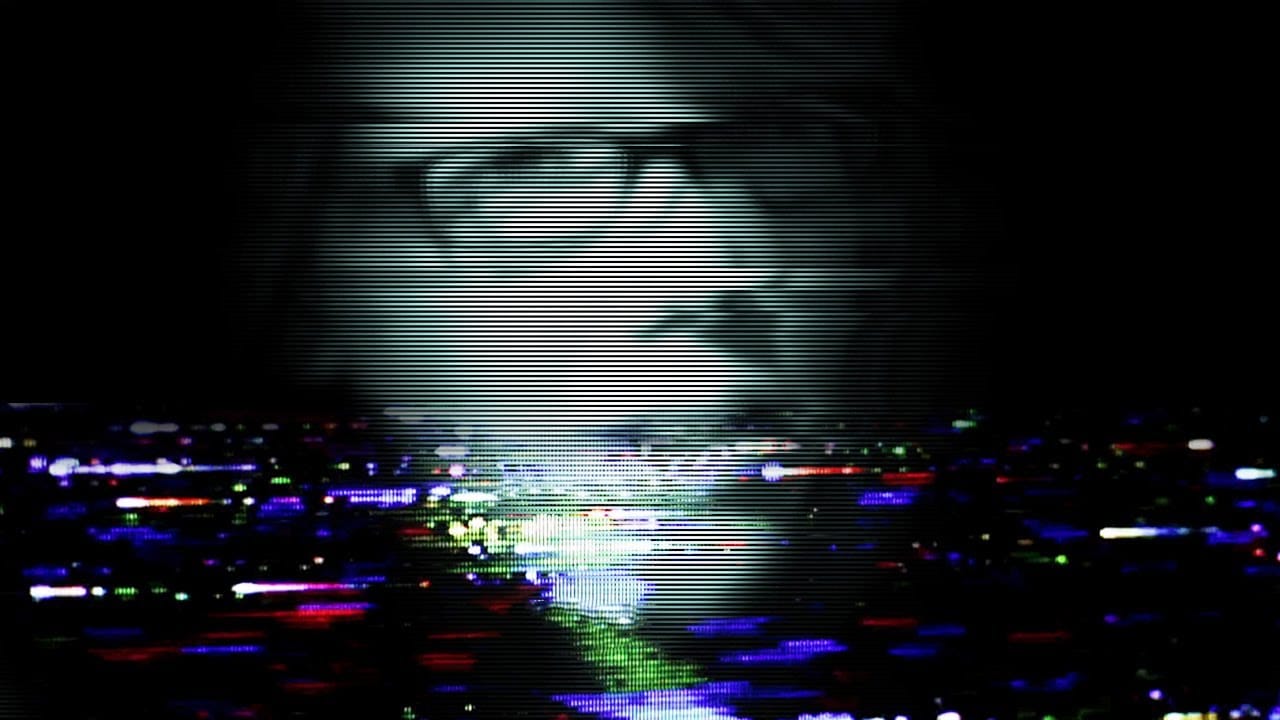
Create a Glitch Art Effect in Photoshop
Glitch art has emerged as a distinctive aesthetic in the digital age, rooted in the unexpected visual outcomes of digital errors. This art form transforms technical malfunctions into deliberate creative expressions, offering a unique visual language. This tutorial explores how to simulate this captivating effect from a standard photograph in Photoshop, guiding you through the essential steps to transform your images into compelling glitch art pieces. Watch the Video The Digital Aesthetic of
How to Make Tape Effect in Photoshop
In this tutorial, you will learn how to create a realistic masking tape effect in Photoshop. The step-by-step instructions make it easy for anyone, regardless of skill level, to follow along and achieve impressive results. You will start by familiarizing yourself with the necessary tools and techniques. The tutorial guides you through each stage, ensuring that you understand the process clearly. As you progress, you will see how simple adjustments can make a significant difference in the final
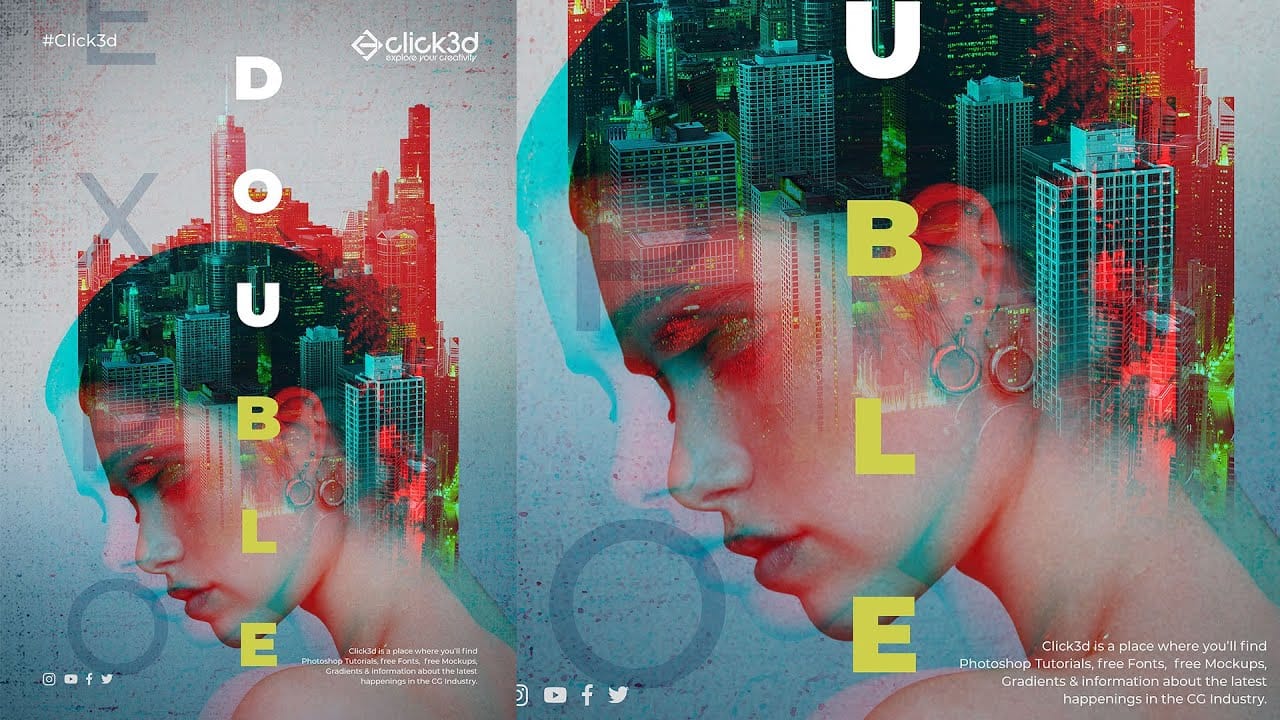
Double Exposure Glitch Poster Design in Photoshop
In this Photoshop tutorial by Click3D, you'll learn how to create a striking double exposure glitch poster design. The tutorial guides you through the process step by step, starting with the basics of setting up your project and selecting your images. You'll discover how to combine double exposure techniques with glitch effects to achieve a unique and eye-catching design. The tutorial covers essential steps like blending layers, applying distortion effects, and refining your poster to enhance t
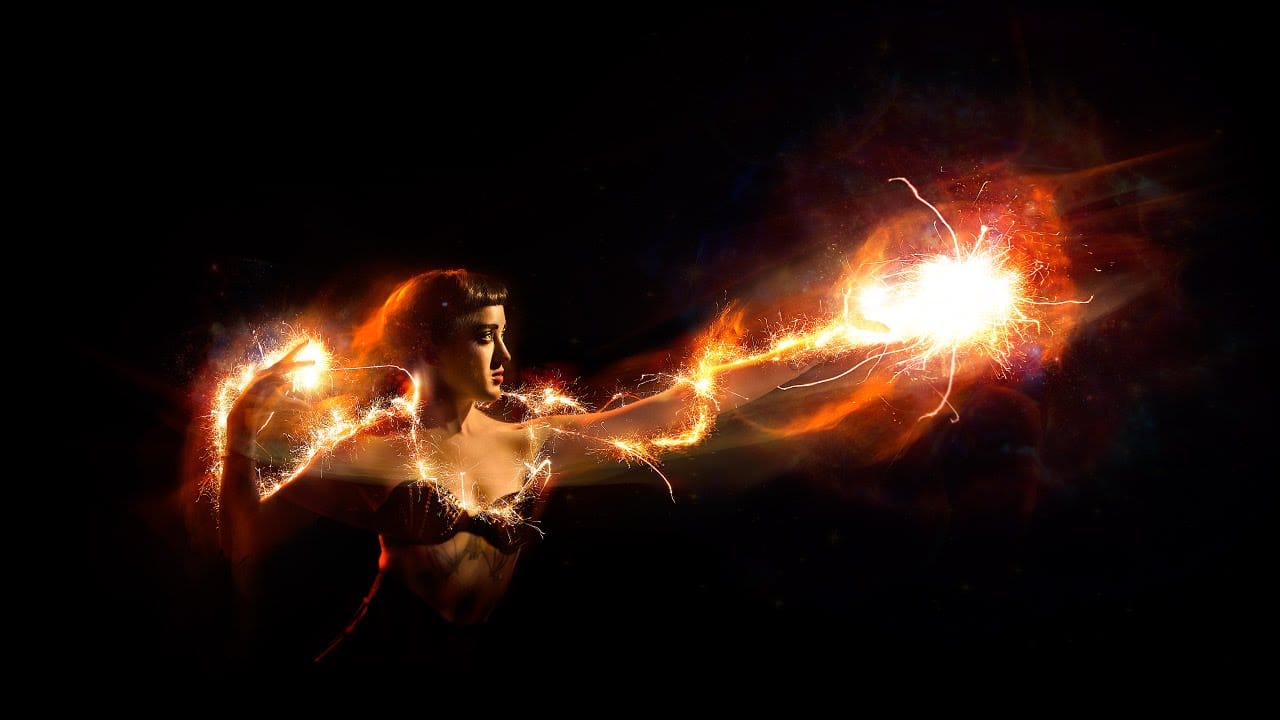
How to Add Special Effects in Photoshop
This video tutorial by PHLEARN demonstrates how to add special effects in Photoshop using photos from the same photoshoot. Aaron begins with a photo taken for a Fourth of July sale, featuring sparklers around the subject. The tutorial covers the use of blending modes and adjustment layers to create visually striking effects. Throughout the video, viewers are guided on how to group photos, change blending modes, use the move tool for positioning, and apply layer masks to hide unwanted areas. Add

Get tutorials & freebies delivered to you.

Subscribe to the Photoshop Roadmap newsletter, a weekly roundup of new tutorials, insights and quality downloads, trusted by 6500+ readers.

You might also like

10 Photoshop Tricks You Probably Forgot Exist

There’s a funny pattern with Photoshop. The longer you use it, the more you rely on the same small set of tools… while some of the most powerful techniques quietly fade into the background. Not because they stopped working — but because they’re just a bit hidden, or not...

Add Floral Patterns to Black Dresses Using Brushes in Photoshop

Transform plain black clothing into vibrant, patterned garments using custom brushes and strategic layer blending. This non-destructive technique combines precise selections with clipping masks to paint realistic floral designs directly onto fabric while preserving the original photograph. The method works particularly well on black materials because the hard light blend...

How to Replace Objects Using Reference Images in Photoshop Generative Fill

Reference images transform Generative Fill from a text-based tool into a precise visual command system. Instead of describing what you want, you show the AI exactly which object to create, leading to more accurate and predictable results. This technique works by combining traditional selection tools with the new reference image...

How to Use Blend If Sliders for Pixel-Perfect Transparency in Photoshop

Blend If sliders control transparency based on brightness levels, making complex selections unnecessary. Understanding how these two simple sliders work with RGB channels opens up precise compositing possibilities that would otherwise require multiple masks and selections. The technique works by targeting specific brightness ranges from 0 to 255, allowing you...

How to Create a Double Exposure Effect in Photoshop Using Screen Blend Mode

Double exposure effects transform ordinary portraits into striking artistic compositions by blending two images seamlessly. This technique works best with high-contrast images—silhouettes against bright backgrounds paired with nature scenes or textures. The key to successful double exposures lies in the contrast between light and dark areas. When you combine...

You’ve successfully subscribed to Photoshop Roadmap
Welcome back! You’ve successfully signed in.
Great! You’ve successfully signed up.
Success! Your email is updated.
Your link has expired
Success! Check your email for magic link to sign-in.