How to Create Realistic Design Mockups in Photoshop

How to Create Realistic Design Mockups in Photoshop

Creating convincing product mockups requires more than simply placing a design onto a template. Real fabric surfaces have subtle color variations, texture bumps, and complex lighting that affect how printed designs actually appear.

This comprehensive tutorial demonstrates professional techniques for building realistic mockups from scratch. You'll learn to control surface preparation, blend modes, displacement mapping, and lighting effects to achieve results that match real-world printing conditions.

Watch the Tutorial

Video by PiXimperfect. Any links or downloads mentioned by the creator are available only on YouTube

The Science Behind Realistic Mockup Creation

Professional mockup design relies on understanding how printed materials interact with different surfaces. Fabric printing, screen printing, and digital transfers each produce distinct visual characteristics that affect color saturation, edge sharpness, and surface texture integration.

The key principle involves surface preparation before design placement. Raw product photos contain color casts, brightness variations, and existing textures that interfere with design accuracy. Neutralizing these elements creates a consistent base that preserves the original design colors while maintaining realistic material properties.

Advanced mockup techniques also account for how light interacts with printed surfaces. Real printed designs don't simply sit on top of materials—they integrate with surface bumps, follow fabric weaves, and reflect light differently in raised versus recessed areas. This requires careful attention to:

  • Displacement mapping for surface texture integration
  • Blend mode combinations for realistic color interaction
  • Selective brightness and saturation adjustments based on surface topology

Essential Tips for Professional Mockups

  • Prepare the base surface first by reducing color saturation and adjusting brightness before placing any designs—this prevents unwanted color contamination.
  • Use multiply blend mode for dark areas and screen blend mode for highlights to simulate how printed ink interacts with fabric surfaces naturally.
  • Create displacement maps from desaturated surface copies to add realistic texture bumps and fabric weave integration to your designs.
  • Apply subtle Gaussian blur to designs since real printed materials lack the sharp pixel-perfect edges of digital files.
  • Reduce saturation in shadow areas using channel-based masks to replicate how colors appear less vibrant in darker surface regions.

More Tutorials About Mockup Design

Explore additional techniques for creating professional product presentations and design mockups.

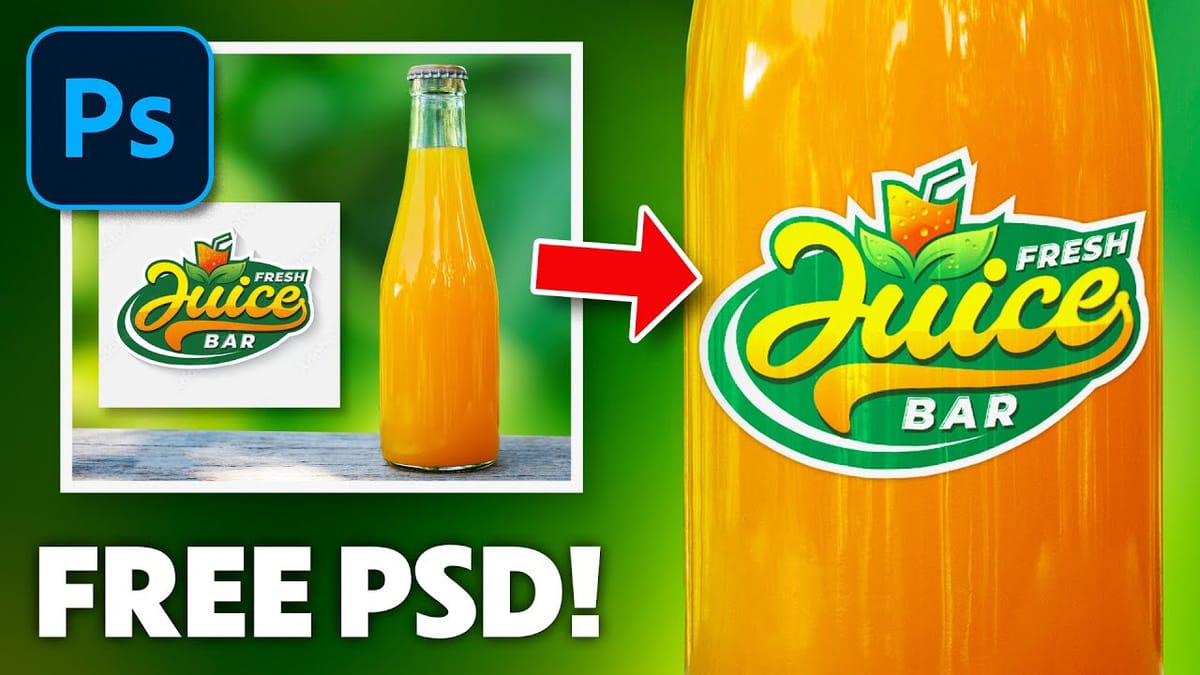
Place a logo onto a bottle in Photoshop [FREE PSD]
Learn to easily place any logo onto a bottle in Photoshop. This short tutorial is packed with information. You will learn about Smart Objects, Clipping Masks, Color Modes, and more. Download the free tutorial psd here… More
Easily create realistic mockups and templates in Photoshop
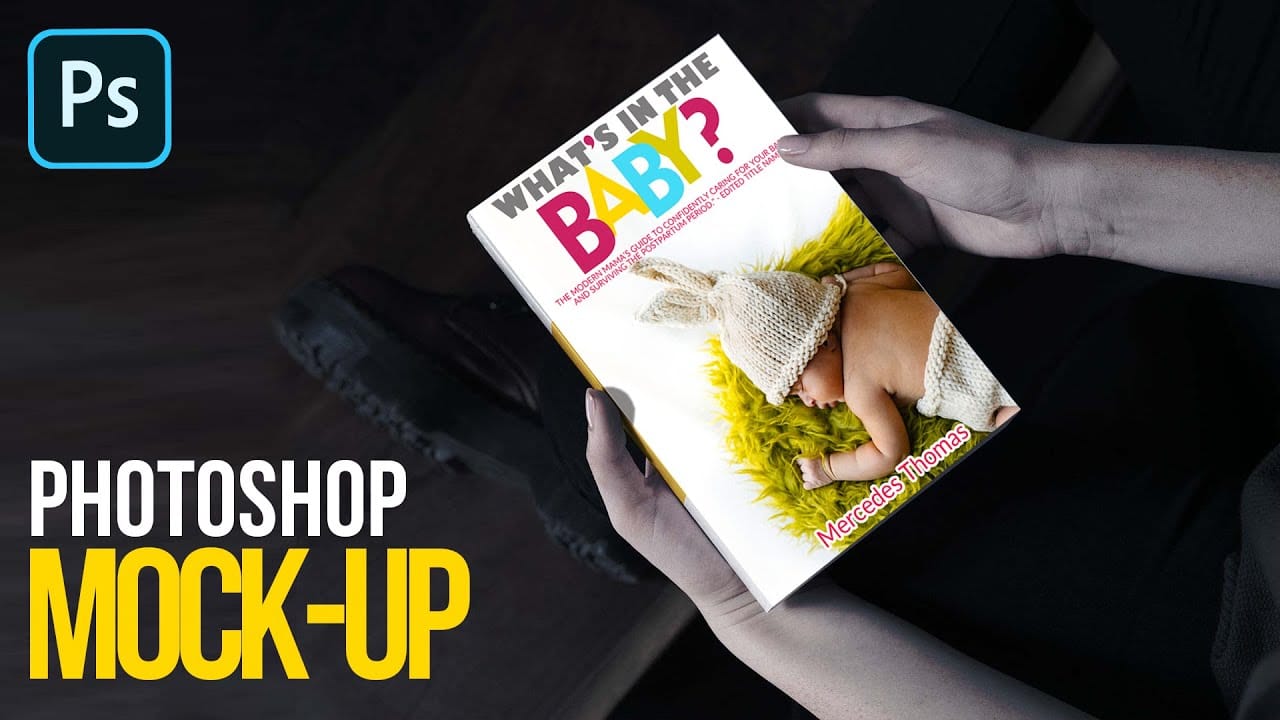
In this tutorial by Quistt, you'll discover how to craft realistic mockups and templates in Photoshop with ease. This comprehensive guide will walk you through the process of creating high-quality product showcases, whether you're designing for books, signs, t-shirts, or various other merchandise. You'll learn to utilize Photoshop's powerful tools and features to produce mockups that look both professional and authentic. The tutorial covers techniques for adding realistic details and ensuring y
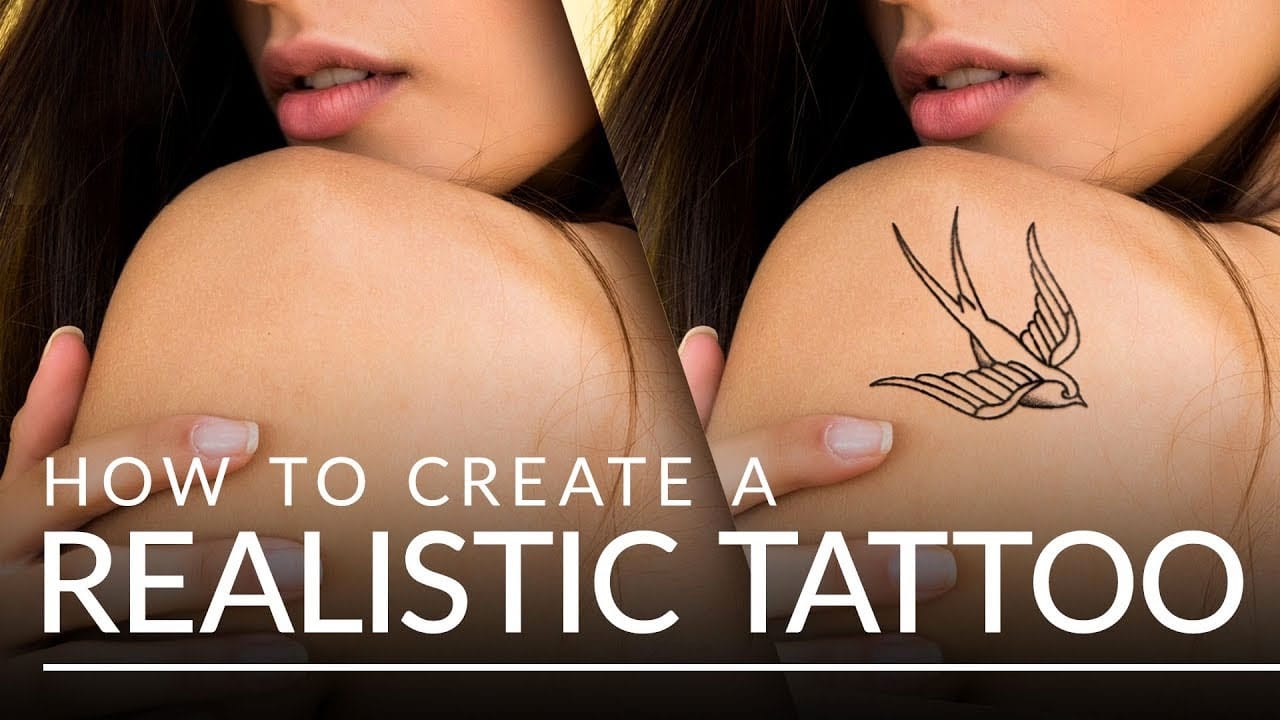
Create a realistic tattoo out of any design in Photoshop
This tutorial by Aaron Nace from Phlearn, will show you how to transform any design into a realistic-looking tattoo using Photoshop. Aaron demonstrates various tools and techniques to achieve a natural and authentic appearance. One key step is leveraging filters to introduce variation in the lines, which helps create a more realistic tattoo look. The Liquify Tool and Smudge Tool are also utilized to follow the contours of the body, ensuring a seamless integration of the design. Furthermore, th
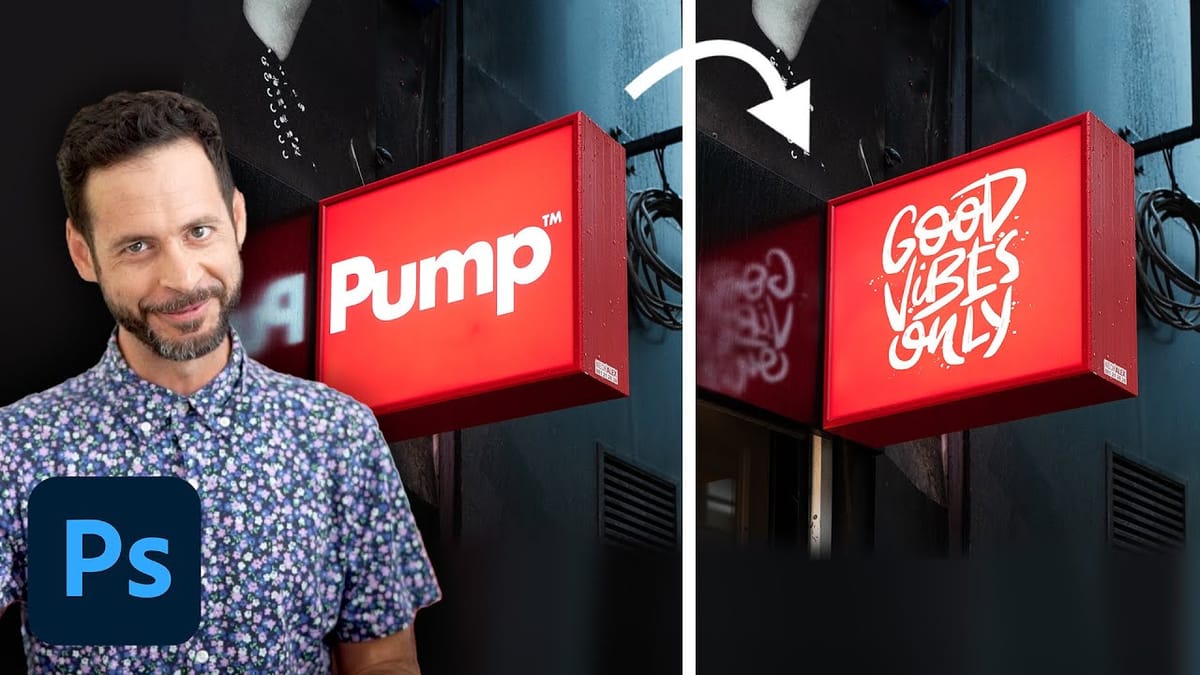
How to replace a sign for mockups in Photoshop
Today we show you how to add your own text and logos to a sign in Photoshop! Learn how to remove existing graphics from a photographed sign, place your own graphics in proper perspective, and work using multiple Photoshop documents that update in real time as you make changes. Download the Sample Images & PSD […] More

Get tutorials & freebies delivered to you.

Subscribe to the Photoshop Roadmap newsletter, a weekly roundup of new tutorials, insights and quality downloads, trusted by 6500+ readers.

You might also like

10 Photoshop Tricks You Probably Forgot Exist

There’s a funny pattern with Photoshop. The longer you use it, the more you rely on the same small set of tools… while some of the most powerful techniques quietly fade into the background. Not because they stopped working — but because they’re just a bit hidden, or not...

Add Floral Patterns to Black Dresses Using Brushes in Photoshop

Transform plain black clothing into vibrant, patterned garments using custom brushes and strategic layer blending. This non-destructive technique combines precise selections with clipping masks to paint realistic floral designs directly onto fabric while preserving the original photograph. The method works particularly well on black materials because the hard light blend...

How to Replace Objects Using Reference Images in Photoshop Generative Fill

Reference images transform Generative Fill from a text-based tool into a precise visual command system. Instead of describing what you want, you show the AI exactly which object to create, leading to more accurate and predictable results. This technique works by combining traditional selection tools with the new reference image...

How to Use Blend If Sliders for Pixel-Perfect Transparency in Photoshop

Blend If sliders control transparency based on brightness levels, making complex selections unnecessary. Understanding how these two simple sliders work with RGB channels opens up precise compositing possibilities that would otherwise require multiple masks and selections. The technique works by targeting specific brightness ranges from 0 to 255, allowing you...

How to Create a Double Exposure Effect in Photoshop Using Screen Blend Mode

Double exposure effects transform ordinary portraits into striking artistic compositions by blending two images seamlessly. This technique works best with high-contrast images—silhouettes against bright backgrounds paired with nature scenes or textures. The key to successful double exposures lies in the contrast between light and dark areas. When you combine...

You’ve successfully subscribed to Photoshop Roadmap
Welcome back! You’ve successfully signed in.
Great! You’ve successfully signed up.
Success! Your email is updated.
Your link has expired
Success! Check your email for magic link to sign-in.