Transform Black to Any Color in Photoshop, Including White: Best Method

Transform Black to Any Color in Photoshop, Including White: Best Method

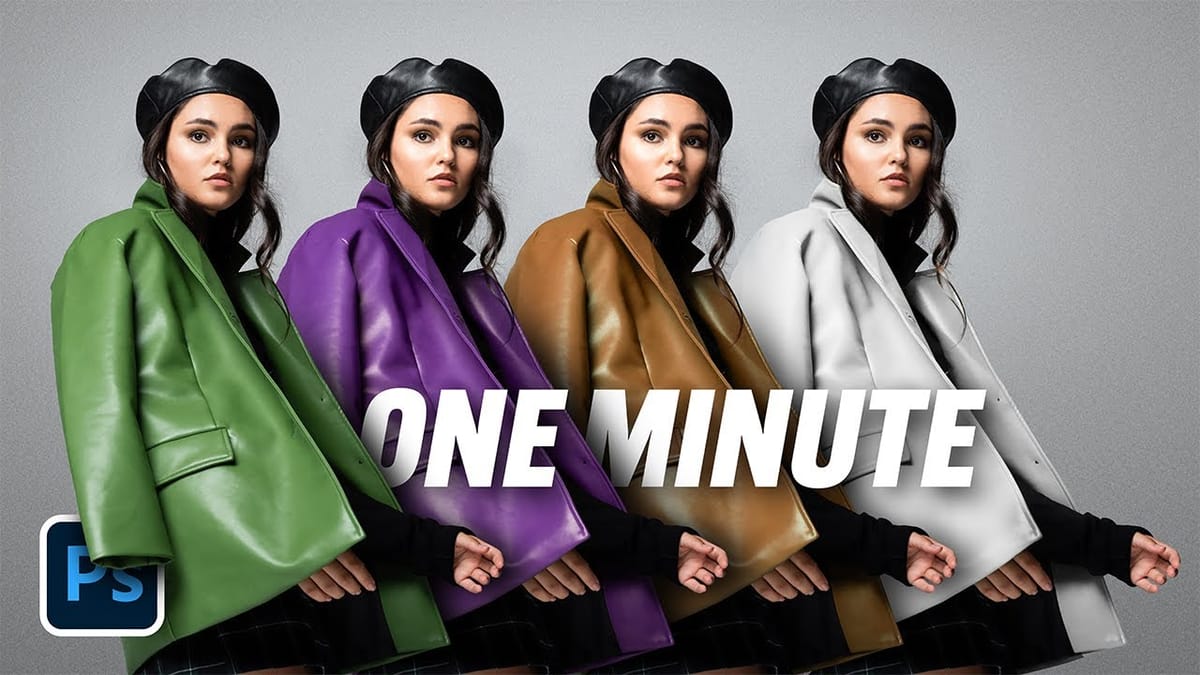
Changing the color of a black object in Photoshop can be a surprisingly frustrating task. Standard color adjustment tools often fail because pure black contains no hue or saturation data to manipulate, leaving designers and retouchers searching for a more effective solution.

This tutorial demonstrates a powerful and flexible method for recoloring black objects, allowing you to turn them into any color you choose—even solid white. By learning this non-destructive technique, you can gain precise control over your edits and integrate a reliable new skill into your creative workflow.

Watch the Tutorial

Any links or downloads mentioned by the creator are available only on YouTube

The Challenge of Recoloring Absolute Black

In digital imaging, color is typically defined by three components: hue, saturation, and brightness (or luminosity). Pure black has a brightness value of zero, meaning it reflects no light. Consequently, it has no hue or saturation information for Photoshop's standard color-shifting tools, like the Hue/Saturation adjustment, to modify. You can't change the color of something that, digitally speaking, has no color to begin with.

The solution, therefore, is not to change the existing color but to add new color and luminosity information on top of the black area. This is why effective techniques rely on layers and blending modes. For instance, a Solid Color fill layer can introduce a new hue, while a blend mode like Screen adds the new color's light values to the underlying layer, making the black area visible as the new color. This approach fundamentally separates the new color from the original pixels, offering a non-destructive way to achieve the effect.

Advanced control can be achieved using tools like the Blend If sliders, which allow you to precisely target which tonal ranges are affected by the new color layer. By telling Photoshop to apply the new color only to the darkest parts of the underlying layer, you can create a clean and seamless color transformation without needing to make complex manual selections. This level of control is key to achieving professional results.

Key Techniques for Recoloring Black

  • Use a Solid Color fill layer for a non-destructive workflow that allows you to change the color easily at any time.
  • Set the fill layer's blend mode to Screen to add both color and brightness, which is essential for making black pixels visible as a new color.
  • Create a precise layer mask to isolate the color change, ensuring it only affects the intended black object.
  • For finer control, use the Blend If sliders in the Layer Style dialog to target only the darkest pixels automatically.

More Tutorials on Color Manipulation in Photoshop

Explore more techniques for precise color adjustments and creative effects in your projects.

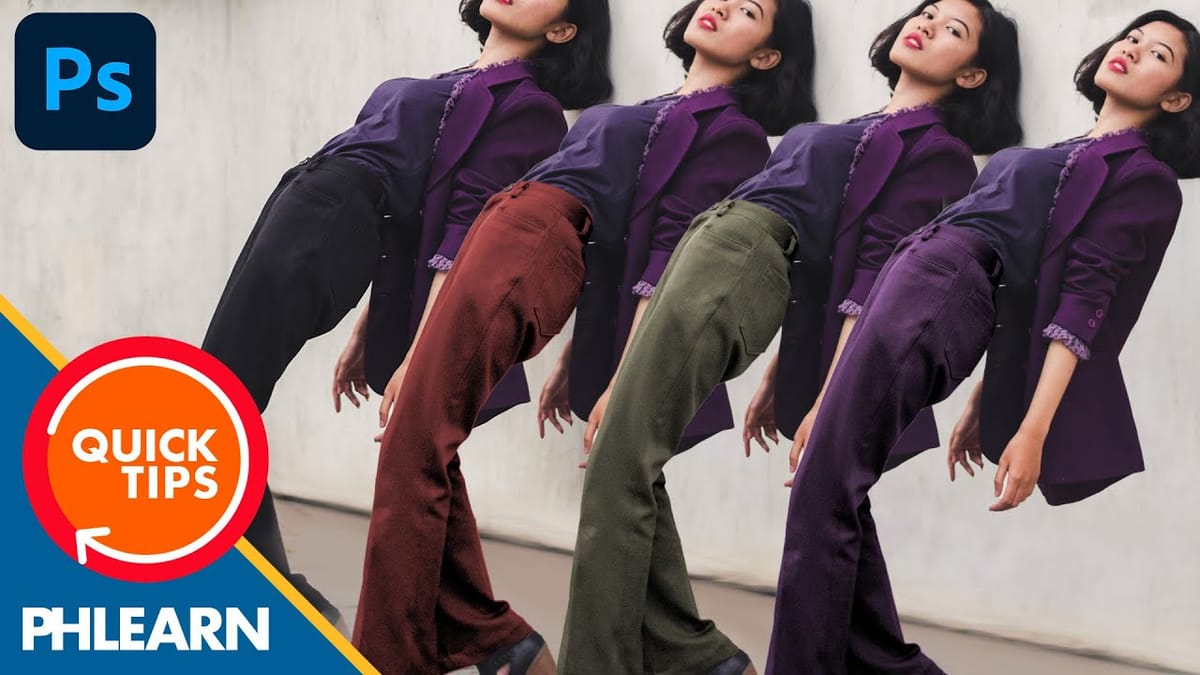
How to Change Black into Any Color in Photoshop
Learn how to use Levels and Hue/Saturation Adjustments to turn black into any color in Photoshop. Great for fashion and product photo retouching. Download the Sample Image here… More
The easiest way to change any color in Photoshop
Changing the color of specific elements within an image can often be a frustrating challenge for designers and photographers. Achieving a precise color shift without affecting surrounding areas, or dealing with complex selections, often leads to a time-consuming and imperfect process. This guide introduces a highly efficient method utilizing Photoshop’s
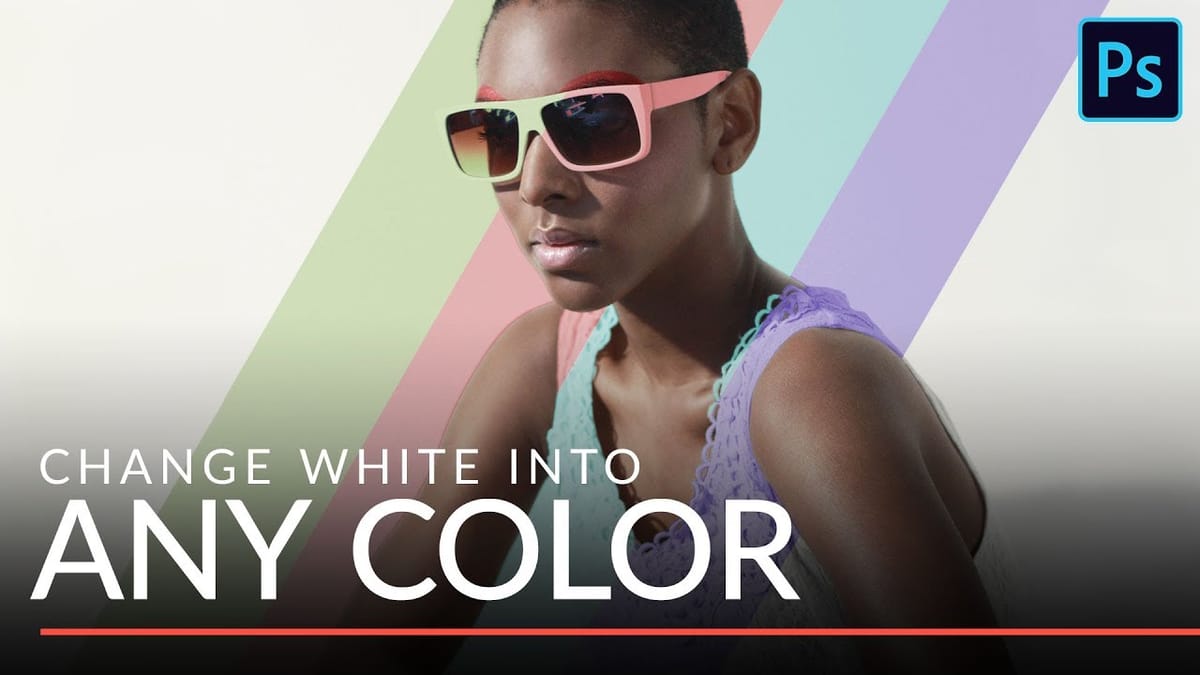
Change white into any color in Photoshop
In this tutorial Aaron Nace from Phlearn, will show you how to make insanely accurate selections and use them to change white clothes and a white background into any color that you want. This incredibly versatile technique will allow you to change any white elements in an image to any

Get tutorials & freebies delivered to you.

Subscribe to the Photoshop Roadmap newsletter, a weekly roundup of new tutorials, insights and quality downloads, trusted by 6500+ readers.

You might also like

How to Use Reference Images with Generative Fill in Photoshop

Generative Fill transforms when you replace text prompts with actual images. Instead of describing what you want, you show the AI exactly what to create using reference photos. This feature works for adding objects like toys and electronics, or swapping clothing items with precise visual control. The AI automatically matches...

Photoshop's Generative Fill Gets Major Upgrade: New Model Comparison and Quality Test

Adobe's latest Generative Fill update brings the new Firefly Fill and Expand model with double the resolution and dramatically improved quality for generating people, hands, and complex objects. The upgrade moves from 1024x1024 to 2048x2048 pixel output, allowing for larger selections without quality loss. This comprehensive comparison tests...

How to Create a Custom Chain Brush in Photoshop

Custom chain brushes unlock creative possibilities for digital artwork, fantasy scenes, and decorative designs. This technique transforms a basic chain image into a seamless, paintable brush that automatically links segments together as you draw. The process combines image preparation, background removal, and precise brush settings to create a tool that...

Using Gemini 3 Nano Banana Pro for AI Photo Restoration in Photoshop

Old photographs tell stories, but damage from age, fading, and color casts can make them difficult to appreciate. While traditional photo restoration requires advanced skills and hours of manual work, new AI models are changing the game. The key is finding one that repairs damage without changing how people actually...

7 Essential Photoshop Shortcuts for Digital Illustrators

Digital illustration in Photoshop becomes significantly faster when you master the right shortcuts and viewing techniques. The biggest challenge illustrators face is objectively evaluating their own work—spotting errors that would be obvious in someone else's art. These seven shortcuts focus on two key areas: seeing your work...

When to Use Saturation vs Vibrance for Better Color Enhancement

While vibrance gets praised for being "gentler" than saturation, the reality is more nuanced. Saturation works like a universal volume knob, boosting all colors equally, while vibrance acts like a smart equalizer, selectively enhancing less saturated areas first. Understanding when each approach serves your creative vision makes the...

You’ve successfully subscribed to Photoshop Roadmap
Welcome back! You’ve successfully signed in.
Great! You’ve successfully signed up.
Success! Your email is updated.
Your link has expired
Success! Check your email for magic link to sign-in.