Create an Abstract Liquid Glass Dispersion Effect in Photoshop

Create an Abstract Liquid Glass Dispersion Effect in Photoshop

Abstract liquid glass effects combine the ethereal beauty of flowing water with the crystalline clarity of glass, creating mesmerizing visual compositions. These effects transform simple geometric shapes into complex, organic forms that appear to bend and flow like liquid while maintaining the reflective qualities of glass surfaces.

This technique opens up creative possibilities for digital artists, graphic designers, and visual effects enthusiasts. The process involves building custom displacement maps and applying strategic distortion filters to achieve realistic liquid movement and glass-like transparency.

Watch the Tutorial

Video by P A N T E R. Any links or downloads mentioned by the creator are available only on YouTube

Understanding Glass Distortion Effects

The physics behind glass distortion involve light refraction and surface irregularities that bend and scatter light rays. Digital recreation of these effects requires careful manipulation of pixel displacement using custom patterns and mathematical curves. The key lies in creating displacement maps that control how pixels shift to simulate the way light bends through uneven glass surfaces.

Traditional glass effects in digital art often rely on simple transparency adjustments or basic blur filters. However, authentic liquid glass effects require a more sophisticated approach that combines geometric precision with organic flow patterns. The technique shown in this tutorial uses multiple gradient layers as displacement sources, creating the foundation for realistic glass distortion.

Professional glass effects typically involve three core elements: displacement mapping for surface irregularities, color manipulation for transparency, and strategic blurring for depth simulation. Each element contributes to the overall realism of the final effect.

Practical Tips for Liquid Glass Effects

  • Save your displacement pattern as a separate PSD file before applying filters to maintain editing flexibility and reuse the pattern for future projects
  • Use Ctrl + Alt + Shift + T repeatedly to duplicate line patterns quickly and maintain consistent spacing between elements
  • Apply Gaussian blur to your displacement map before using the Glass filter to create smoother, more natural distortion transitions
  • Convert your base shapes to Smart Objects before applying distortion filters to preserve the original geometry and enable non-destructive editing
  • Combine multiple distortion filters like Glass and Twirl in sequence to create more complex, organic-looking liquid movements

Explore more advanced dispersion and glass effect techniques with these comprehensive guides.

Create Realistic Wet Glass Effect in Photoshop
Create the Most Realistic Wet Glass or Window Effect with Natural Reflections & Textures in Photoshop! In this comprehensive tutorial, we will explore the art of blending three distinct textures to construct a captivating water droplet effect, authentic condensation, and the weathered appearance of glass, all culminating in a truly immersive visual experience. Through the mastery of advanced blending modes, strategic masking techniques, and the deft application of specialized brushes, we will b
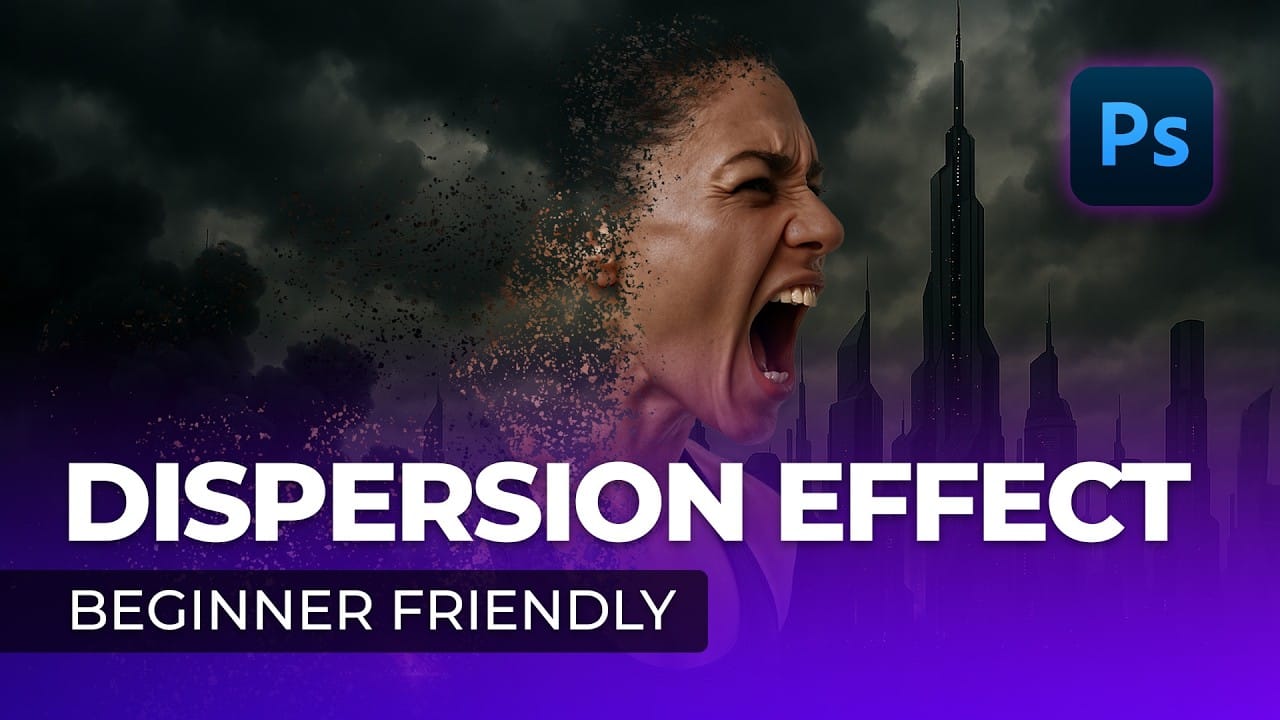
Creating a Dispersion Effect in Photoshop
The dispersion effect transforms ordinary portraits into dynamic artwork by creating the illusion that parts of the subject are breaking apart and scattering into particles. This popular technique adds movement and drama to static images, making them perfect for creative projects, album covers, or eye-catching social media content. This tutorial demonstrates a streamlined approach to creating professional dispersion effects using Photoshop's built-in tools. The process combines automated backgr
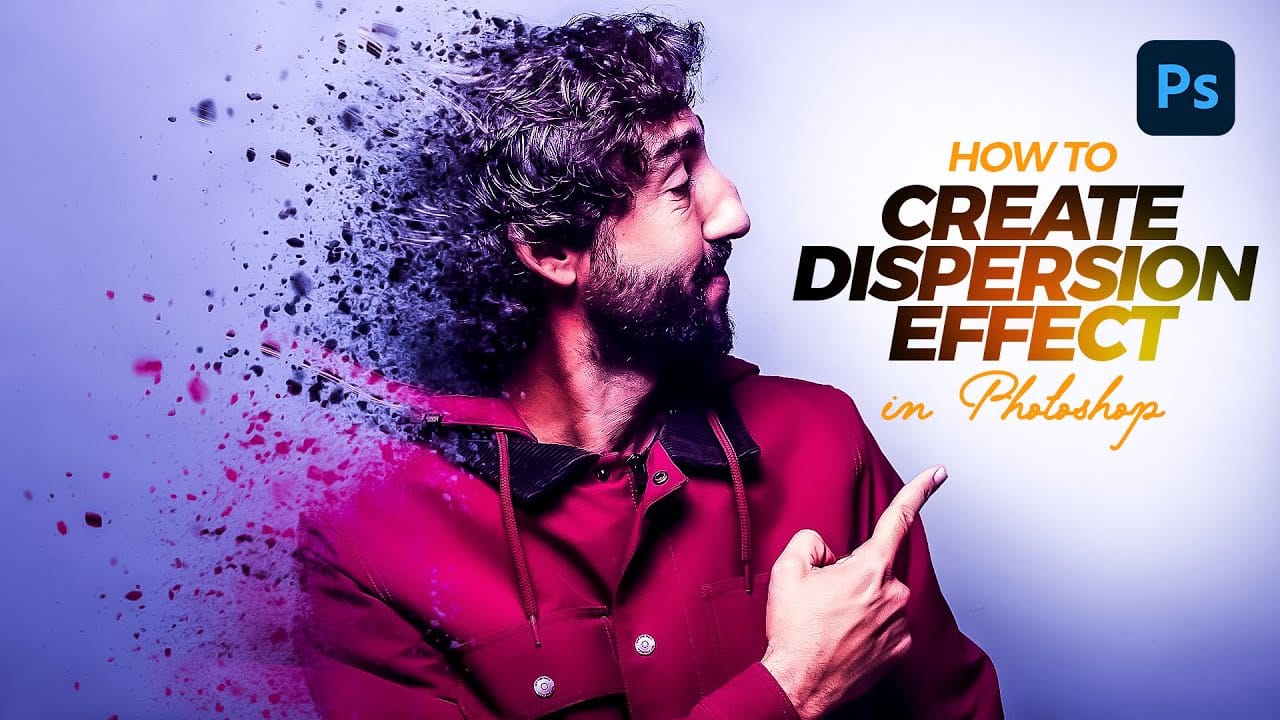
Create a Dispersion Effect in Photoshop
The dispersion effect transforms ordinary photographs into dynamic artwork, creating the illusion that parts of the subject are breaking apart and scattering into particles. This popular technique adds movement and a surreal quality to static images, making them ideal for creative projects and eye-catching digital content. This tutorial provides a step-by-step guide to achieving a professional dispersion effect using Photoshop's versatile tools. You will learn how to combine custom brushes, lay
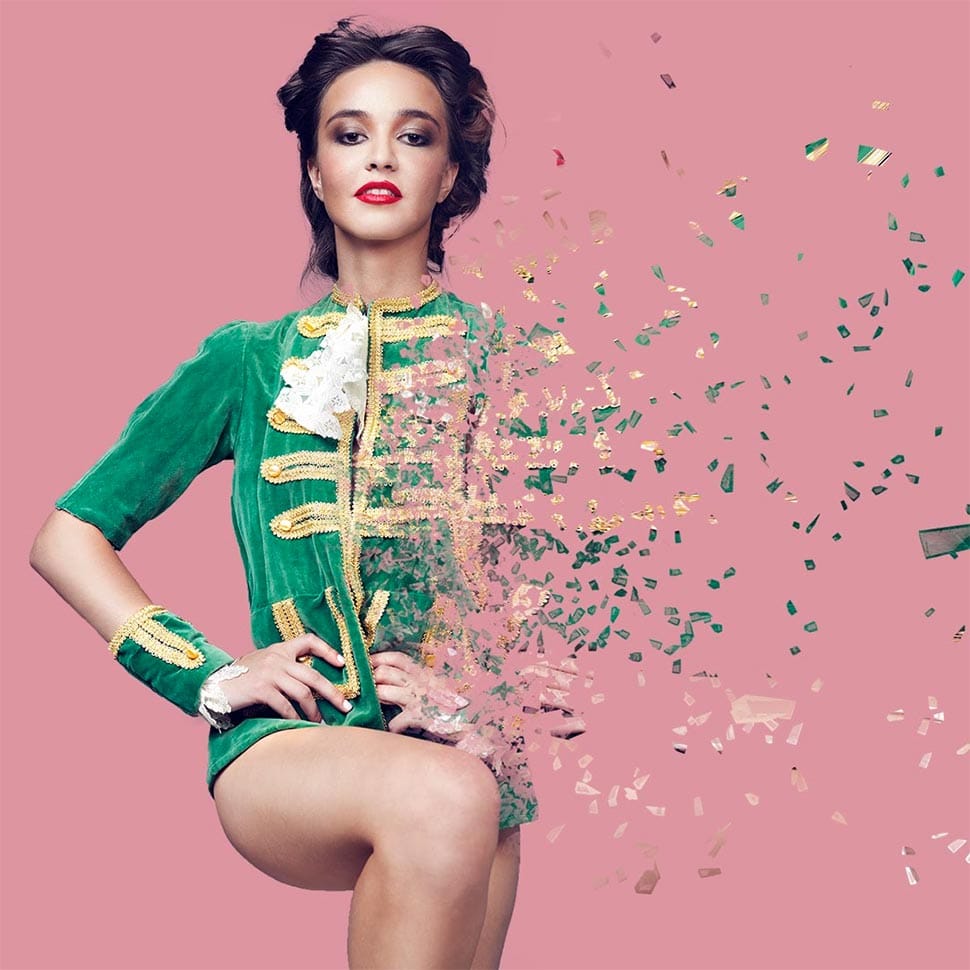
Create a amazing dispersion effect in Photoshop
This tutorial will show you how to make a photo of a model dissolving into flying particles. It's a simple process that only requires a few steps. First, the user will learn techniques to improve the colors of the image. They'll adjust the levels and curves to enhance the vibrancy and contrast of the photograph. This will help the dispersion effect stand out more prominently. Then, the user will apply the dispersion effect, making the model appear to break apart into small pieces that drift aw

Get tutorials & freebies delivered to you.

Subscribe to the Photoshop Roadmap newsletter, a weekly roundup of new tutorials, insights and quality downloads, trusted by 6500+ readers.

You might also like

Create a Liquid Gel Logo Effect in Photoshop

Liquid gel effects transform flat logos into dimensional, glossy designs that appear to bubble and flow. This technique uses multiple layer styles and strategic duplication to build depth, creating surfaces that catch light like thick, viscous liquid. The method combines gradient overlays, bevel effects, and inner glows across several duplicated...

How to Use Photoshop's AI Sharpen Filter and When It's Worth the Cost

Photoshop's new AI Sharpen filter promises one-click sharpening powered by advanced algorithms. This tool uses technology from Topaz Labs to enhance image details without manual adjustments, but it comes with a significant cost in credits. Understanding when to use this automated approach versus traditional methods like the High...

How to Use Harmonize and Generative Upscale Tools in Photoshop

Creating realistic photo composites requires matching lighting and color between different images—a traditionally time-consuming process. Two new AI-powered tools in Photoshop solve these challenges: Harmonize automatically adjusts lighting and shadows to blend subjects seamlessly into backgrounds, while Generative Upscale enlarges small images without losing detail. These tools work together...

How to Create Convincing Scale Effects in Photoshop Composites

Creating believable scale effects requires more than simply resizing objects—it demands understanding how light, perspective, and atmospheric conditions change with distance. When tiny subjects appear massive or giant objects seem miniature, viewers should feel the illusion is completely natural. This technique combines careful attention to lighting consistency, depth cues,...

How to Flip Images Horizontally and Vertically in Photoshop

Flipping images is a fundamental technique that can dramatically change the composition and impact of your photos. Whether you need to correct the orientation of a subject, create mirror effects, or simply improve the visual flow of your design, knowing how to quickly flip images both horizontally and vertically gives...

How to Use Nano Banana Pro in Photoshop for Background Replacement and Scene Changes

Nano Banana Pro transforms how you place subjects into new environments in Photoshop. This advanced AI model maintains perfect subject likeness while seamlessly integrating them into any background you can imagine. The tool excels at matching lighting, preserving facial features, and even adapting clothing to complement new scenes, all through...

You’ve successfully subscribed to Photoshop Roadmap
Welcome back! You’ve successfully signed in.
Great! You’ve successfully signed up.
Success! Your email is updated.
Your link has expired
Success! Check your email for magic link to sign-in.