Creating a Colorful Pixelated Effect in Photoshop

Creating a Colorful Pixelated Effect in Photoshop

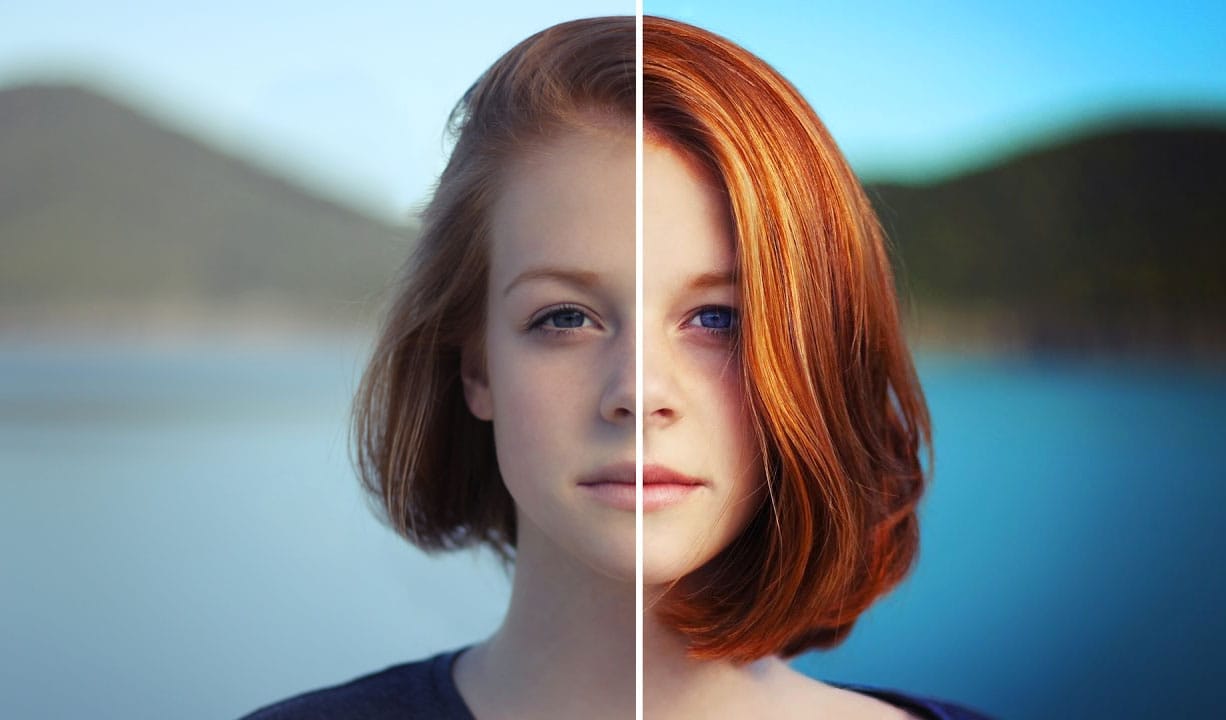
The colorful pixelated effect transforms ordinary photographs into vibrant, retro-style artwork reminiscent of 8-bit video games and digital pop art. This distinctive visual style combines traditional mosaic filtering with advanced color manipulation to create bold, simplified imagery that captures attention.

This technique works particularly well for portraits, creating striking poster-like results that blend nostalgic pixel aesthetics with modern design sensibilities.

Watch the Tutorial

Video by P A N T E R. Any links or downloads mentioned by the creator are available only on YouTube

Understanding Digital Pixelation and Color Reduction

Digital pixelation in graphic design serves as both a nostalgic callback and a powerful simplification tool. The effect mimics the visual constraints of early computer graphics while creating modern artistic interpretations. Mosaic filtering creates the basic pixel structure by grouping neighboring pixels into uniform squares, establishing the foundation for the retro aesthetic.

Color reduction through posterization plays a crucial role in achieving authentic pixel art appearance. By limiting the color palette to just a few dominant tones, the effect mirrors the technical limitations of vintage gaming systems. This process eliminates subtle gradations and forces bold color transitions that define the pixel art style.

The combination of geometric pixelation and strategic color manipulation creates imagery that feels both technically constrained and artistically intentional. Modern implementations can enhance this effect through selective color adjustments and custom grid overlays that emphasize the digital nature of the final result.

Practical Tips for Colorful Pixelation Effects

  • Work with high-resolution images initially to ensure clean pixel boundaries and better color sampling before applying the mosaic filter
  • Convert layers to Smart Objects before applying filters to maintain non-destructive editing capabilities throughout the process
  • Use posterization levels of 2-4 for authentic pixel art color reduction while maintaining sufficient visual detail
  • Apply curves adjustments after pixelation to enhance contrast and make subject details more prominent within the simplified color palette
  • Create custom grid patterns with subtle highlight effects to emphasize individual pixels and enhance the retro digital aesthetic

Explore more techniques for creating vibrant, stylized imagery in Photoshop.

Create a colorful wallpaper in Photoshop
In this Photoshop tutorial by Andrei Oprinca, you'll learn how to create an abstract wallpaper with colorful elements and effects. Oprinca starts by creating a new document with a light gray gradient background, converting it into a smart object, and adding noise. He then extracts a model's hair using the pen tool and refines the edges with the refine edge tool. Various shapes are added using the brush tool, lasso tool, and gradient tool, along with adjustment layers to alter the color tone. Le
How to make colors pop in Photoshop
Kelvin Pimont from Kelvin Designs shares his insights on how to make colors pop in Photoshop. The author explains that this tutorial will teach you how to transform dull photographs into more dramatic and colorful images. According to the author, the key is to make local adjustments to colors and contrast. By selecting specific areas of the image, you can enhance the colors and create a more impactful photo. The author will guide you through the process, showing you the steps to achieve this re
How to Apply Graphics and Change Colors in Photoshop
Integrating graphics and adjusting colors are fundamental skills in Photoshop, enabling designers and artists to transform disparate elements into cohesive visual narratives. From compositing a logo onto a product image to blending text into a scene, mastering these techniques is crucial for achieving professional results. This video demonstrates practical methods for seamlessly applying graphics from one image to another, extracting specific elements like text, and efficiently changing their c
Colorful Graffiti Text Effect in Photoshop
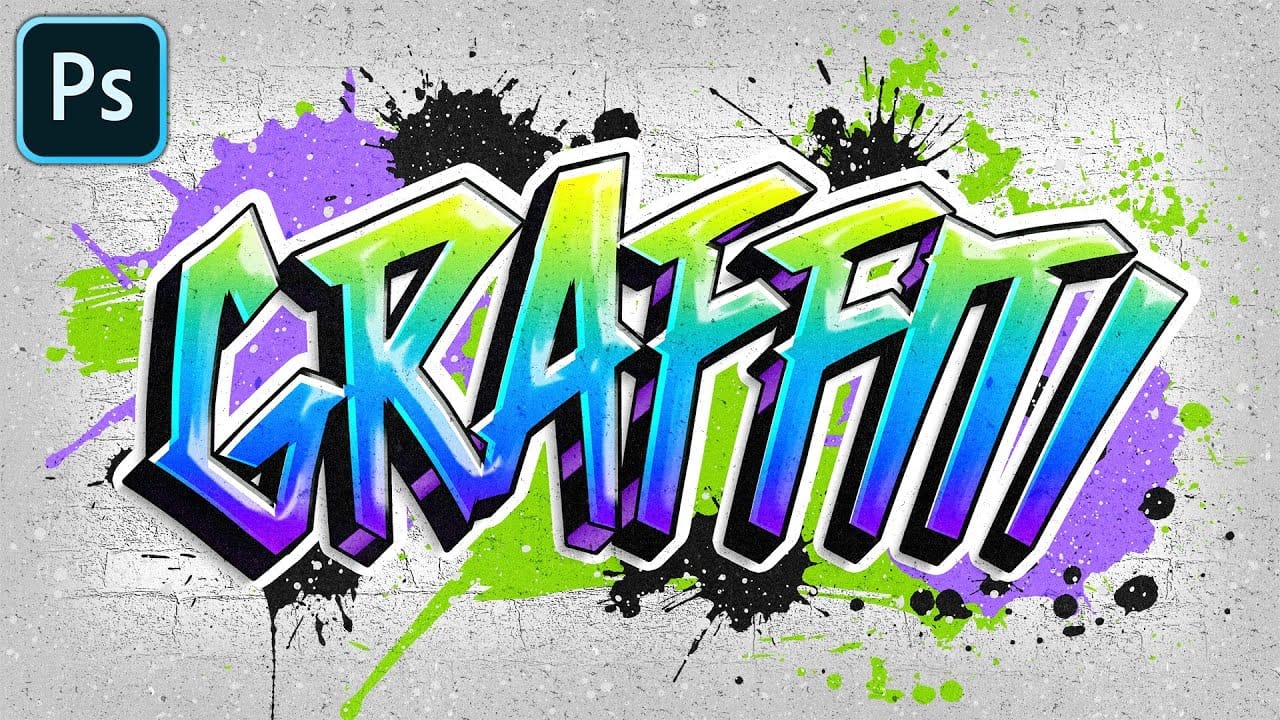
In this tutorial from PhoTuts, you'll learn to create a vibrant and editable graffiti text effect on a concrete wall using basic Photoshop techniques. Embracing an urban street art style, the tutorial guides you through transforming text into striking graffiti, complete with bold colors and realistic textures. Perfect for adding an edgy, contemporary flair to your designs, this tutorial offers insights into creating impactful digital art inspired by street culture. Watch tutorial

Get tutorials & freebies delivered to you.

Subscribe to the Photoshop Roadmap newsletter, a weekly roundup of new tutorials, insights and quality downloads, trusted by 6500+ readers.

You might also like

10 Photoshop Tricks You Probably Forgot Exist

There’s a funny pattern with Photoshop. The longer you use it, the more you rely on the same small set of tools… while some of the most powerful techniques quietly fade into the background. Not because they stopped working — but because they’re just a bit hidden, or not...

Add Floral Patterns to Black Dresses Using Brushes in Photoshop

Transform plain black clothing into vibrant, patterned garments using custom brushes and strategic layer blending. This non-destructive technique combines precise selections with clipping masks to paint realistic floral designs directly onto fabric while preserving the original photograph. The method works particularly well on black materials because the hard light blend...

How to Replace Objects Using Reference Images in Photoshop Generative Fill

Reference images transform Generative Fill from a text-based tool into a precise visual command system. Instead of describing what you want, you show the AI exactly which object to create, leading to more accurate and predictable results. This technique works by combining traditional selection tools with the new reference image...

How to Use Blend If Sliders for Pixel-Perfect Transparency in Photoshop

Blend If sliders control transparency based on brightness levels, making complex selections unnecessary. Understanding how these two simple sliders work with RGB channels opens up precise compositing possibilities that would otherwise require multiple masks and selections. The technique works by targeting specific brightness ranges from 0 to 255, allowing you...

How to Create a Double Exposure Effect in Photoshop Using Screen Blend Mode

Double exposure effects transform ordinary portraits into striking artistic compositions by blending two images seamlessly. This technique works best with high-contrast images—silhouettes against bright backgrounds paired with nature scenes or textures. The key to successful double exposures lies in the contrast between light and dark areas. When you combine...

You’ve successfully subscribed to Photoshop Roadmap
Welcome back! You’ve successfully signed in.
Great! You’ve successfully signed up.
Success! Your email is updated.
Your link has expired
Success! Check your email for magic link to sign-in.