How to Create a Retro 3D Text Design in Photoshop

How to Create a Retro 3D Text Design in Photoshop

Retro design remains captivating, offering a nostalgic aesthetic that enhances modern projects. Dynamic 3D text effects are a powerful way to integrate this vintage charm into digital art, transforming flat typography into eye-catching, dimensional elements.

This tutorial comprehensively guides you through creating compelling retro 3D text in Photoshop, teaching essential techniques for depth, intricate layer styles, and using Smart Objects for flexible, editable designs.

Watch the Video

Video by Blue Lightning. Any links or downloads mentioned by the creator are available only on YouTube

Understanding the 3D Text Workflow in Photoshop

Creating realistic 3D text in Photoshop without dedicated software involves a multi-layered approach. Depth is simulated by duplicating a base text layer, each copy incrementally shifted.

This allows precise control over the perceived depth and angle. Crucially, converting the initial text to a Smart Object links all duplicates, enabling non-destructive editing. Changes to the original Smart Object automatically update all instances, streamlining revisions.

Beyond layering, layer styles like gradients, patterns, bevels, and shadows are applied to different text parts to create the signature retro 3D effect. This combination simulates light, texture, and volume, achieving the bold, glossy, and colorful aesthetic reminiscent of 1980s typography.

Practical Tips for Creating Retro 3D Text

  • Utilize Smart Objects for your base text layer to enable non-destructive editing, allowing for easy updates to text content or font after creating the 3D effect.
  • Create the 3D depth by duplicating your text layer numerous times (e.g., 50 copies) and shifting each copy incrementally (e.g., one pixel up and one pixel left) to build a smooth extrusion.
  • Apply distinct Layer Styles to the deeper layers (e.g., Color Overlay, Bevel & Emboss) and the top layer (e.g., Gradient Overlay, Inner Shadow, Pattern Overlay) to define the text's body and surface appearance.
  • Efficiently apply layer styles to multiple depth layers by copying the style from one layer and pasting it to a selection of other layers.
  • Construct the surrounding stroke and shadow as separate elements, converting them into Smart Objects to allow for independent adjustments like blur filters for the shadow.

Discover more techniques for crafting various 3D text effects and retro-inspired designs in Photoshop.

How to Create a 3D Retro Text Effect in Adobe Photoshop
In this Adobe Photoshop tutorial by Spoon Graphics, you'll learn how to create a great-looking retro text effect. Using a mix of layer styles and clever Photoshop techniques, this tutorial guides you through the process step-by-step. The best part is that it utilizes Smart Objects, allowing you to non-destructively create the effect, meaning the original type element can still be updated to change the wording. This approach ensures flexibility and ease of editing while achieving a stylish retr
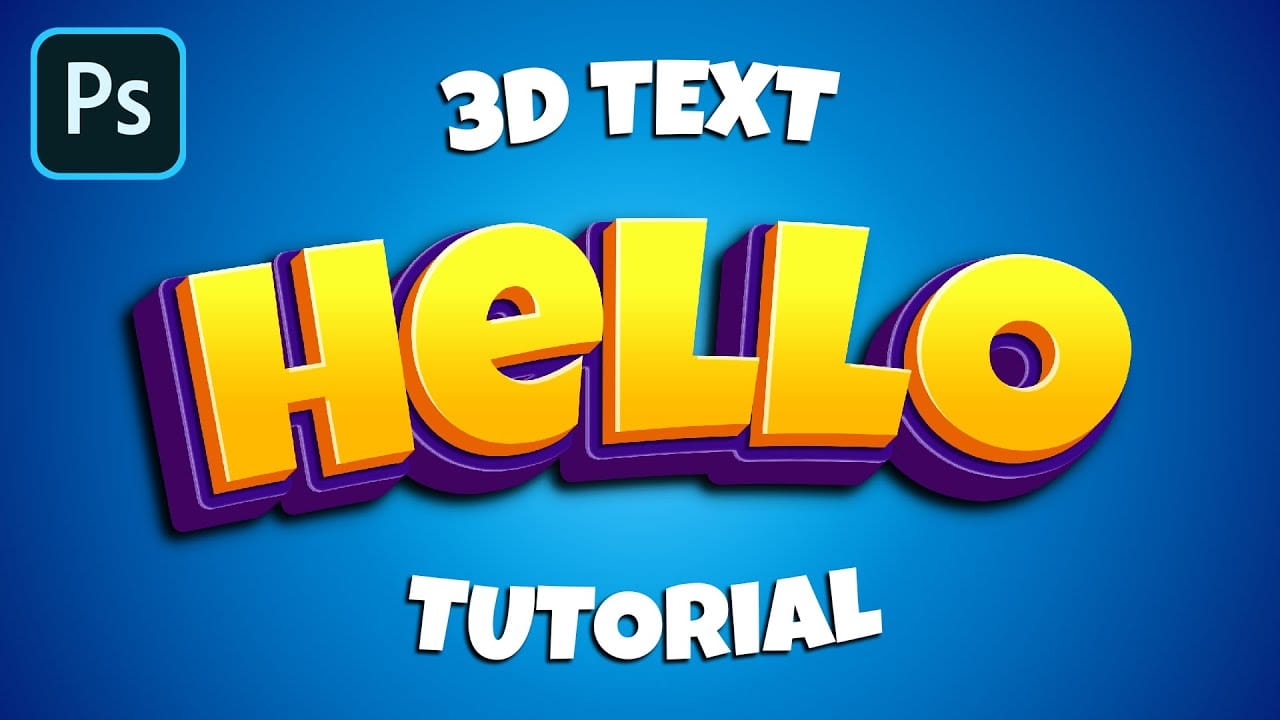
How to Make a Cartoon 3D Text in Photoshop
In this Photoshop tutorial by Learning Screen, you will learn how to create colorful, funny cartoon-style 3D text. The tutorial guides you through the process of using various Photoshop tools and techniques to achieve a vibrant, playful text effect that stands out. The resulting text is bold and eye-catching, perfect for playful and energetic designs. This tutorial is ideal for projects like posters, children's book covers, or any other creative work that benefits from a fun and dynamic headlin
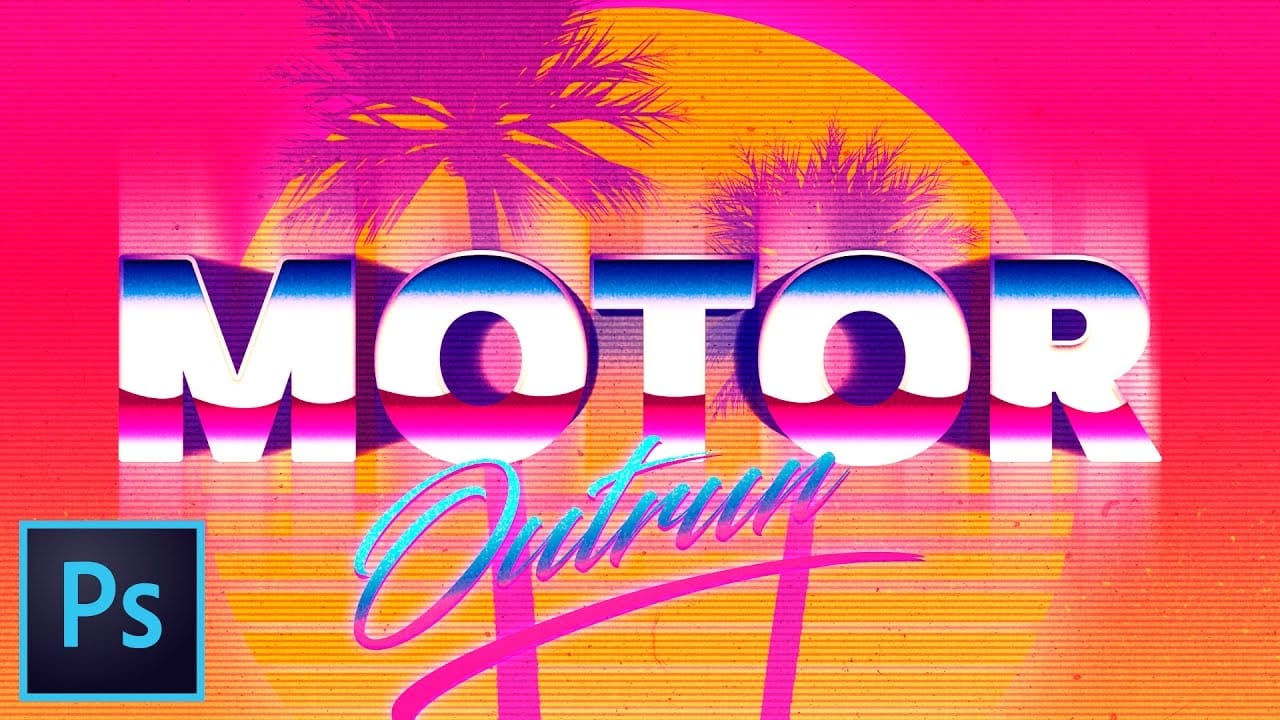
Create an Outrun-style retro text effect in Photoshop
In this Photoshop tutorial by Nathaniel Dodson from TutVid, you'll learn how to create an Outrun-style video game text effect. By using gradients, textures, colors, and text, the tutorial guides you through the process of creating various "Outrun" style works of art. This comprehensive tutorial covers everything you need to know to achieve the vibrant and retro aesthetic characteristic of the Outrun genre. Watch tutorial
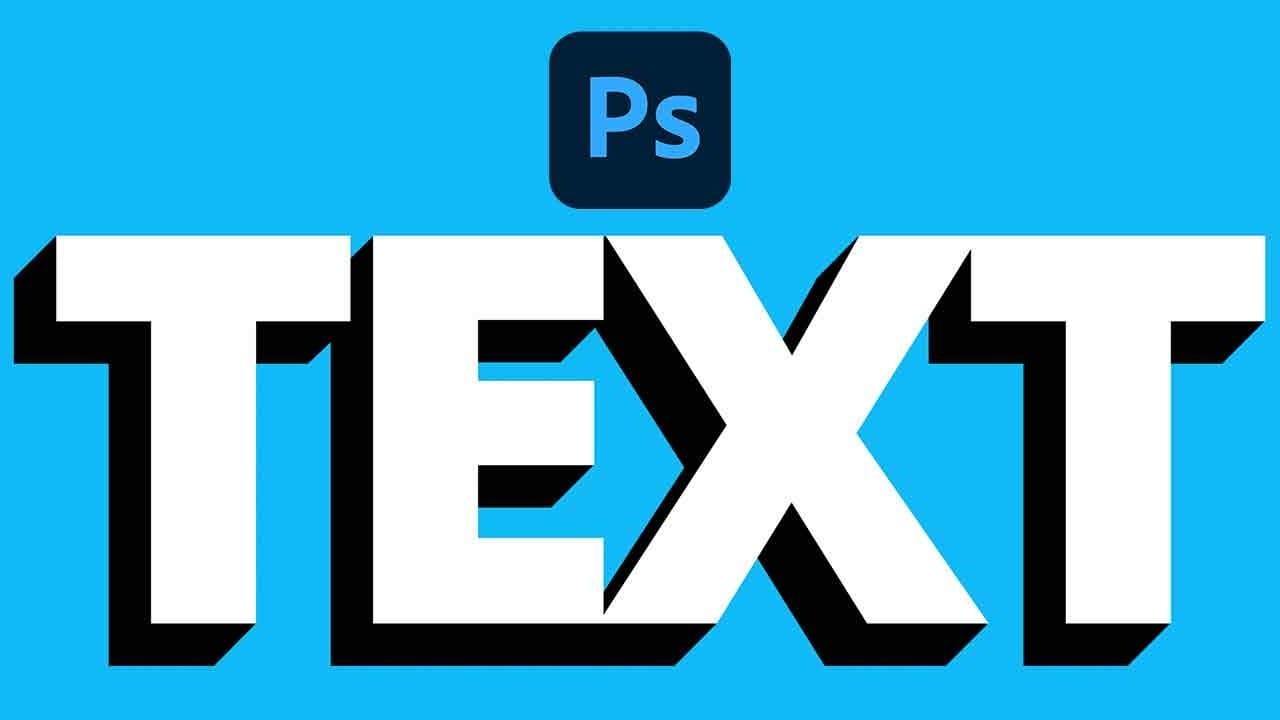
Easily Create 3D Text in Photoshop
This Photoshop tutorial guides you through the process of creating striking 3D text effects with ease. You will learn step by step how to achieve a bold, three-dimensional look starting from text duplication. Using essential shortcuts like Command + Option + Shift + T on Mac or Control + Alt + Shift + T on Windows, you can efficiently position layers to form the 3D effect. The tutorial emphasizes the importance of grouping layers, which will streamline your workflow significantly. Additionally

Get tutorials & freebies delivered to you.

Subscribe to the Photoshop Roadmap newsletter, a weekly roundup of new tutorials, insights and quality downloads, trusted by 6500+ readers.

You might also like

How to Enhance Skin Tones Using Gradients in Photoshop

Skin tones often appear washed out or lifeless in photographs due to challenging lighting conditions or camera settings. This gradient-based technique brings vibrancy back to portraits while creating natural-looking dimensional highlights that draw the viewer's eye to key facial features. The method uses Color Range selections combined with...

7 Signs You're a Photoshop Pro - Skill Assessment Guide

Professional Photoshop mastery isn't about memorizing every menu or filter. It's about developing efficient workflows, understanding core concepts, and building muscle memory for essential techniques. Real pros focus on the right tools for their specific needs rather than trying to learn everything. This comprehensive assessment covers...

How to Use Generative Upscale with Multiple AI Models in Photoshop

Pixelated vintage photos and low-resolution images no longer need to stay small. Photoshop's Generative Upscale feature now offers multiple AI models to enlarge images up to 4x their original size while adding remarkable detail and clarity. This new feature includes three distinct AI models—Adobe's Firefly...

Create a Pointillism Effect in Photoshop

Pointillism, the late 19th-century painting technique that uses small dots of color to form images, creates a distinctive artistic look where colors blend optically when viewed from a distance. This digital recreation technique transforms ordinary photographs into artwork that mimics the style of masters like Paul Signac. The process combines...

How to Convert WebP to JPEG in Bulk Using Image Processor

Converting large folders of WebP images to JPEG format can be time-consuming when done manually. Image Processor provides an efficient solution for batch conversion, automatically handling multiple files while maintaining quality settings and organization. This method works with any image format conversion and creates organized output folders, making it ideal...

How to Use Generative Credits in Adobe Creative Cloud: Standard vs Premium Features

Adobe's generative AI features transform how creatives work, but understanding which tools consume credits can save you time and budget frustration. The credit system divides features into standard and premium tiers, with different consumption rates based on processing complexity. Knowing the difference between assistive AI tools that cost...

You’ve successfully subscribed to Photoshop Roadmap
Welcome back! You’ve successfully signed in.
Great! You’ve successfully signed up.
Success! Your email is updated.
Your link has expired
Success! Check your email for magic link to sign-in.