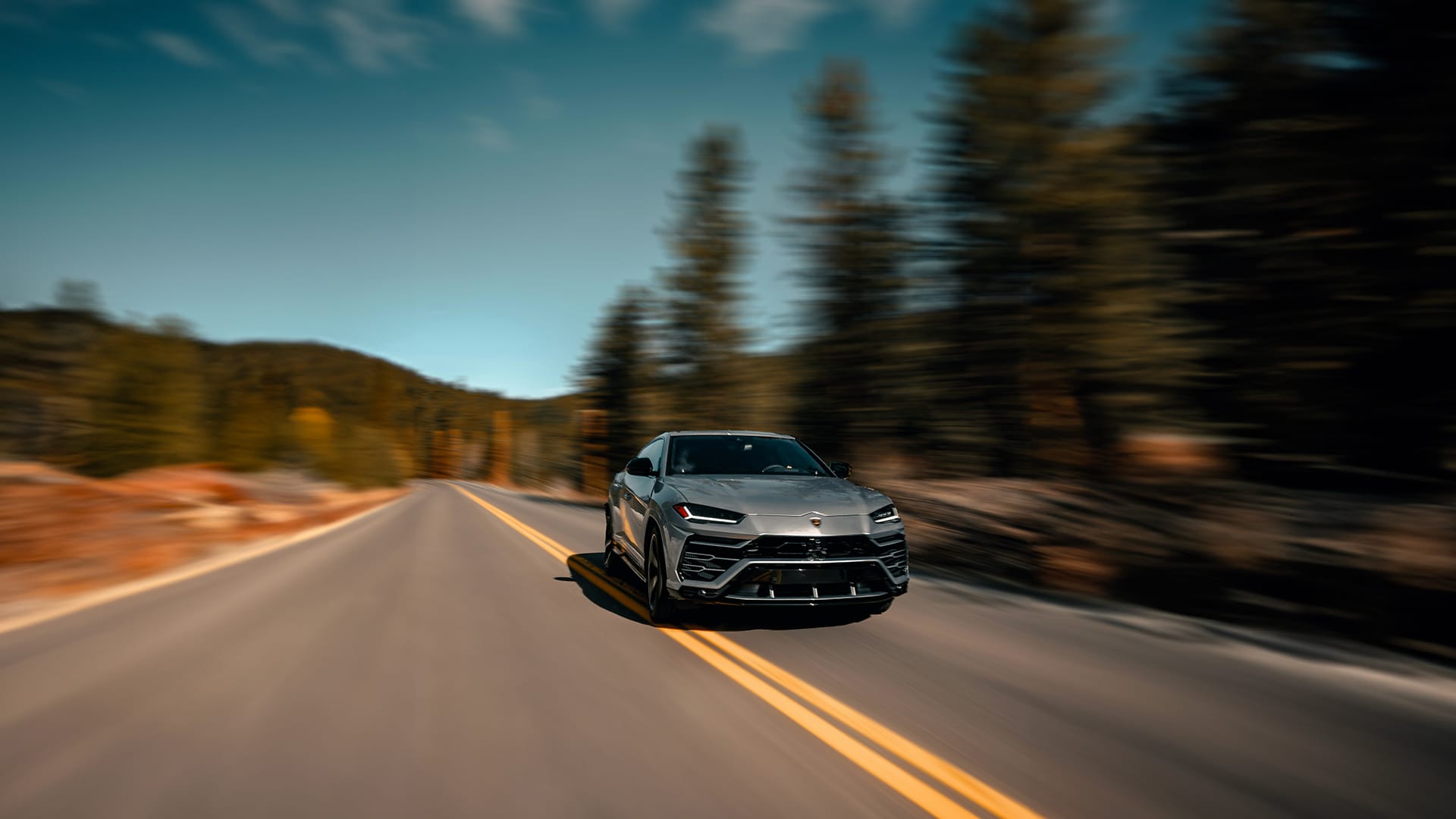
How to Create a Speed Motion Effect in Photoshop

How to Create a Speed Motion Effect in Photoshop

Static cars can appear to race down highways with the right motion blur techniques. This effect transforms ordinary photos into dynamic scenes that capture the sensation of speed and movement.

The process combines path blur, spin blur, and custom smoke effects to create realistic motion that follows perspective lines and adds atmospheric details.

Watch the Tutorial

Video by Photoshop Arthouse. Any links or downloads mentioned by the creator are available only on YouTube

Essential Tips for Motion Effects

  • Convert layers to smart objects before applying blur filters to maintain non-destructive editing capabilities throughout the project
  • Set different speed values at path endpoints when using Path Blur - zero at the front and higher values at the back create natural motion gradients
  • Use separate layers for wheel spin blur to control tire rotation independently from the main vehicle motion
  • Click multiple times instead of brushing when applying smoke effects to randomize size, angle, and direction for realistic dust trails
  • Apply layer masks with soft brushes to blend spinning wheels naturally with the motion-blurred car body

Explore more techniques for creating dynamic movement and blur effects in your photos.

How to Create a Speed Effect in Photoshop
This Photoshop tutorial offers clear guidance on blending graphics with portraits in an effective way. You will learn how to use the Super Zoom feature, which allows you to upscale graphics without compromising their resolution. This ensures that your images maintain a high quality, no matter how much you enlarge them. The tutorial also covers Gradient Maps, which help achieve better color matching between your portraits and graphics. Understanding this technique will enhance the overall look o
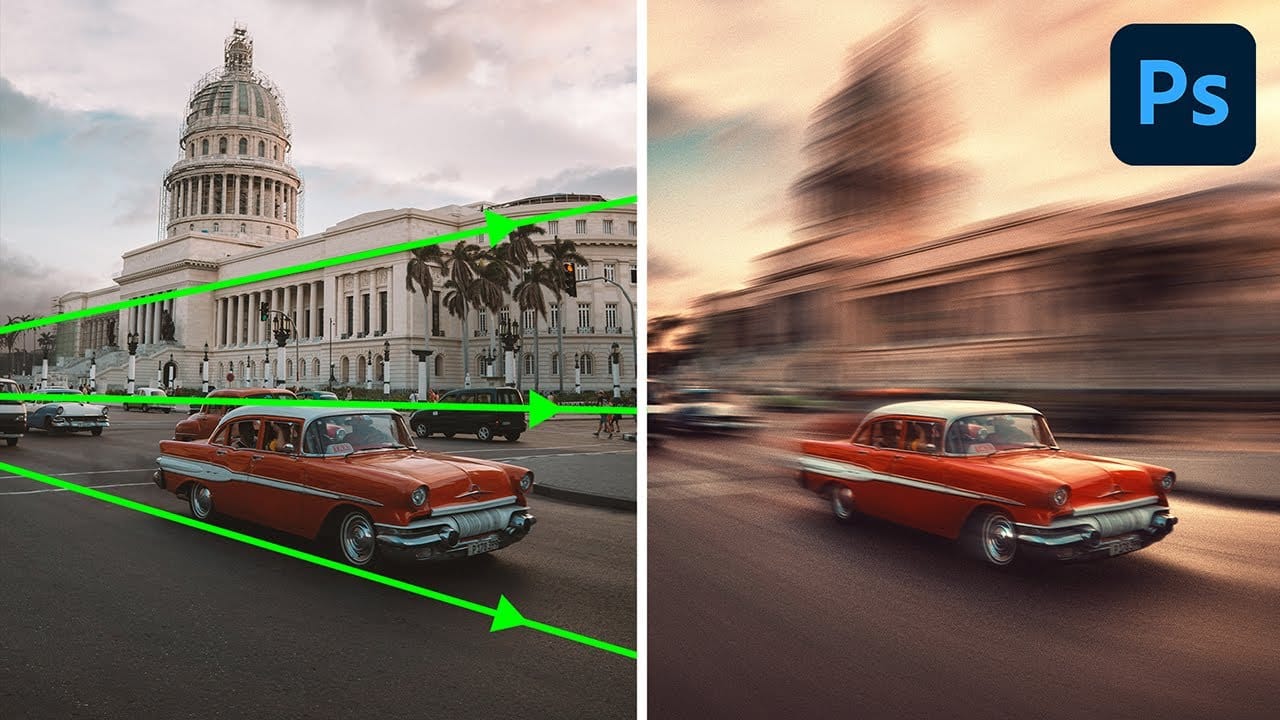
Generate a Perspective Motion effect with Photoshop
In this detailed tutorial, PiXimperfect demonstrates how to create a dynamic perspective motion effect in Photoshop. The lesson focuses on adding motion blur that aligns with the perspective of an object, making it appear as if it's moving rapidly through space. Using multiple paths to capture the perspective, you'll learn how to apply blur effects along these lines to simulate realistic motion. The tutorial covers advanced techniques with Path Blur to not only create motion but also enhance th
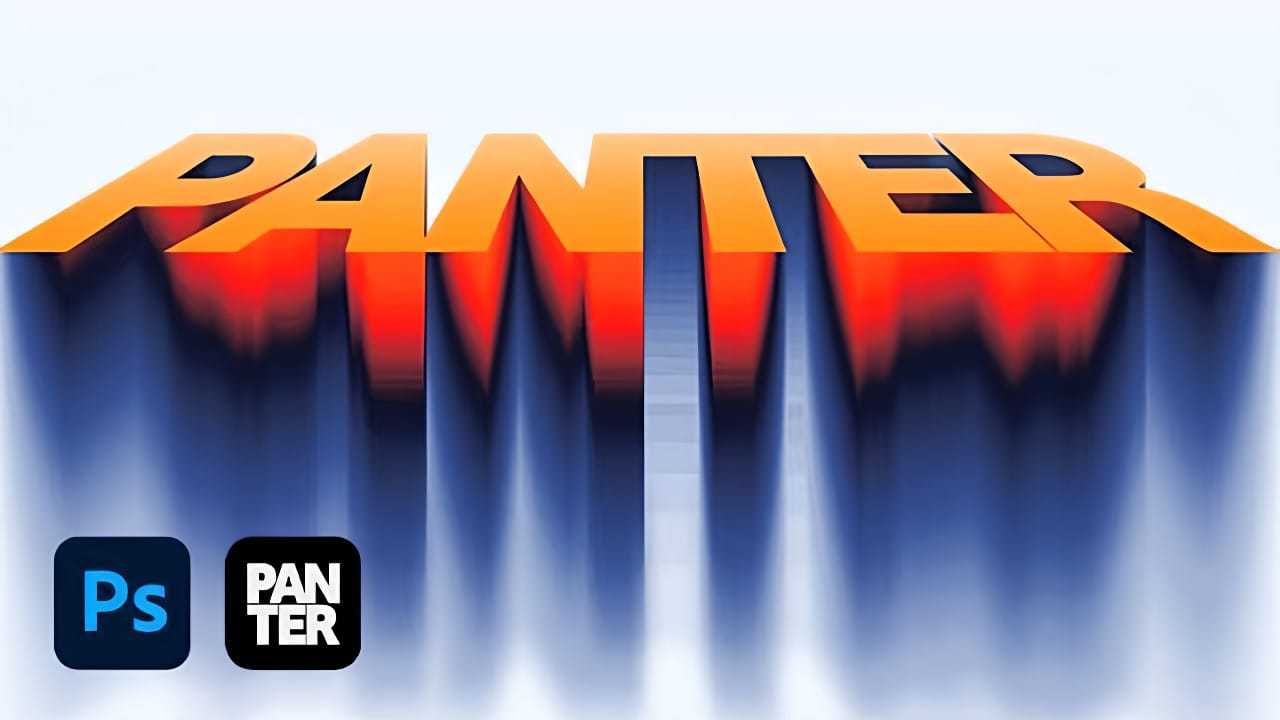
Create Motion Blur Text Effect in Photoshop with Path Blur
Motion blur transforms static typography into dynamic visual elements that appear to race across the screen. This effect creates the illusion of speed and movement, perfect for sports graphics, action posters, and modern designs. The technique combines Photoshop's Path Blur filter with strategic layering and color gradients to produce professional-looking motion trails. Watch the Tutorial Essential Tips for Motion Blur Text Effects * Convert text to smart objects before applying transform
Get tutorials & freebies delivered to you.

Subscribe to the Photoshop Roadmap newsletter, a weekly roundup of new tutorials, insights and quality downloads, trusted by 6500+ readers.

You might also like

7 Photoshop AI Tools You're Probably Not Using Yet

Photoshop’s AI features now go far beyond simple object removal. Some of the newer tools can completely change the way you edit photos, create composites, clean up distractions, or expand scenes — often with just a few clicks. The interesting part is that many of these features still feel surprisingly...

Transform Photos into Ink Drawings in Photoshop

Traditional ink drawings capture bold contrasts and artistic expression through pure black and white elements. This technique transforms ordinary photographs into striking ink artwork by combining specific filters with smart object workflows for complete creative control. The method uses oil paint effects, shadow adjustments, and threshold conversion to create authentic...

How to Build Monochromatic Color Palettes with Layers in Photoshop

Creating harmonious color schemes requires understanding how to layer colors strategically rather than relying on single adjustments. A monochromatic palette uses tints, tones, and shades from the same color family to create depth and visual unity. This technique demonstrates how to build rich, textured backgrounds by combining solid color fills,...

How to Use the New 3D Object Rotation Feature in Photoshop

Photoshop's new Rotate Object feature transforms flat 2D images into interactive 3D models that can be repositioned from any angle. This AI-powered tool automatically creates cutouts, maintains original textures, and generates missing details when objects are rotated beyond their original perspective. The feature opens new possibilities for product...

How to Use Depth Range Masking in Camera Raw

Adobe Camera Raw's depth range masking feature allows you to select and adjust specific depth layers in any photograph without needing special camera equipment. Unlike traditional subject and background masks that focus on shapes, depth range masking works with the spatial distance between elements in your image. This...

How to Remove Objects Using Photoshop's Updated Remove Tool Without Credits

Photoshop's updated Remove tool offers powerful AI-powered object removal without consuming any generative credits, regardless of your subscription plan. The tool features automated distraction detection that categorizes different types of visual clutter—from trash and people to urban elements and blemishes—making it easy to selectively remove unwanted...

You’ve successfully subscribed to Photoshop Roadmap
Welcome back! You’ve successfully signed in.
Great! You’ve successfully signed up.
Success! Your email is updated.
Your link has expired
Success! Check your email for magic link to sign-in.