Understanding Vibrance vs Saturation in Photoshop and When to Use Each Tool

Understanding Vibrance vs Saturation in Photoshop and When to Use Each Tool

Color enhancement is one of the most fundamental aspects of photo editing, yet many Photoshop users struggle with knowing when to use vibrance versus saturation. Both tools can boost the intensity of colors in your images, but they work in dramatically different ways and produce very different results.

Learning the distinction between these tools—and understanding how to use the advanced Hue/Saturation adjustment layer for targeted color control—will give you the precision needed to enhance your images without creating unnatural-looking results, especially when working with portraits.

Watch the Tutorial

Video by Phlearn. Any links or downloads mentioned by the creator are available only on YouTube

The Science Behind Color Enhancement Tools

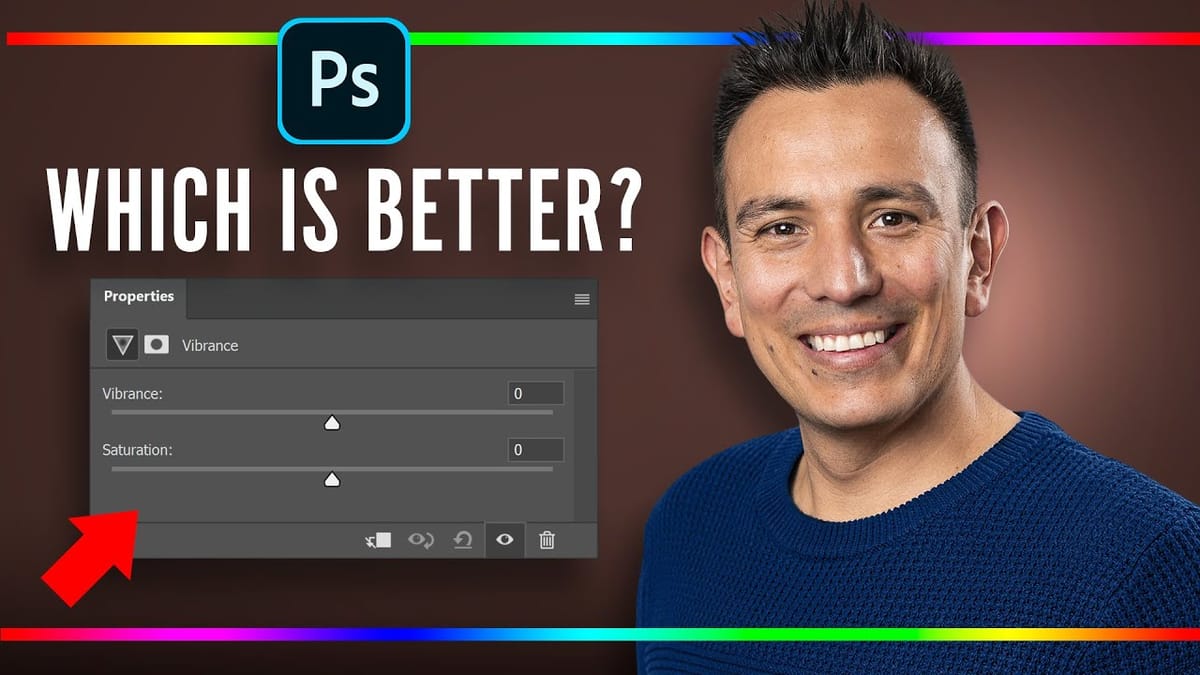
Vibrance and saturation work on fundamentally different principles when analyzing and adjusting color data. Saturation applies a uniform boost to all colors across the entire image, treating every hue with equal intensity. This aggressive approach can quickly push skin tones into unnatural territory, creating the oversaturated look that screams "over-edited."

Vibrance, on the other hand, uses intelligent algorithms to selectively enhance colors while protecting skin tones and avoiding clipping in already-saturated areas. It recognizes the color ranges typically associated with human skin and applies a gentler touch to those areas, making it ideal for portrait work.

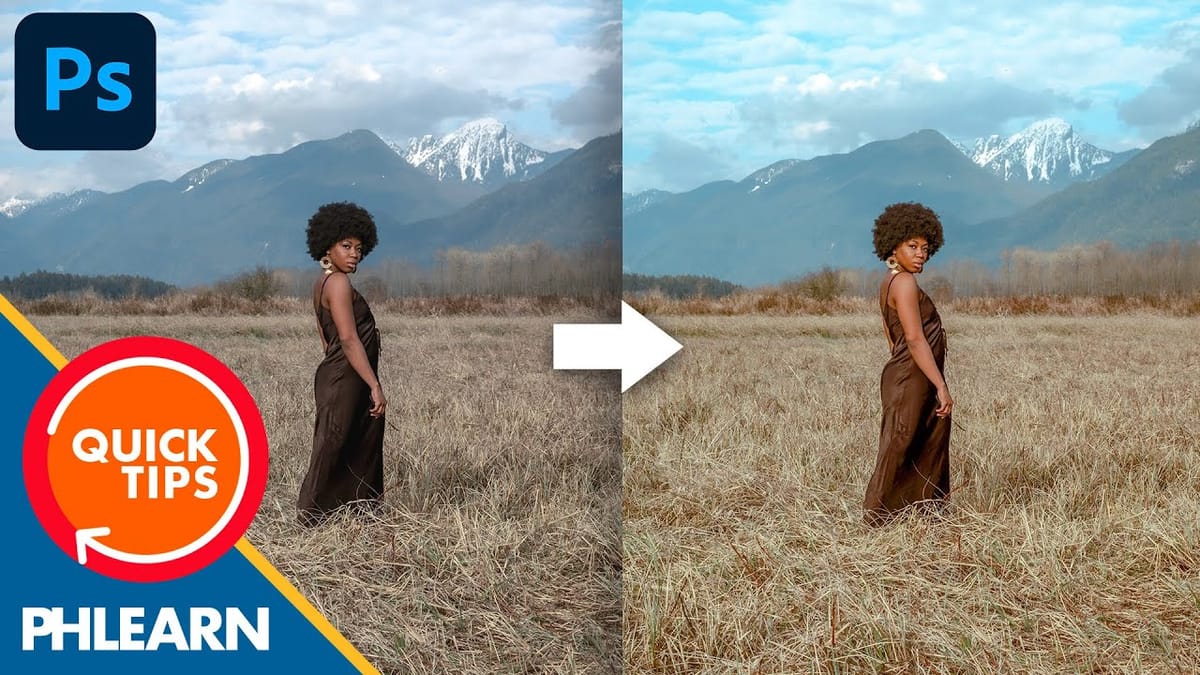
The Hue/Saturation adjustment layer takes this concept even further by allowing you to target specific color ranges with surgical precision. This tool essentially divides your image into color channels, letting you enhance the greens in foliage without affecting the blues in clothing or the warm tones in skin.

Essential Techniques for Color Enhancement

  • Use vibrance for portraits: When working with images containing people, start with the Vibrance adjustment layer to boost overall color intensity while maintaining natural skin tones.
  • Layer your adjustments: Combine a gentle vibrance boost with targeted Hue/Saturation adjustments for maximum control—enhance the overall image first, then fine-tune specific color ranges.
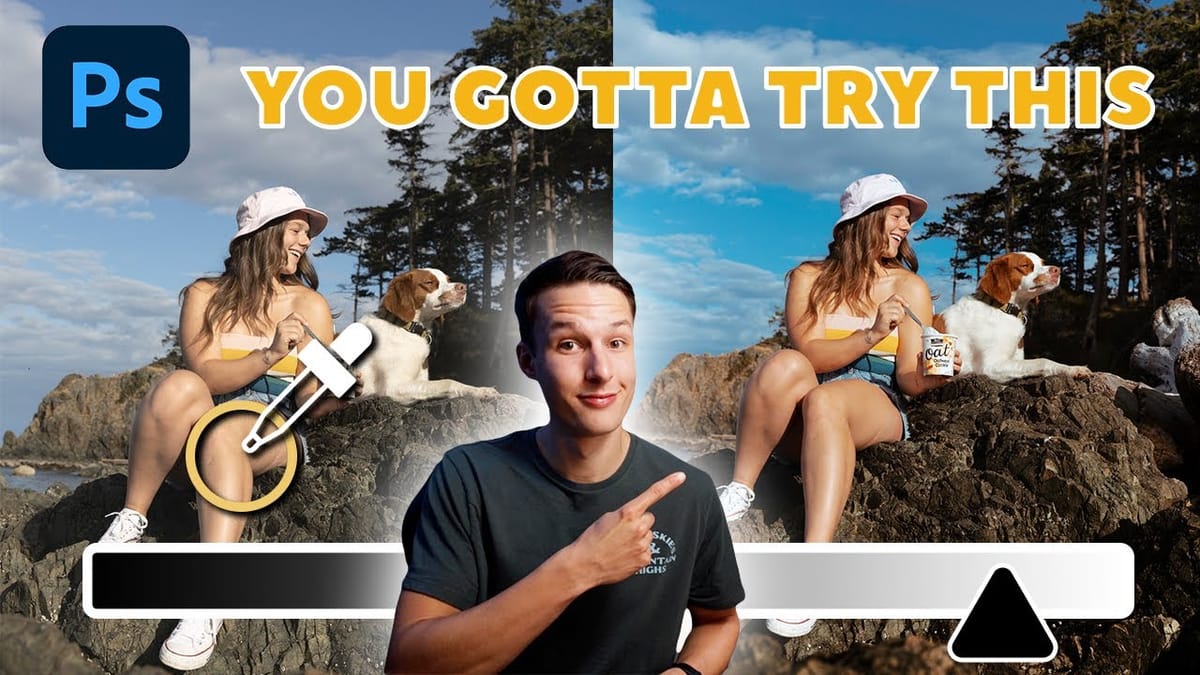
  • Use the eyedropper tool: In Hue/Saturation adjustment layers, select any color category then use the eyedropper to sample the exact color you want to adjust, ensuring precise targeting.
  • Reserve saturation for landscapes: The aggressive saturation slider works best on images without people, where you want to boost all colors equally for dramatic effect.
  • Monitor your adjustments: Toggle adjustment layers on and off frequently to compare your changes against the original image and avoid over-processing.

Explore these additional tutorials to expand your color grading and enhancement skills in Photoshop.

Saturation vs Vibrance: The Best for Color Enhancement in Photoshop
In this tutorial by Jesus Ramirez from Photoshop Training Channel you will learn the remarkable differences between SATURATION and VIBRANCE in Photoshop. More
3 must-try techniques to enhance colors in Photoshop
When you’re editing a photo in Photoshop, making your colors pop is likely on the top of your to-do list. There are a variety of great tools to use in Photoshop, but with these three techniques, you will be able to get more rich colors in your edits, while also having more control over how […] More
Create a bright and beautiful color grade in Photoshop
Learn how to add a bright and beautiful color grade to your photos with the Camera RAW filter in Photoshop. Great for model photography and landscapes. Download the sample image here… More

Get tutorials & freebies delivered to you.

Subscribe to the Photoshop Roadmap newsletter, a weekly roundup of new tutorials, insights and quality downloads, trusted by 6500+ readers.

You might also like

How to Create Collage Text Effects in Photoshop

Collage text transforms simple typography into visually striking artwork by combining wrapped paper textures, strategic warping, and careful masking techniques. This creative approach gives letters dimension and character, perfect for artistic projects and unique design elements. The technique involves layering textured materials within letter shapes, then using Photoshop's...

How to Convert Low-Resolution Graphics to Vector Shapes in Photoshop

Pixelated logos and graphics lose their impact when scaled up for print or web projects. Photoshop's Creative Cloud Libraries feature offers a built-in solution for transforming low-resolution black and white images into crisp, scalable vector shapes. This technique works particularly well for simple graphics, logos, and icons that...

How to Use Photoshop's Select Subject Tool for One-Click Selections

Complex selections in Photoshop just became effortless. The Select Subject tool uses advanced AI to automatically identify and select main subjects in images, even those with intricate details like bicycle spokes or hair. This tutorial demonstrates how to achieve professional-quality selections with a single click, saving hours of manual masking...

Understanding Photoshop Blending Modes: A Complete Guide to Layer Blending

Blending modes transform how layers interact in Photoshop, letting you seamlessly combine images without complex masking. This technique reveals only light areas, dark areas, or specific colors from each layer. Master these essential blending groups to create professional composites and artistic effects with just a few clicks. Watch the Tutorial...

Photoshop 2026 New Features: AI Tools and Credit System Overview

Photoshop 2026 introduces powerful AI-driven features including advanced generative fill models, sophisticated upscaling tools, and seamless harmonization effects. These updates promise to streamline complex editing tasks while delivering professional-quality results. The software now operates on a credit-based system that divides features into standard and premium tiers, fundamentally changing how users...

How to Add Objects to Photos Using Photoshop's Generative Fill

Photoshop's Generative Fill transforms photo editing by letting you add realistic objects using simple text descriptions. This AI-powered feature creates seamless additions that match your image's lighting, perspective, and style. The process requires just a basic selection and a descriptive prompt to generate professional-looking results in...

You’ve successfully subscribed to Photoshop Roadmap
Welcome back! You’ve successfully signed in.
Great! You’ve successfully signed up.
Success! Your email is updated.
Your link has expired
Success! Check your email for magic link to sign-in.