Create a Retro Pop Art Effect with Color Halftone in Photoshop

Create a Retro Pop Art Effect with Color Halftone in Photoshop

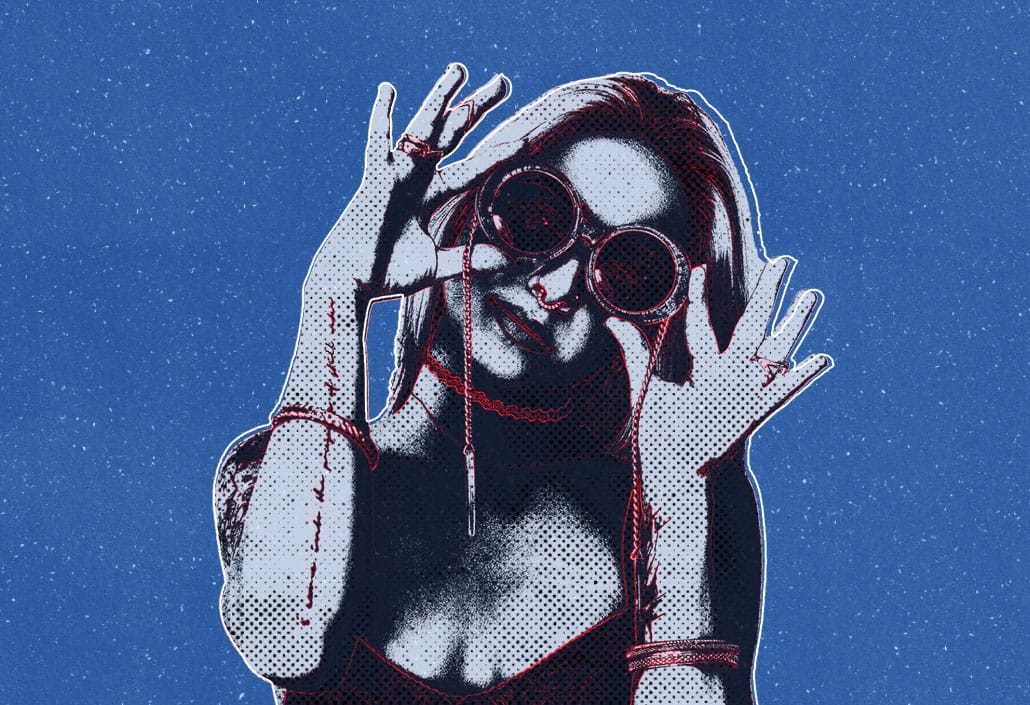
Pop art transformed ordinary subjects into bold, graphic statements through vibrant colors and distinctive printing techniques. The movement's signature look came from commercial printing methods, especially the visible halftone dots that created depth and texture in mass-produced images.

This video demonstrates how to recreate that iconic aesthetic digitally, combining artistic filters with halftone patterns to achieve the striking visual impact of 1960s pop art posters and comic book illustrations.

Watch the Video Tutorial

Video by Photoshop Arthouse. Any links or downloads mentioned by the creator are available only on YouTube

The Science Behind Halftone Pop Art

Traditional halftone printing creates the illusion of continuous tones using patterns of dots that vary in size and spacing. Larger dots produce darker areas, while smaller dots create highlights. This mechanical process became an artistic element when pop artists like Roy Lichtenstein embraced the visible dot pattern as part of their aesthetic vocabulary.

Digital halftone effects simulate this printing process by converting image data into dot patterns. The Color Halftone filter separates images into cyan, magenta, yellow, and black channels, each with its own screen angle to prevent interference patterns. This creates the layered, textured appearance that defines the pop art style.

The artistic filters like Paint Daubs and Cutout simplify complex photographic details into bold, graphic shapes. This preprocessing step eliminates unnecessary detail and creates the clean, poster-like quality essential for effective pop art compositions.

Practical Tips for Pop Art Effects

  • Set your image resolution to 300 PPI and width to 5,000 pixels for optimal halftone dot quality and printing compatibility
  • Use the Paint Daubs filter with brush size 4 and zero sharpness to simplify details without losing essential shapes
  • Apply Color Halftone with a 50-pixel radius for medium-sized dots that balance visibility with image detail
  • Copy individual color channels to find the best halftone pattern variation for your specific image
  • Enhance shadow detail with Shadows/Highlights at 100% shadow amount to maintain pop art's high-contrast look

More Tutorials about Halftone Effects

Explore additional techniques for creating vintage and modern halftone effects in Photoshop.
Create awesome retro halftone effects in Photoshop
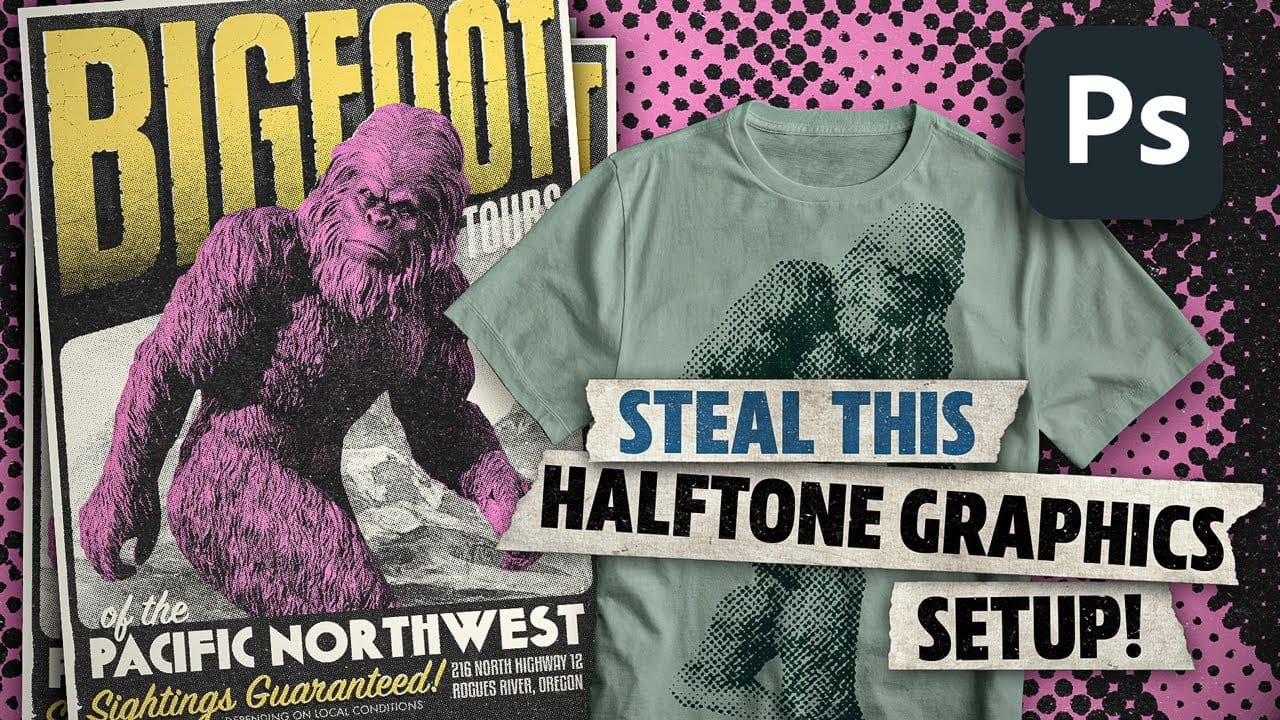
Photoshop includes built-in halftone filters, but they often lack flexibility and can feel rigid for creative projects. Many designers struggle with creating authentic vintage halftone effects that remain editable and can be applied to different image sizes and compositions without starting over. This tutorial demonstrates a five-layer halftone setup that functions like a live adjustment layer, offering full control over dot size, color, and distressing effects. The system uses seamless pattern
Create an old-school halftone photo effect in Photoshop
Creating authentic vintage halftone effects can be challenging when working with modern digital photography. Many designers struggle to achieve that classic print aesthetic without the result looking artificial or overdone. This tutorial demonstrates a multi-layer approach to building realistic halftone vintage effects using threshold adjustments, pattern overlays, and selective masking. The technique creates depth and authenticity by working with multiple halftone variations rather than a sing
Create Authentic Vintage Halftone Effects with Custom Patterns in Photoshop
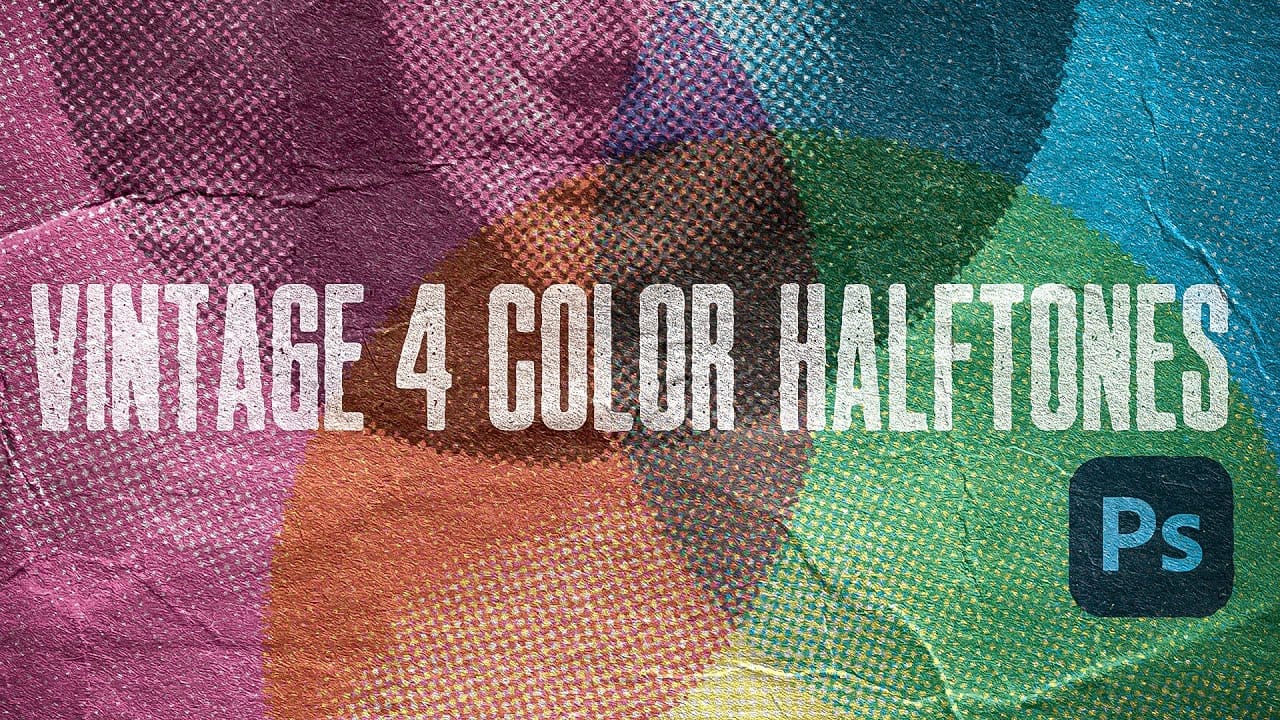
Photoshop's built-in Color Halftone filter creates rigid, geometric results that lack the authentic character of vintage print work. The filter also fails to produce true CMYK separations in RGB documents, missing the black channel entirely and creating an unconvincing simulation of traditional printing methods. This technique uses custom patterns and blend modes to create realistic, grungy CMYK halftones that work as live effects. Unlike the standard filter, this approach produces authentic-lo
Ultimate Halftone Effect in Photoshop
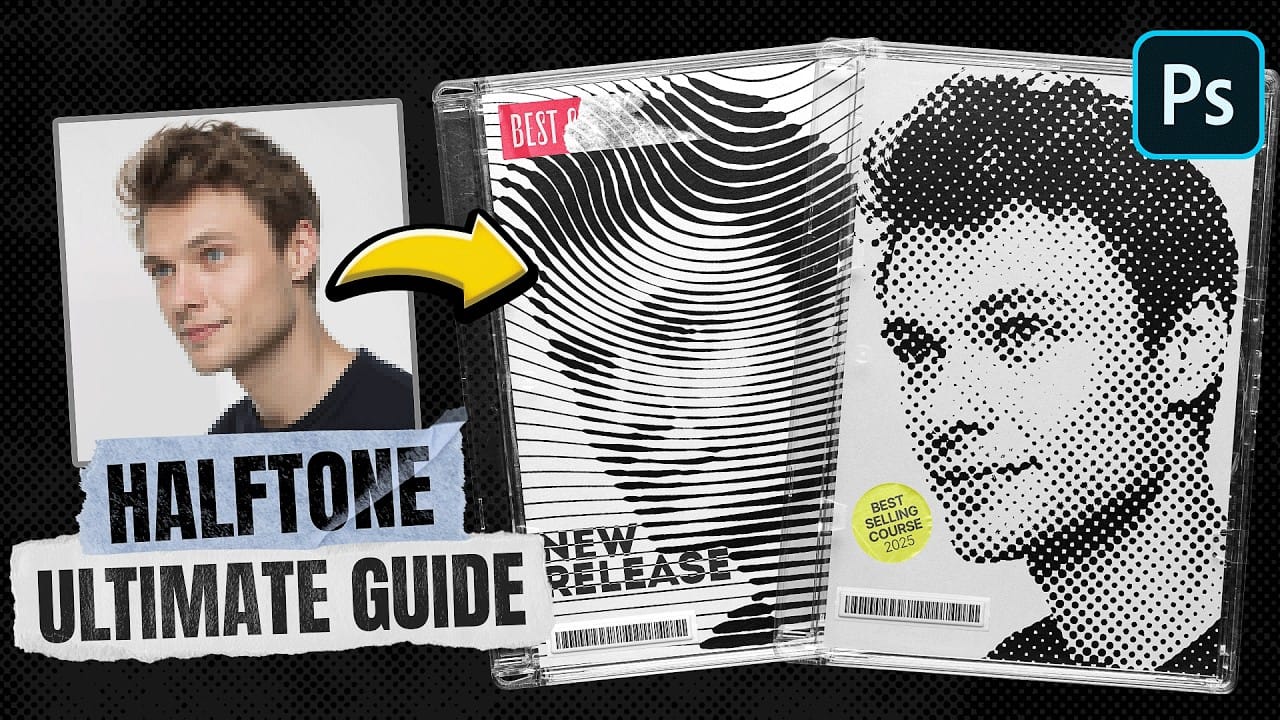
Halftone effects can transform ordinary photos into striking graphic designs, but many designers struggle with creating patterns that blend naturally with their images. The traditional approach often results in rigid, uniform dots that don't adapt to the underlying image tones and details. This tutorial demonstrates how to create flexible halftone effects using multiple pattern types and blending techniques. You'll learn to build reusable workflows that can be applied to any image instantly, pl

Get tutorials & freebies delivered to you.

Subscribe to the Photoshop Roadmap newsletter, a weekly roundup of new tutorials, insights and quality downloads, trusted by 6500+ readers.

You might also like

How to Create Custom Keyboard Shortcuts in Photoshop

Many essential Photoshop functions surprisingly lack default keyboard shortcuts, forcing you to navigate through menus repeatedly for common tasks like creating smart objects or layer masks. Learning to create custom shortcuts transforms your workflow by giving you instant access to the tools you use most. This comprehensive guide walks you...

How to Convert a Portrait Photo into a Black and White Logo Design

Portrait photos can be transformed into bold, graphic logos with the right combination of filters and adjustments. This technique uses Gaussian blur and threshold adjustments to convert photographs into high-contrast black and white designs suitable for branding, badges, or stamps. The process involves subject isolation, smart filtering, and precise path...

How to Create Sharp Halftone Effects in Photoshop

Traditional halftone effects in print media created depth through visible dot patterns that gave images character and texture. While Photoshop's built-in Filter Gallery offers a quick halftone option, it produces blurry results that lack the crisp definition of professional halftone work. This technique uses the Color Halftone filter...

Create a Sci-Fi Hologram Effect in Photoshop

Transform ordinary portraits into futuristic holographic projections with this sci-fi effect technique. The process combines motion blur, gradient mapping, and scan line patterns to create the distinctive translucent appearance of holographic displays. This method keeps your subject vibrant and colorful while converting the background to black and white, emphasizing the...

How to Use Reference Images with Generative Fill in Photoshop

Generative Fill transforms when you replace text prompts with actual images. Instead of describing what you want, you show the AI exactly what to create using reference photos. This feature works for adding objects like toys and electronics, or swapping clothing items with precise visual control. The AI automatically matches...

Photoshop's Generative Fill Gets Major Upgrade: New Model Comparison and Quality Test

Adobe's latest Generative Fill update brings the new Firefly Fill and Expand model with double the resolution and dramatically improved quality for generating people, hands, and complex objects. The upgrade moves from 1024x1024 to 2048x2048 pixel output, allowing for larger selections without quality loss. This comprehensive comparison tests...

You’ve successfully subscribed to Photoshop Roadmap
Welcome back! You’ve successfully signed in.
Great! You’ve successfully signed up.
Success! Your email is updated.
Your link has expired
Success! Check your email for magic link to sign-in.