Creating Circular Text with Motion Blur Effects in Photoshop

Creating Circular Text with Motion Blur Effects in Photoshop

Spinning text effects with motion blur create the illusion of dynamic movement and energy in digital designs. This visual technique transforms static typography into something that appears to be rotating rapidly through space, leaving trailing blur patterns that catch the eye.

The combination of circular text arrangement, perspective distortion, and layered motion blur produces a sophisticated three-dimensional effect that works well for logos, titles, and creative compositions.

Watch the Video

Video by P A N T E R. Any links or downloads mentioned by the creator are available only on YouTube

Understanding Motion Blur for Typography

Motion blur in typography mimics the natural effect that occurs when objects move faster than the camera's shutter speed can capture. This photographic phenomenon translates well to digital design, where it suggests speed, energy, and movement.

The key to realistic motion blur lies in creating multiple layers with varying blur intensity and positioning. Each layer contributes to the overall sense of motion while maintaining the text's readability at the focal point.

  • Circular text paths provide the foundation for rotational effects
  • Perspective distortion adds three-dimensional depth to flat typography
  • Layered blur effects create realistic motion trails
  • Filter combinations enhance texture and visual complexity
  • Gradient mapping introduces dynamic color schemes

Practical Tips for Motion Blur Text

  • Convert text layers to smart objects before applying transformations to preserve editing flexibility
  • Use letter spacing of 100 or higher when creating circular text to prevent character overlap
  • Apply motion blur at 90-degree angles for vertical spinning effects
  • Create multiple blur layers with different distances and opacities for realistic depth
  • Position blur layers carefully to maintain the illusion of directional movement

Explore more techniques for creating dynamic text effects and motion graphics.
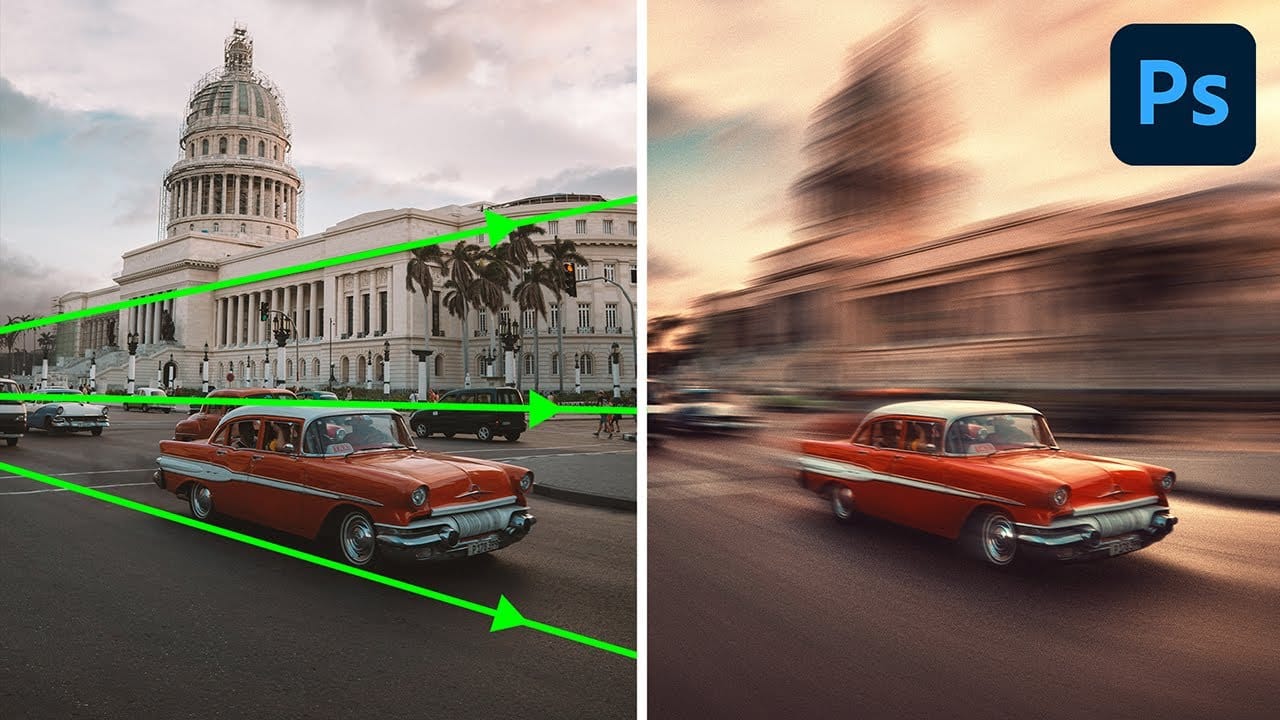
Generate a Perspective Motion effect with Photoshop
In this detailed tutorial, PiXimperfect demonstrates how to create a dynamic perspective motion effect in Photoshop. The lesson focuses on adding motion blur that aligns with the perspective of an object, making it appear as if it's moving rapidly through space. Using multiple paths to capture the perspective, you'll learn how to apply blur effects along these lines to simulate realistic motion. The tutorial covers advanced techniques with Path Blur to not only create motion but also enhance th
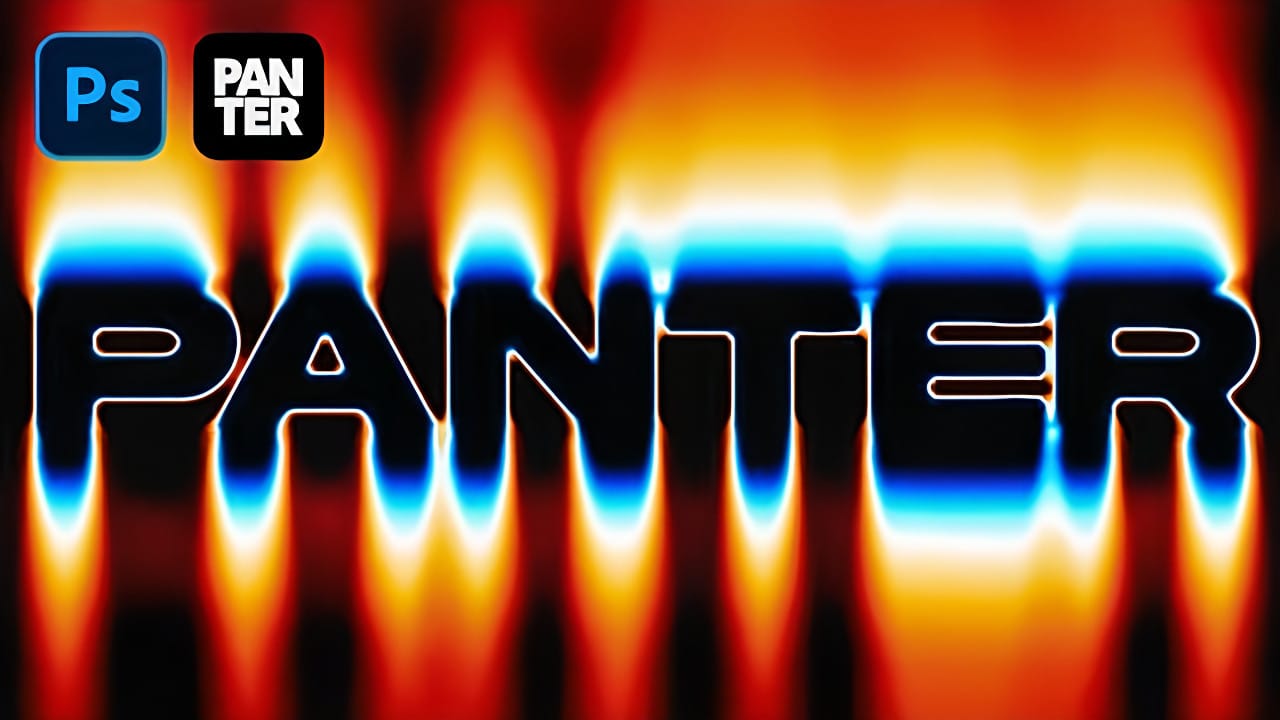
Create Fire Text with Motion Blur and Gradients in Photoshop
Fire text effects bring raw energy and dynamic movement to any design project. The combination of motion blur and colorful gradients creates the illusion of blazing flames trailing behind text, perfect for logos, posters, and dramatic typography. This technique transforms static lettering into something that appears to be racing across the screen, leaving a fiery wake behind it. Watch the Tutorial The Science Behind Motion Blur Effects Motion blur occurs naturally when objects move faster
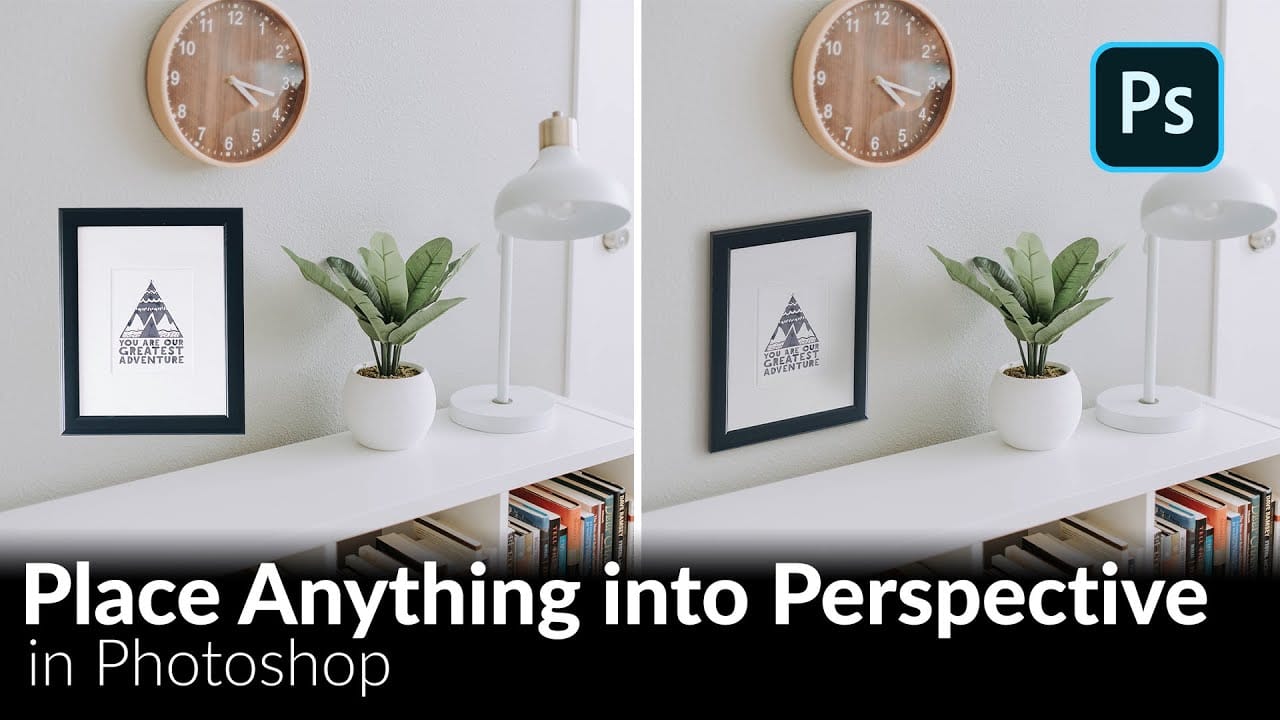
How to Place Anything into Perspective in Photoshop
In this tutorial, we'll demonstrate a technique that allows you to seamlessly incorporate any object into a new scene, ensuring perfect perspective alignment. First, we'll guide you through the process of precisely cutting out the desired object using advanced selection tools. Next, we'll utilize the powerful Vanishing Point Filter to position the object within the target scene, aligning it perfectly with the existing perspective. But we don't stop there. To achieve a truly professional-looking
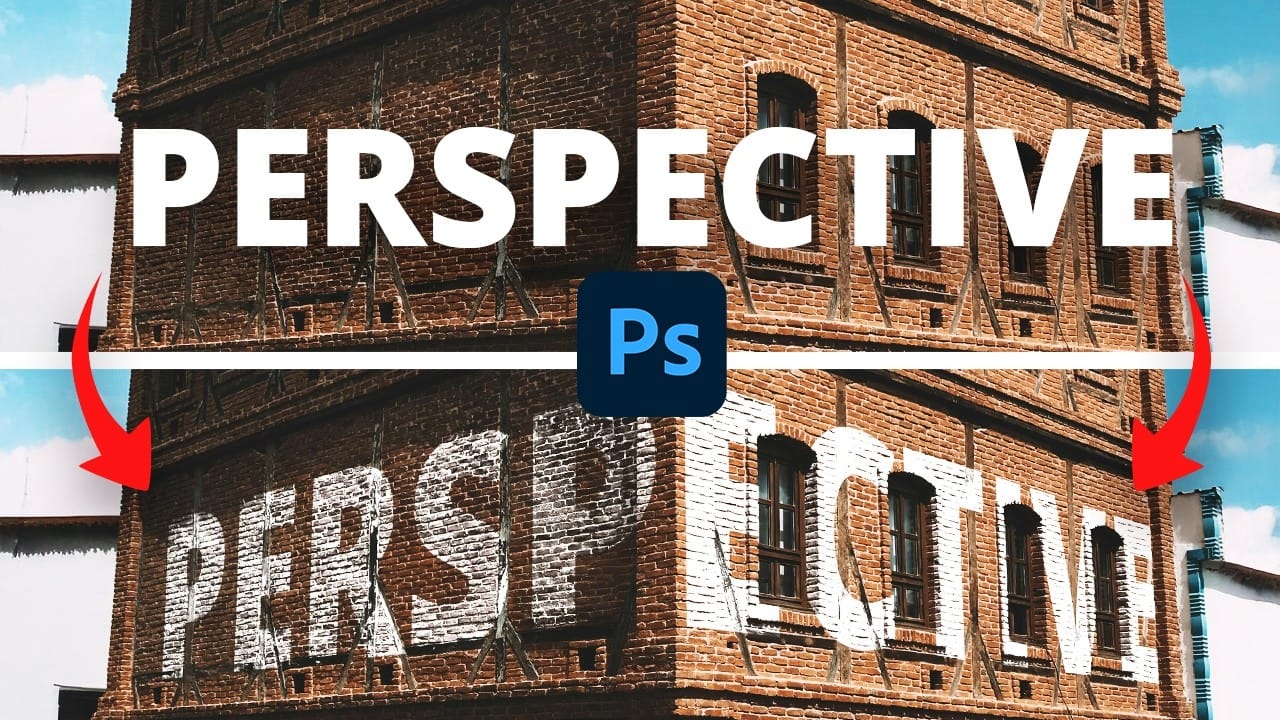
Quick and Easy Perspective Text in Photoshop
Integrating text seamlessly into photographic scenes can elevate a design, making static words appear as if they are a natural part of the environment. However, placing text onto non-flat surfaces like walls, floors, or objects with realistic perspective requires more than simple scaling or rotation—it demands a sophisticated approach to truly align with the scene's depth and angles. This video tutorial demonstrates a practical and efficient method for achieving this effect in Photoshop. Viewer

Get tutorials & freebies delivered to you.

Subscribe to the Photoshop Roadmap newsletter, a weekly roundup of new tutorials, insights and quality downloads, trusted by 6500+ readers.

You might also like

How to Use the New Color, Clarity, Dehaze, and Grain Adjustment Layers in Photoshop

Three powerful new adjustment layers bring Camera Raw's most popular tools directly into your layers panel. Color and Vibrance, Clarity and Dehaze, and Grain adjustments now work as standard adjustment layers with full masking capabilities and non-destructive editing. These tools eliminate the need for smart objects when applying...

How to Apply Patterns and Tattoos to Skin in Photoshop

Creating realistic skin patterns and tattoos requires more than simply overlaying images onto photographs. The key lies in using proper blending techniques and layer settings to make decorative elements appear naturally integrated with skin texture. This technique works for everything from Japanese kintsugi-inspired cracks to floral tattoo designs, transforming flat...

How to Transform Photos into Digital Paintings Using Photoshop Brushes

Busy backgrounds and photographic detail can overwhelm your artistic vision. This technique shows how to prepare photos for digital painting by strategically overpainting backgrounds and replacing photographic elements with painterly textures. The approach combines subject isolation, textured brush work, and color sampling to create a foundation that bridges photography and...

How to Use Textures for Color Grading in Photoshop

Textures offer a powerful way to color grade images beyond traditional adjustment layers. By layering colored textures with specific blend modes, you can create unique tonal shifts, add visual depth, and achieve artistic looks that standard color correction can't match. This technique works by using the color information...

Complete Guide to Digital Photo Compositing in Photoshop

Creating fantasy digital artwork requires mastering the art of photo compositing, where multiple elements come together to form a cohesive scene. This comprehensive tutorial demonstrates how to build a dramatic composition featuring a wolf and human figure in a mystical nighttime setting. The process covers every aspect of professional compositing,...

Understanding Blend Modes, Curves, Channels, and Fill vs Opacity in Photoshop

Most users cycle through blend modes randomly or avoid the curves panel entirely, missing out on precise control over their edits. These fundamental tools become intuitive once you understand the logic behind their organization and function. This tutorial breaks down four essential concepts that separate casual users from confident editors:...

You’ve successfully subscribed to Photoshop Roadmap
Welcome back! You’ve successfully signed in.
Great! You’ve successfully signed up.
Success! Your email is updated.
Your link has expired
Success! Check your email for magic link to sign-in.