How to Create a Split Water Effect in Photoshop Using Smart Objects

How to Create a Split Water Effect in Photoshop Using Smart Objects

Split water photography creates dramatic visuals that reveal both the underwater and above-water worlds in a single frame. This technique captures the mysterious boundary where light bends, visibility drops, and subjects take on an otherworldly quality beneath the surface.

The process combines multiple images and advanced Photoshop techniques to recreate the physics of water. The result transforms ordinary photos into compelling book covers, artistic compositions, and professional graphics that showcase this captivating dual perspective.

Watch the Video

Video by Nucly • Photoshop and Creative Design Training. Any links or downloads mentioned by the creator are available only on YouTube

Practical Tips for Split Water Effects

  • Convert text to smart objects before applying effects to maintain editability and allow title changes without rebuilding the entire composite
  • Use separate layers for above water, waterline, and underwater elements to control each section's unique lighting and color properties
  • Apply wave distortion to underwater elements using subtle settings to simulate water refraction without overdoing the effect
  • Add caustic light textures on screen blend mode to underwater text, then mask from bottom up to simulate surface light penetration
  • Create realistic bubbles by painting white dots on separate layers and adding motion blur to simulate underwater movement

Explore these water-themed Photoshop techniques to expand your creative toolkit and master additional water effects.
Learn How to Create a Watercolor Photo Effect in Photoshop
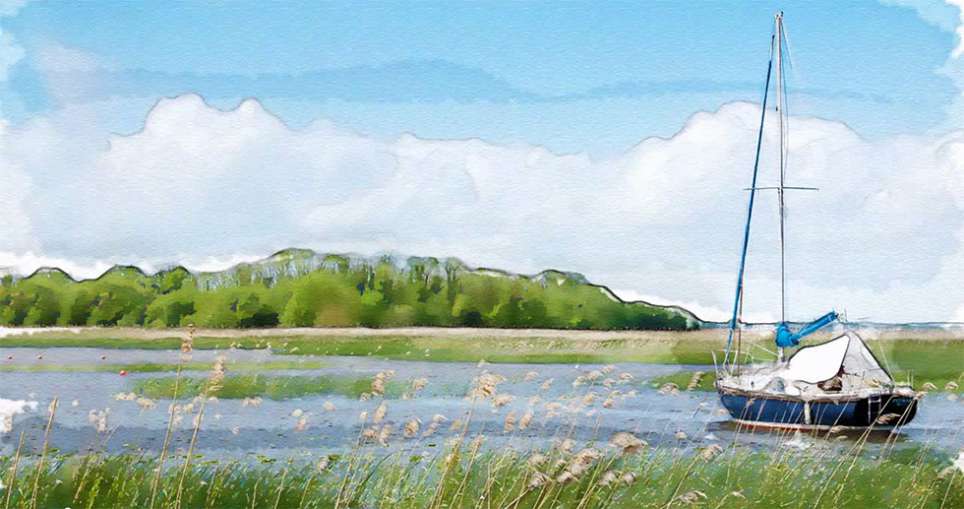
Transforming a photograph into a convincing watercolor painting opens up a world of creative possibilities. This artistic effect adds depth and emotion, turning ordinary images into unique pieces of art. The result captures the delicate washes and textures of traditional watercolor, bringing a hand-painted feel to your digital art. This tutorial guides you through creating a hand-painted effect in Photoshop, going beyond basic filters. By using a combination of smart blurs, glowing edges, and c
Create an Amazing Water Drenched Photo Montage in Photoshop
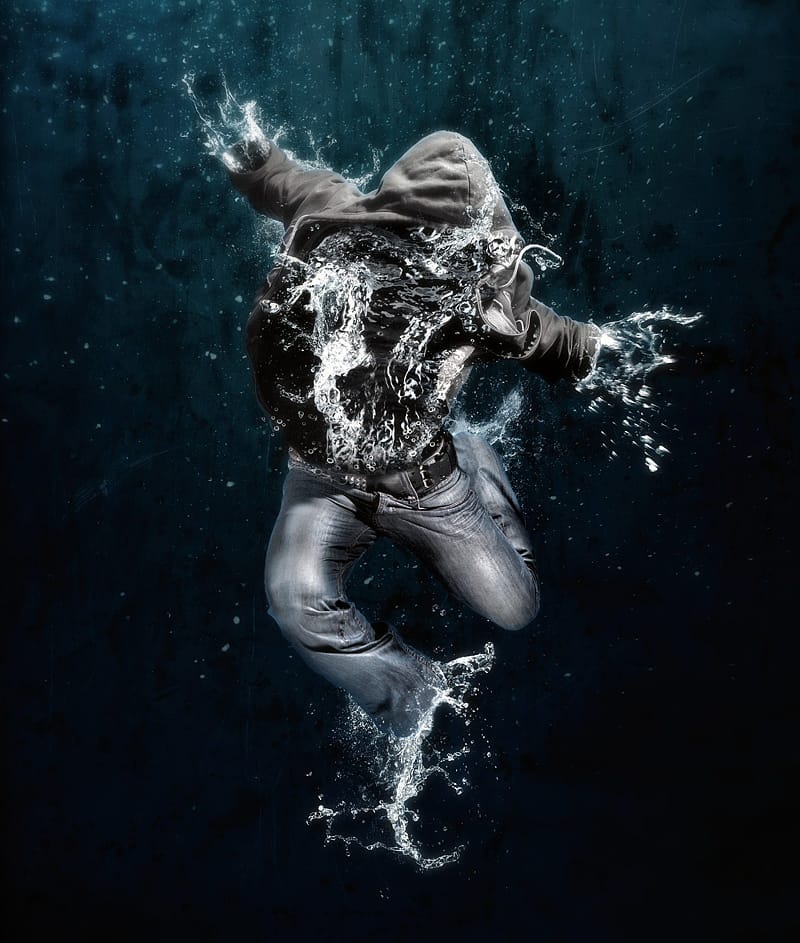
In this tutorial, Nik Ainley demonstrates how to create a captivating underwater effect by blending two distinct images. The result is a stunning visual featuring a figure that appears to dissolve into water, showcasing the power of creative photo manipulation. Water-based effects are popular for their fresh and vibrant appeal. Ainley provides clear, step-by-step instructions that guide you through the process of achieving this dynamic look using Photoshop and carefully selected images. The tec
Create waterdrops in Photoshop
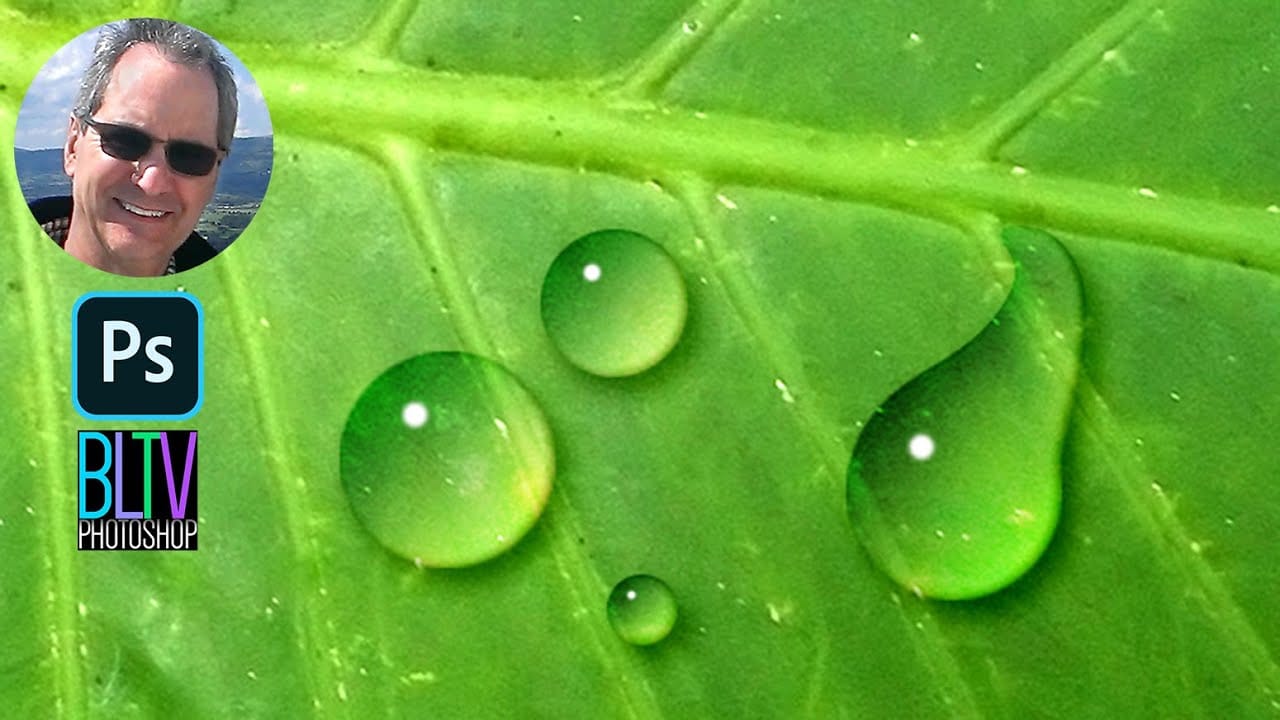
A simple gradient applied from the upper left corner to the lower right corner forms the foundation of convincing digital water drops. This technique transforms a basic circular selection into droplets that appear to hold actual depth and weight on any surface. The effect relies on precise layer style combinations and strategic highlight placement rather than complex filters or specialized brushes. Watch the Video The Science Behind Digital Water Drop Effects Water drops appear three-dimens
Learn Photoshop by Combining Tools and Techniques
Achieving truly impressive image manipulations in Photoshop goes beyond mastering individual tools; it requires skillfully combining them. Many users learn techniques in isolation, but the real power of Photoshop emerges when these diverse methods are blended to create a cohesive final result. This tutorial demonstrates how to transform an ordinary photo into a dynamic composite. It guides you through integrating various tools and techniques, showing how to approach complex edits by layering di

Get tutorials & freebies delivered to you.

Subscribe to the Photoshop Roadmap newsletter, a weekly roundup of new tutorials, insights and quality downloads, trusted by 6500+ readers.

You might also like

How to Use Color Average for Color Toning in Photoshop

Color average creates a unified color tone by analyzing all the colors in your image and calculating their mathematical average. This technique adds depth and cohesion to photos, composites, and AI-generated images by applying a subtle color wash that ties all elements together. The method works particularly well for composites...

How to Remove Complex Background Elements Using AI in Photoshop

Removing complex background elements like fencing or wire mesh has traditionally been one of the most time-consuming tasks in photo editing. New AI-powered tools in Photoshop can now eliminate these distracting elements while preserving fine details in your subject. This tutorial demonstrates two practical workflows: one using the latest Firefly...

How to Use Photoshop's Auto Layer Rename Feature

Messy layer names like "Layer 52 copy 4" and "Untitled 5" clutter your workspace and slow down complex projects. Photoshop's new auto-rename feature uses AI to automatically identify and name layers based on their content, from "Woman in yellow shirt" to "...

New Generative Fill Features in Photoshop Beta: Reference Images and Credit Tracking

Photoshop Beta introduces significant improvements to Generative Fill that address the most requested features from users. The updated interface now displays your generative credit balance and usage, while the new reference image capability lets you add up to eight specific images to guide AI generation with precise visual examples. These...

Essential Photoshop Tools for Beginners: Brush, Crop, and Move Tool Tutorial

Learning Photoshop tools feels overwhelming when you don't know where to start. This tutorial focuses on three essential tools that form the foundation of most Photoshop work: the brush tool for painting and retouching, the crop tool for resizing and straightening images, and the move tool for positioning...

How to Add Custom Textures to Photos in Photoshop

Adding textures to photographs can transform ordinary images into compelling artistic compositions. This technique uses multiple texture layers combined with strategic blending modes and color adjustments to create depth and visual interest. The process involves layering different texture types—color overlays, surface patterns, and lighting effects—then using masking techniques...

You’ve successfully subscribed to Photoshop Roadmap
Welcome back! You’ve successfully signed in.
Great! You’ve successfully signed up.
Success! Your email is updated.
Your link has expired
Success! Check your email for magic link to sign-in.