How to Smooth Pixelated Selection Edges in Photoshop

How to Smooth Pixelated Selection Edges in Photoshop

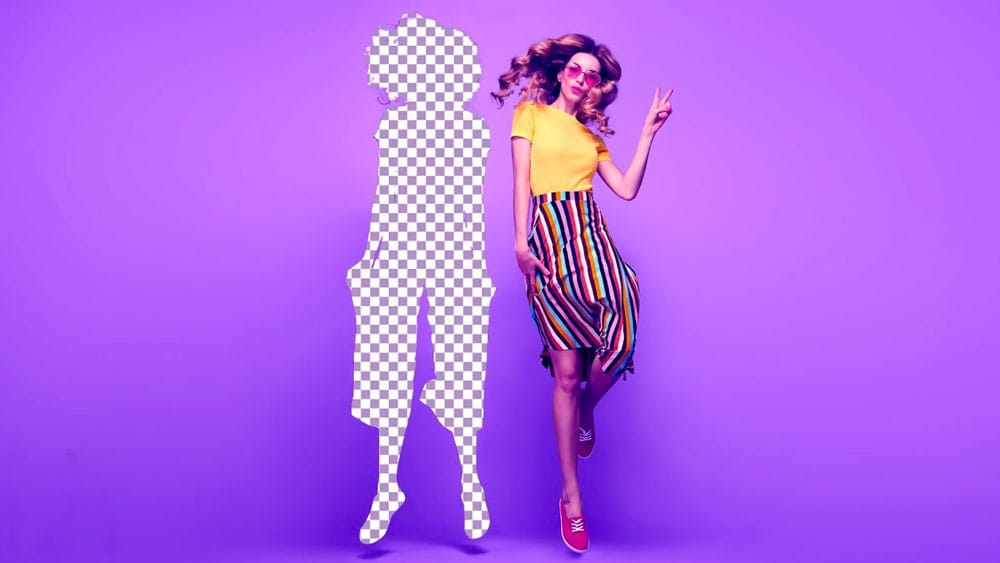
Automatic selections in Photoshop often create jagged, pixelated edges that look unprofessional when zoomed in. These blocky borders can ruin an otherwise perfect cutout, making your work appear amateurish regardless of how carefully you made the initial selection.

Three simple sliders in Photoshop's Select and Mask workspace can transform these rough edges into clean, professional results. Combined with selective blur techniques, these tools create realistic cutouts that blend seamlessly into any composite.

Watch the Tutorial

Video by Brendan Williams. Any links or downloads mentioned by the creator are available only on YouTube

Understanding Selection Edge Refinement

The quality of selection edges determines whether a composite looks natural or obviously manipulated. Digital selections create hard mathematical boundaries that don't exist in real photography, where edges naturally transition through space with varying degrees of sharpness and blur.

Photoshop's Select and Mask workspace addresses this challenge through global refinement controls that mathematically adjust edge properties. The smooth slider averages out pixel variations, the feather slider adds controlled blur, and the contrast slider sharpens the result. This three-step process mimics how camera lenses naturally render edges with depth and optical characteristics.

Professional compositing requires matching the edge quality to the source image's depth of field. Sharp edges against blurry backgrounds immediately reveal digital manipulation, while properly matched edge blur maintains the illusion of photographic authenticity.

Practical Tips for Edge Refinement

  • Access Select and Mask by double-clicking the layer mask thumbnail after making your initial selection
  • Use the smooth slider sparingly to preserve edge details while removing blockiness
  • Apply feather first to blur imperfections, then use contrast to restore sharpness
  • Convert refined selections to smart objects before adding Gaussian blur for non-destructive editing
  • Paint selective blur only on edges that match the background's depth of field

More Tutorials about Selection and Masking

Explore additional techniques for creating precise selections and professional cutouts.
The easy background remover tool hidden in Photoshop!
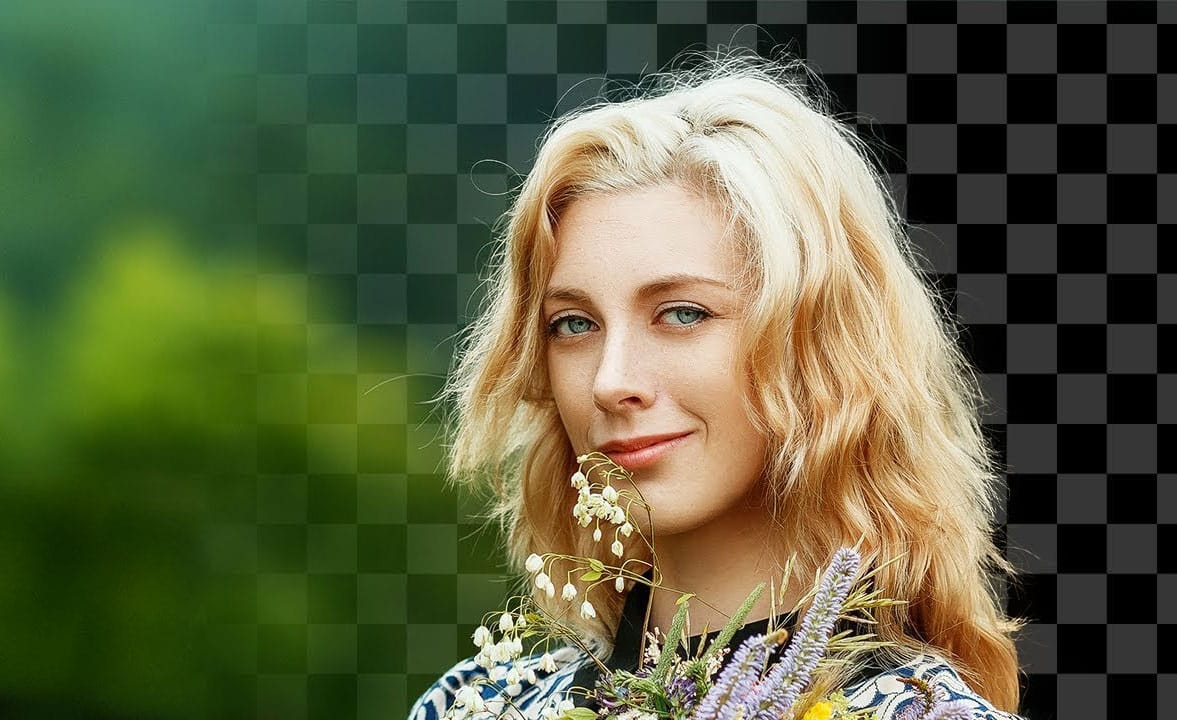
In this Photoshop tutorial, PiXimperfect shares their insights on the amazing power of the Background Eraser tool. Viewers will learn how to easily cut out hair or complex edges using this versatile tool, as well as the best settings for various situations. The tutorial also covers how to make the Background Eraser tool completely non-destructive. This allows users to change the background or make it transparent without permanently altering the original image. Whether you want to remove the bac
How to make difficult selections easy in Photoshop
In this detailed Photoshop tutorial by TutVid, you will be guided through the process of making intricate selections within the software. The focus is on selecting a person and accurately cutting them out using the Select and Mask tool in a two-step approach. This method ensures precise selection edges, making it effective for both clean, straight lines and complex details such as hair. The tutorial aims to equip users with comprehensive knowledge about making refined selections in Photoshop, e
Smooth Skin and Remove Blemishes and Scars in Photoshop
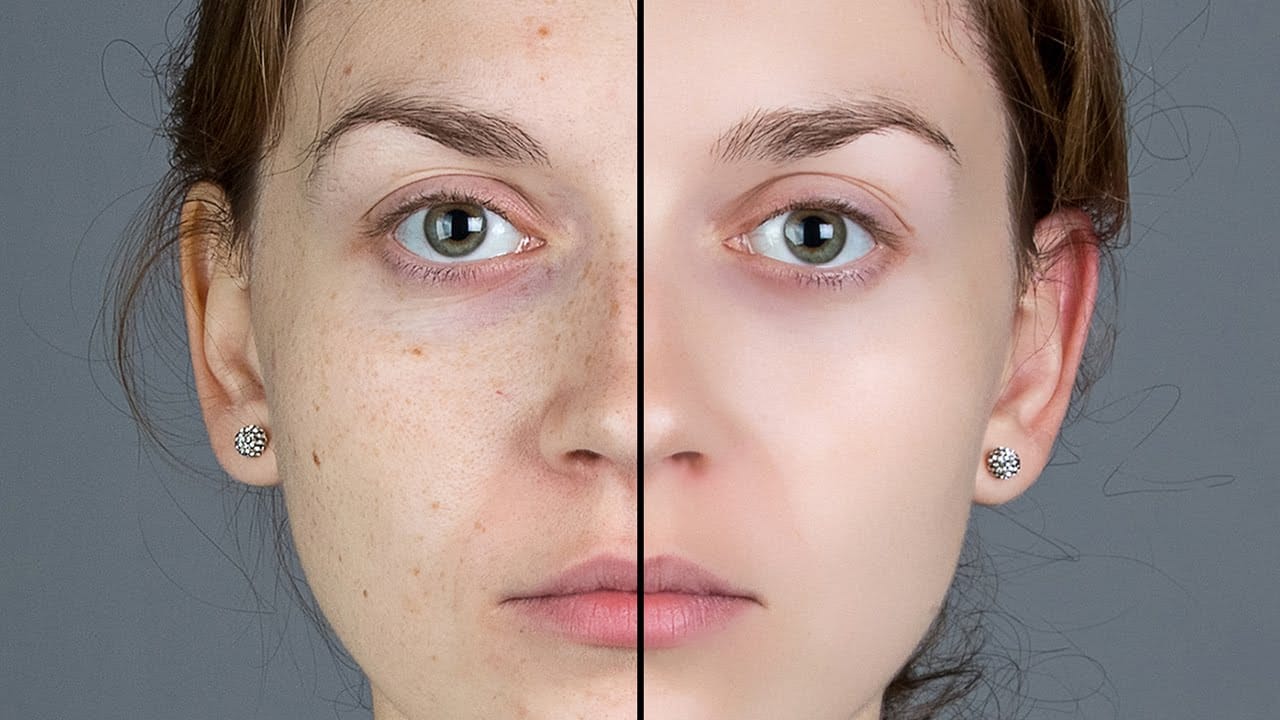
In this Photoshop tutorial by Marty Geller from Blue Lightning TV, you'll learn how to retouch a face to achieve beautifully smooth and flawless skin. The tutorial provides step-by-step instructions on removing blemishes, scars, acne, and wrinkles, ensuring a polished and professional finish. Perfect for photographers and retouchers aiming to enhance their portrait editing skills, this tutorial will help you create stunning, clear, and natural-looking skin in your images Watch tutorial
Did you know Photoshop has new Quick Actions?
Discover how to speed up your workflow with Photoshop's new Quick Actions, presented by Colin Smith from Photoshop Cafe. This tutorial reveals the ease and efficiency of using Quick Actions to perform common tasks with just one click. Colin walks you through locating these Quick Actions and demonstrates how to use them to blur backgrounds, apply duotones, remove backgrounds, and more. While some features, like the Blur Background action, might not always produce perfect results, Colin shares a

Get tutorials & freebies delivered to you.

Subscribe to the Photoshop Roadmap newsletter, a weekly roundup of new tutorials, insights and quality downloads, trusted by 6500+ readers.

You might also like

When to Use Saturation vs Vibrance for Better Color Enhancement

While vibrance gets praised for being "gentler" than saturation, the reality is more nuanced. Saturation works like a universal volume knob, boosting all colors equally, while vibrance acts like a smart equalizer, selectively enhancing less saturated areas first. Understanding when each approach serves your creative vision makes the...

How to Check Your Generative Fill Credit Balance in Photoshop

Keeping track of your AI credit usage becomes essential when working with premium generative features. Understanding your remaining balance helps you budget your edits and avoid unexpected interruptions during important projects. The credit system divides features into standard tools (like basic generative fill) that don't consume credits, and...

How to Create Realistic Depth Blur Effects in Photoshop

Creating professional depth of field effects can transform flat images into dynamic photographs with natural-looking focus transitions. Two powerful methods in Photoshop offer different advantages: Neural Filters provide automated depth detection with atmospheric effects like haze, while Camera Raw Filter delivers precise manual control with customizable bokeh shapes. Both techniques...

Three Professional Methods to Fix White Balance in Photoshop

Color casts can ruin even the best photographs, making whites appear yellow, blue, or green instead of neutral. Poor white balance destroys the natural look of your images and creates an unprofessional appearance that's immediately noticeable to viewers. These three techniques provide increasingly precise control over white balance...

Creating Dark Moody Wildlife Photo Edits in Photoshop

Dark, moody wildlife photography transforms ordinary animal portraits into dramatic, atmospheric pieces that capture the mystery and power of nature. This editing approach combines strategic lighting placement, careful color grading, and atmospheric effects to create compelling images that draw viewers into the scene. The workflow begins with essential noise reduction...

How to Create Professional Photo Composites in Photoshop

Creating compelling photo composites requires more than simply placing images together. This comprehensive tutorial demonstrates how to blend multiple elements seamlessly, from matching lighting and color to painting realistic shadows and highlights. The project showcases a dramatic scene inspired by Stranger Things, combining buildings, characters, and atmospheric effects with precise...

You’ve successfully subscribed to Photoshop Roadmap
Welcome back! You’ve successfully signed in.
Great! You’ve successfully signed up.
Success! Your email is updated.
Your link has expired
Success! Check your email for magic link to sign-in.