Layers let you edit, arrange, and combine parts of an image without flattening everything into one fixed result. This beginner-friendly guide explains how to work with the Layers panel, control opacity, organize elements, and use different layer types. It also introduces practical techniques such as clipping masks, layer styles, and smart objects so you can build flexible designs and composites.
Watch the Video
Video by PiXimperfect. Any links or downloads mentioned by the creator are available only on YouTube
Practical Tips
Use these habits to keep your edits flexible and your layer stack easy to manage.
- Name layers by their contents so you can find them quickly.
- Adjust a layer’s opacity to soften its effect without erasing pixels.
- Convert layers to smart objects before resizing repeatedly or applying filters you may want to revise.
- Group related layers when you need to move or organize them together.
- Create a stamp-visible layer with Ctrl+Alt+Shift+E (Windows) or Command+Option+Shift+E (Mac) to merge the visible result while keeping the original layers intact.
Related Articles and Tutorials
Explore these guides to build on your layer skills and create more flexible Photoshop projects.
How to use Photoshop layer masks for beginners
In this Photoshop tutorial, Colin Smith teaches beginners the fundamentals of Layer Masks. Comprehensive explanations, step-by-step demos, and practical applications help you master Photoshop's Layer Masks, unlocking their powerful capabilities and creative possibilities.
The tutorial covers core Layer Mask concepts, their purpose and functionality, and how they enhance your workflow and achieve stunning results. You'll learn to selectively hide or reveal layer elements, blend and composite ima

Learn Photoshop in 40 Minutes: Complete Beginner Tutorial
Photoshop's reputation as a complex, overwhelming program keeps many beginners from diving in. The endless array of tools, panels, and settings can feel impossible to master without proper guidance.
This comprehensive tutorial breaks down Photoshop learning into four clear phases that work for any project. From document setup to final export, you'll understand the logical workflow that makes this powerful software finally make sense.
Watch the Tutorial
Essential Tips for Photoshop Beginners

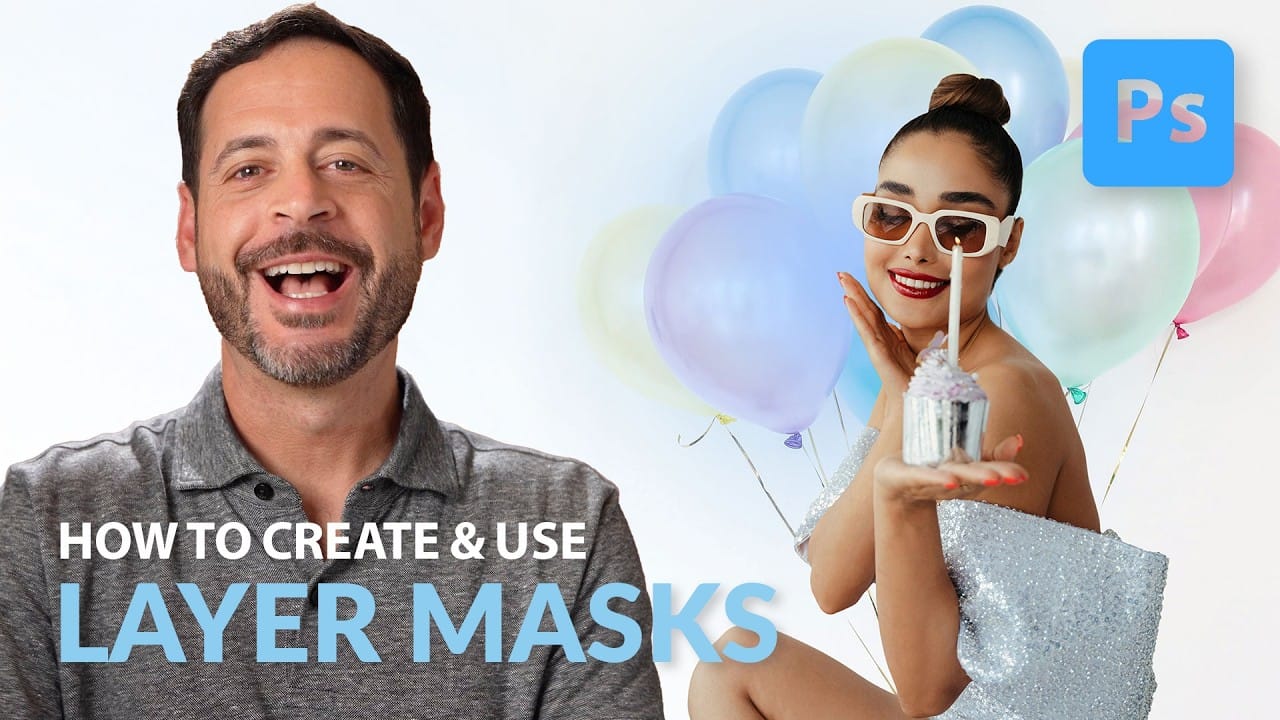
How to Create and Use Layer Masks in Photoshop
Layer masks represent one of Photoshop's most powerful non-destructive editing tools, providing photographers and designers with precise control over image visibility. Unlike permanently deleting parts of an image, layer masks allow for reversible adjustments that can be refined throughout the creative process.
In this comprehensive tutorial, you'll explore everything from fundamental layer mask concepts to advanced techniques like mask copying, unlinking, and group masking. Learn how to use th
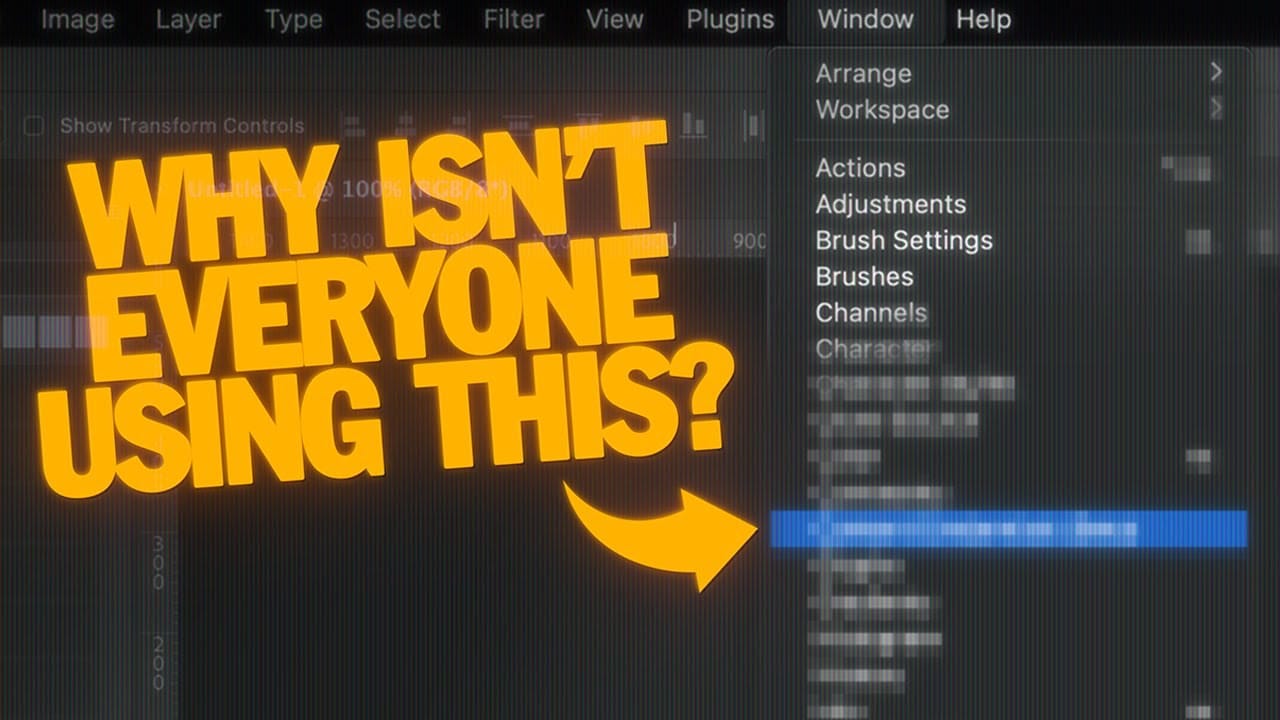
Master Layer Comps in Photoshop for Faster Design Workflow
Design iterations can quickly spiral into chaos without proper version control. Layer Comps in Photoshop offers a powerful solution that most designers overlook, letting you save snapshots of your layer panel's visibility, position, and appearance at different stages of your project.
This hidden feature transforms how you approach creative work, allowing you to experiment fearlessly while maintaining access to every version of your design. From social media exports to client presentations, Laye
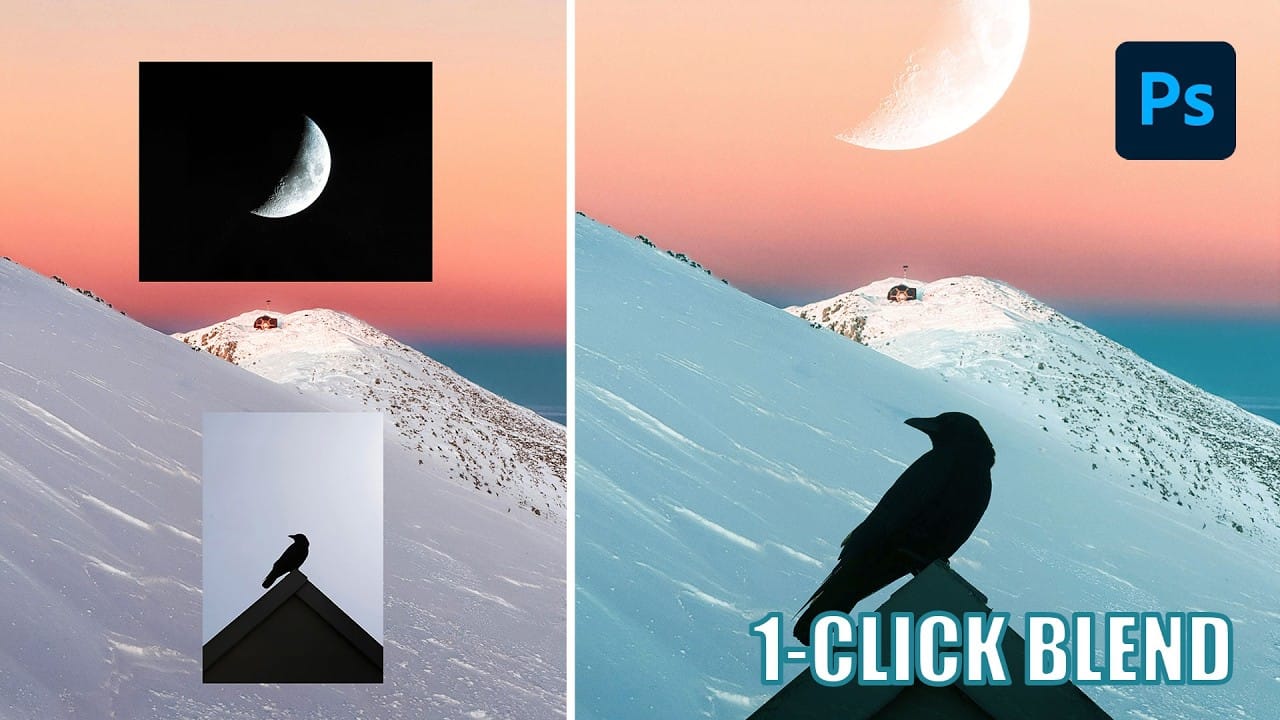
Understanding Photoshop Blending Modes: A Complete Guide to Layer Blending
Blending modes transform how layers interact in Photoshop, letting you seamlessly combine images without complex masking. This technique reveals only light areas, dark areas, or specific colors from each layer.
Master these essential blending groups to create professional composites and artistic effects with just a few clicks.
Watch the Tutorial
Essential Blending Mode Tips
* Use Screen or Lighten modes to make dark backgrounds disappear while keeping bright elements visible
* Apply Mult
Master Photoshop Adjustment Layers for Non-Destructive Editing
Fine-tuning images without destroying original pixel data transforms ordinary photos into compelling visuals. Adjustment layers provide the flexibility to experiment with colors, contrast, and tones while maintaining complete control over every edit.
This comprehensive guide demonstrates how to harness Photoshop's most powerful adjustment layers for landscape photography, from basic contrast enhancements to sophisticated color grading techniques.
Watch the Tutorial
Understanding Non-Destruc
How to Create Digital Collages Using Layers and Blend Modes in Photoshop
Digital collages combine multiple images through strategic layering and blending techniques to create compelling visual stories. This beginner-friendly approach demonstrates how to build complex compositions by layering textures, portraits, and objects while using blend modes to seamlessly integrate each element.
The process focuses on practical workflow techniques including smart object management, precise subject selection, and effective masking methods that allow for non-destructive editing
Unlocking the Power of Layer Masks in Photoshop
Layer masks are a fundamental feature in Photoshop that allow for greater control over images. They enable you to hide or reveal portions of a layer without permanently altering the original content. This non-destructive editing approach is beneficial for making precise adjustments to your designs.
You can use layer masks in various ways. For example, they help blend multiple images, create seamless transitions, or apply effects to specific areas. By painting on the mask with black or white, yo
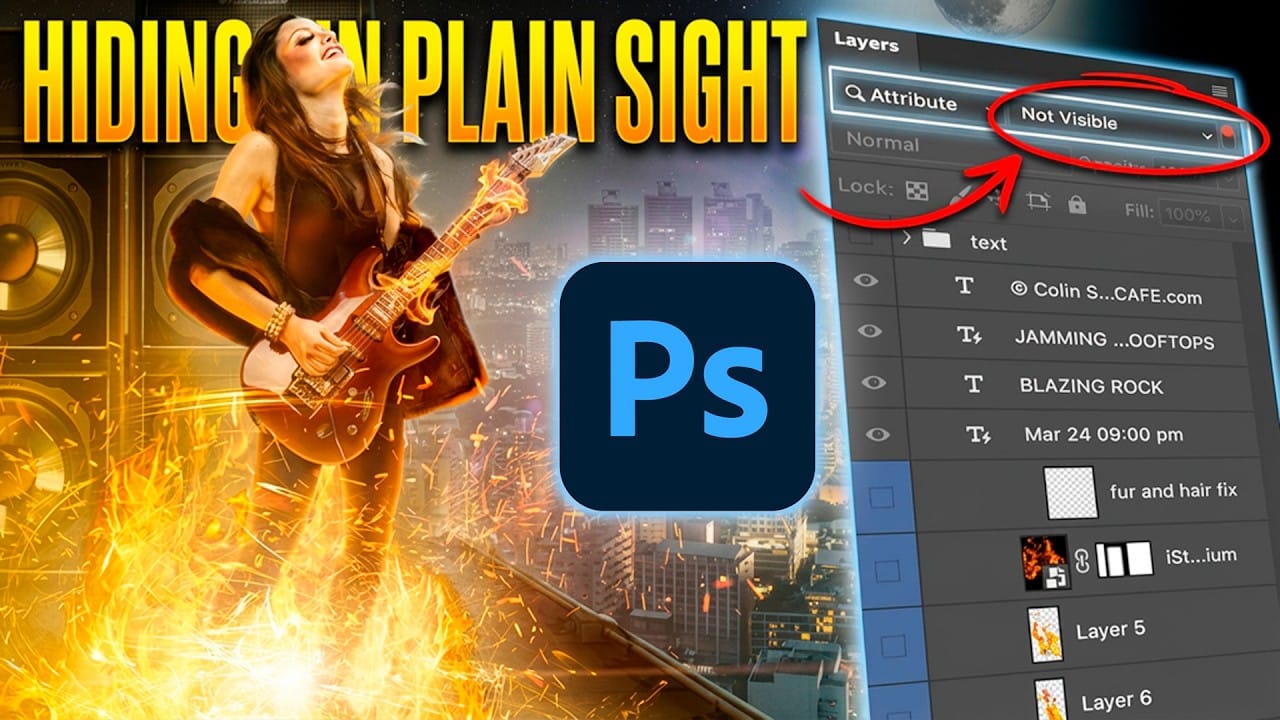
How to Use Layer Filtering to Organize Complex Projects in Photoshop
When working with dozens of layers in complex composites or designs, finding specific elements becomes a time-consuming challenge. The layer filtering system in the Layers panel offers powerful tools to instantly isolate different types of content, making organization and editing far more efficient.
These filtering options help you quickly group similar layers, clean up unused elements, and maintain better project structure without endless scrolling through your layer stack.
Watch the Video