Ultimate Halftone Effect in Photoshop

Ultimate Halftone Effect in Photoshop

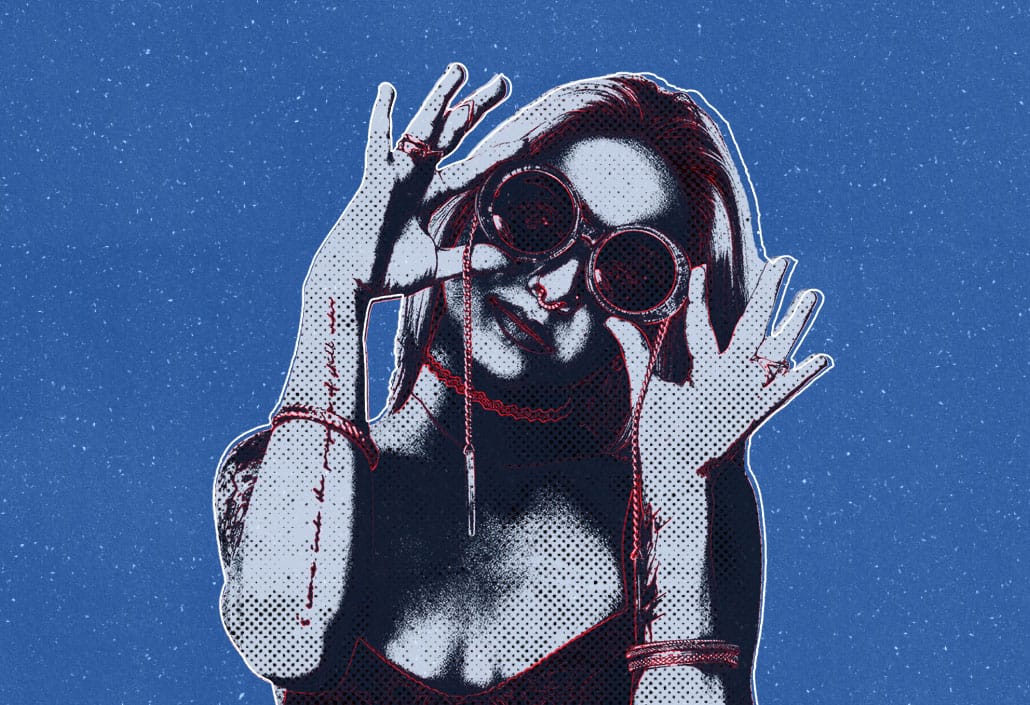
Halftone effects can transform ordinary photos into striking graphic designs, but many designers struggle with creating patterns that blend naturally with their images. The traditional approach often results in rigid, uniform dots that don't adapt to the underlying image tones and details.

This tutorial demonstrates how to create flexible halftone effects using multiple pattern types and blending techniques. You'll learn to build reusable workflows that can be applied to any image instantly, plus advanced methods for combining patterns and adding textures for more dynamic results.

Watch the Tutorial

Any links or downloads mentioned by the creator are available only on YouTube

Understanding Halftone Pattern Behavior

Halftone effects work by varying dot sizes based on image brightness values, mimicking traditional print reproduction techniques. The key to natural-looking results lies in how the pattern interacts with the underlying image through blending modes and blur effects.

When using Color Burn blending mode with halftone patterns, the dots need to be slightly blurred to respond dynamically to image tones. Sharp patterns maintain uniform dot sizes regardless of the underlying brightness, while blurred patterns expand in dark areas and contract in light areas, creating the authentic halftone appearance.

This principle applies whether you're working with traditional dot patterns, lines, circles, or custom shapes. The blur radius typically ranges from 2-4 pixels for most image resolutions, though this can be adjusted based on the desired effect intensity.

Essential Halftone Workflow Techniques

  • Convert pattern layers to Smart Objects before applying filters to maintain non-destructive editing capabilities and allow easy adjustments later.
  • Use Levels adjustment layers to control halftone distribution across highlights, midtones, and shadows. The black and white sliders reveal patterns in previously solid areas.
  • Apply subtle Gaussian blur to your base image layer to prevent fine details like hair from creating unwanted interactions with the pattern overlay.
  • Create pattern-based workflows instead of filter-based ones for better control over scale, rotation, and reusability across multiple projects.
  • Save merged result layers using Alt + Shift + E when experimenting with different patterns to preserve previous versions without losing work.

Explore More Creative Effects

These related tutorials cover additional techniques for enhancing your photo manipulation skills.

Create Authentic Vintage Halftone Effects with Custom Patterns in Photoshop
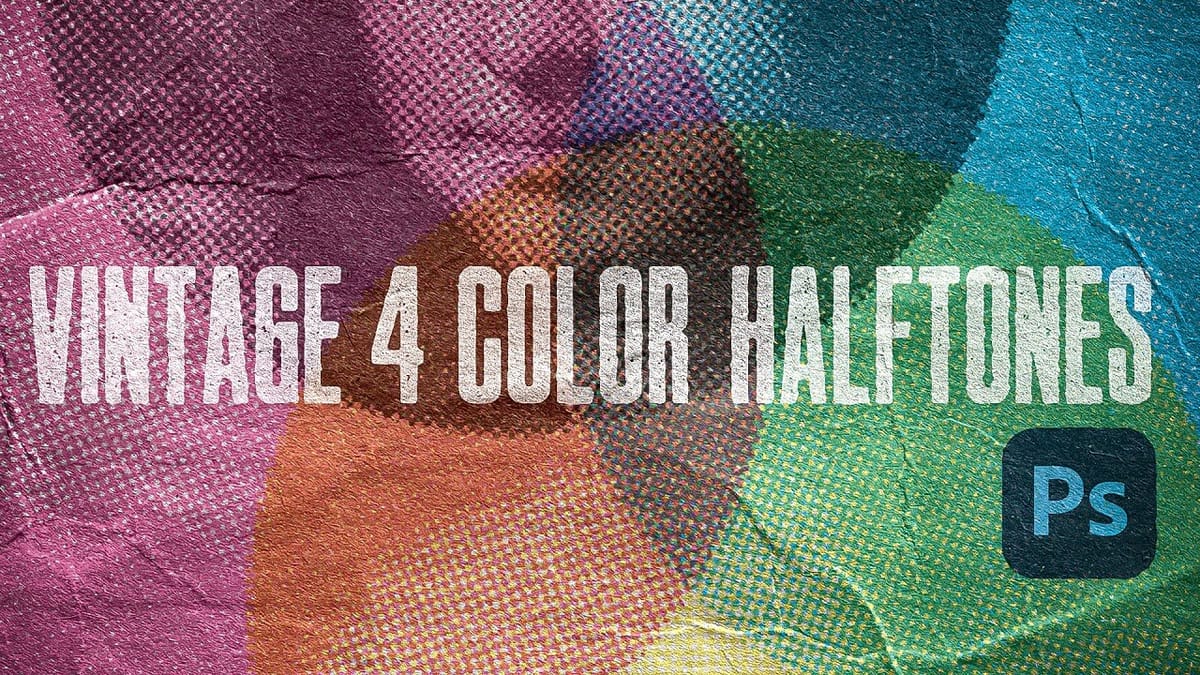
Photoshop’s built-in Color Halftone filter creates rigid, geometric results that lack the authentic character of vintage print work. The filter also fails to produce true CMYK separations in RGB documents, missing the black channel entirely and creating an unconvincing simulation of traditional printing methods. This technique uses custom patterns and
Create an old-school halftone photo effect in Photoshop – Photoshop Roadmap
Creating authentic vintage halftone effects can be challenging when working with modern digital photography. Many designers struggle to achieve that classic print aesthetic without the result looking artificial or overdone. This tutorial demonstrates a multi-layer approach to building realistic halftone vintage effects using threshold adjustments, pattern overlays, and selective masking.
Create awesome retro halftone effects in Photoshop
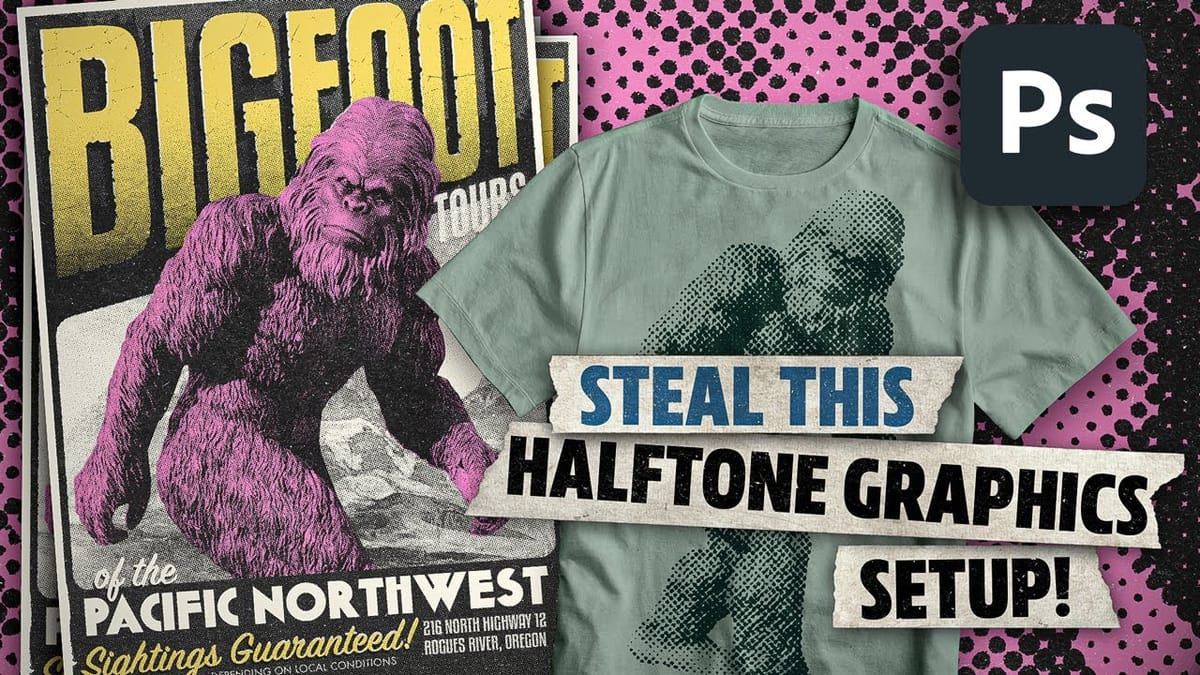
In this tutorial, I’ll run through the setup I use to create halftone effects in Photoshop. Great for posters, apparel, stickers, or just making cool retro-lookin stuff! This approach will bypass the halftone filters and create the effect from scratch, with the added benefit of being live and adjustable. In the second half of the […] More

Get tutorials & freebies delivered to you.

Subscribe to the Photoshop Roadmap newsletter, a weekly roundup of new tutorials, insights and quality downloads, trusted by 6500+ readers.

You might also like

How to Use AI Masking in Adobe Camera Raw for Professional Photo Editing

Adobe Camera Raw's AI masking tools automatically detect subjects, backgrounds, skies, and landscapes, letting you make precise adjustments to specific areas of your photos. These intelligent masks eliminate the need for manual selection work, while allowing you to combine and refine them for complete creative control. The technique...

How to Remove Objects from Photos Using AI Tools in Photoshop

Photoshop's AI-powered object removal tools can eliminate unwanted distractions from your photos with minimal effort. The Remove Tool and Generative Fill feature automated detection for common distractions like people and wires, plus manual painting options for custom removals. These tools work on separate layers, preserving your original image...

Speed Up Your Color Grading Workflow with Photoshop Actions

Color grading can transform your images, but manually adjusting curves and levels for every photo takes time. Photoshop actions offer a faster approach by applying professional color treatments with a single click. This workflow uses pre-built actions, tints, and LUTs to achieve various moods and styles instantly, letting you layer...

7 Essential Tips for Speed Painting in Digital Art

Speed painting isn't just about working faster—it's about eliminating friction from your creative process. These seven techniques help you get ideas onto canvas quickly without getting bogged down in unnecessary decisions or premature details. Whether you're exploring concepts for professional work or personal...

Professional Color Grading Techniques in Photoshop

Color grading transforms ordinary photos into compelling images with professional mood and atmosphere. These non-destructive techniques let you adjust tones, enhance specific colors, and create cinematic looks while preserving your original image data. Master these four essential color grading methods to develop a consistent editing workflow that elevates your photography....

How to Save Cut-Out Elements with Transparent Backgrounds in Photoshop

Creating seamless photo composites requires properly saving cut-out elements with transparent backgrounds. Whether you're extracting people, objects, or other elements for later use, the file format you choose determines how easily you can place these elements into new scenes. Two main approaches work best: saving as PSD files...

You’ve successfully subscribed to Photoshop Roadmap
Welcome back! You’ve successfully signed in.
Great! You’ve successfully signed up.
Success! Your email is updated.
Your link has expired
Success! Check your email for magic link to sign-in.