Easily Enhance Your Photos With HDR Toning in Photoshop

Easily Enhance Your Photos With HDR Toning in Photoshop

HDR (High Dinamic Range) images are created using multiple photographs, each captured at a different exposure. It may happen you didn’t have the chance of shooting more than one image.. don’t worry, even if you haven’t got what’s needed to create a real HDR image, you can fake it.

In this tutorial I’ll show you how to enhance your images faking an HDR effect using the new HDR Toning command in Photoshop CS5. We’ll apply this effect to different images so you can see how this would work with different type of landscape shots.
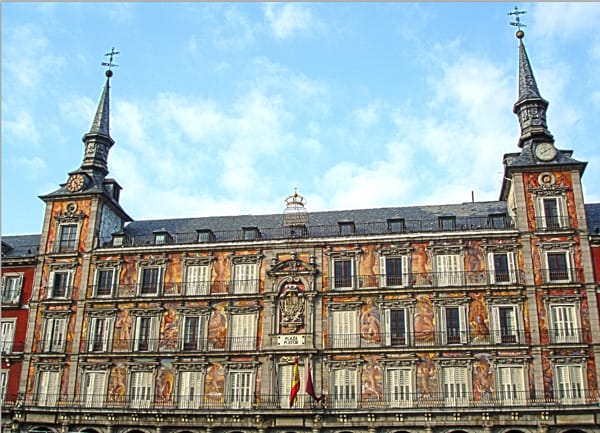
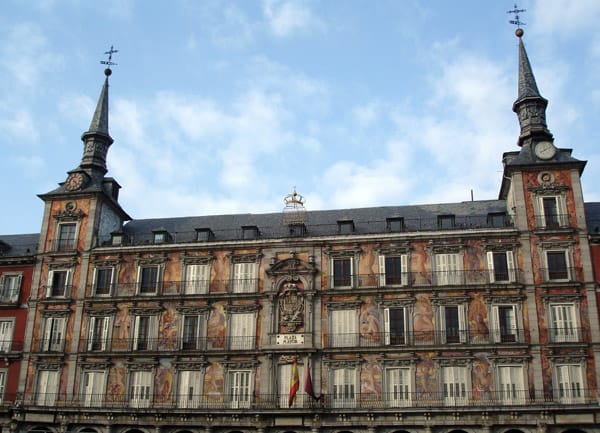
Download and open the first image from Stock.xchng (requires free subscription to download). The image is quite big, you may leave it that way or simply reduce the size to something more easy to handle.

Go to Image > Adjustments > HDR Toning.
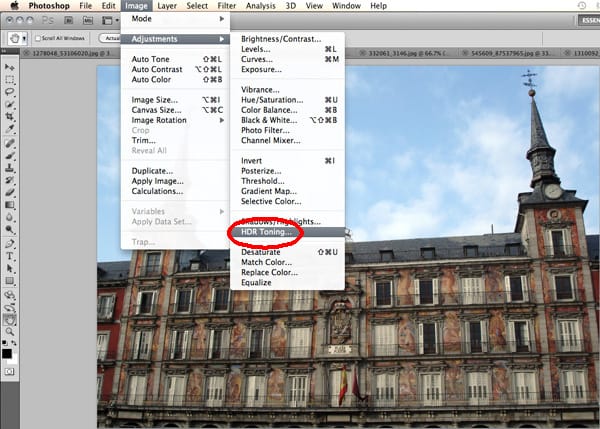
Start with a Default Preset and make sure Method is set to Local Adaptation.
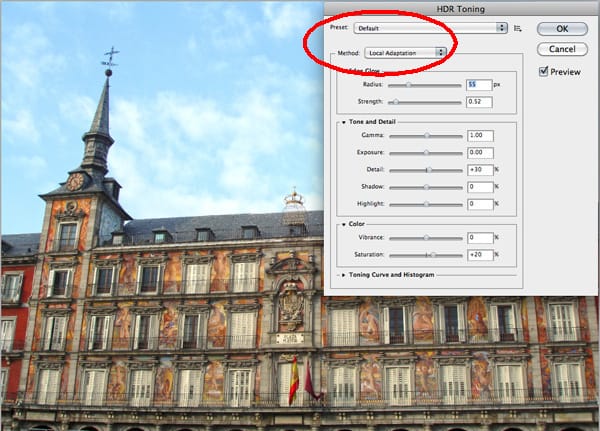
On the HDR Toning window enter the following values:

Edge Glow: set Radius to 12 px and Strength to 1.40

Tone and Detail: set Gamma to 1.10 and Detail to +97%

Color: set Vibrance to +30% and Saturation to +20%

Click OK and that’s it. An extremely fast and easy way to enhance your images with a subtle HDR look.

Click on the image below to view it at full size.

Two More Examples

Open the second image and go to Image > Adjustments > HDR Toning
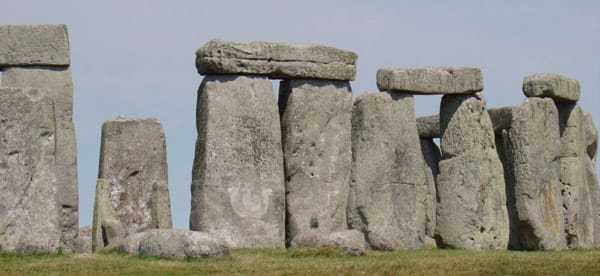
Start with a Default Preset and make sure Method is set to Local Adaptation.

On the HDR Toning window enter the following values:

Edge Glow: set Radius to 17 px and Strenghth to 0.51

Tone and Detail: set Gamma to 1.60, Exposure to -1.00, Detail to +175%, Shadow to +27% and Highlights to +23%

Color: set Vibrance to +70% and Saturation to +20%

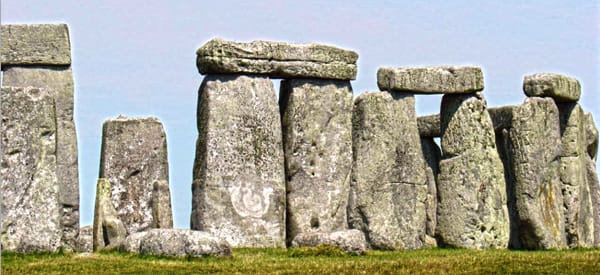
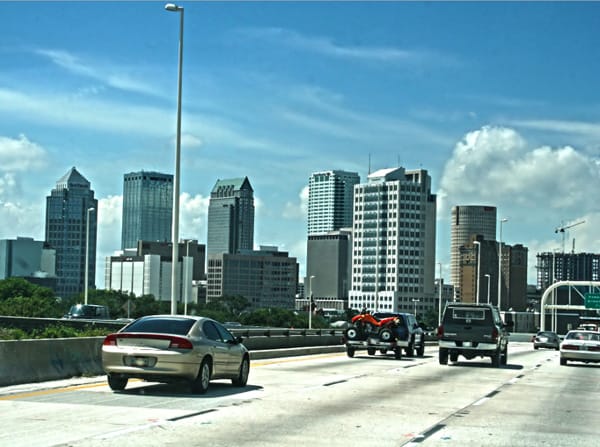
Click OK. Your image should look like the one below.

Click on the image below to view it at full size.
Open the third image and go to Image > Adjustments > HDR Toning
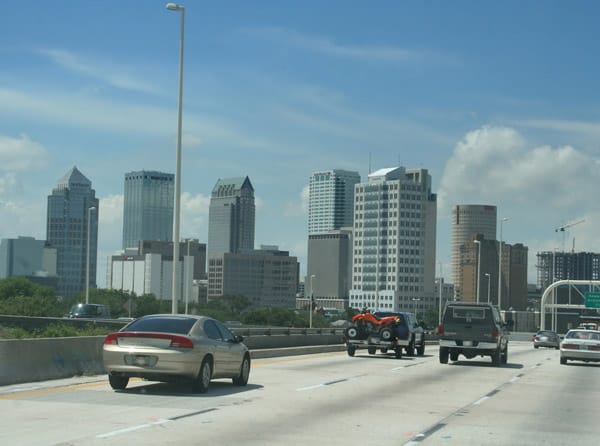
Start with a Default Preset and make sure Method is set to Local Adaptation.

On the HDR Toning window enter the following values:

Edge Glow: set Radius to 40 px and Strength to 1.00

Tone and Detail: set Gamma to 1.10, Detail to +175%, Shadow to +30% and Highlights to -5%

Color: set Vibrance to +50% and Saturation to +20%

Click OK. Your image should look like this:

Click on the image below to view it at full size.
Get tutorials & freebies delivered to you.

Subscribe to the Photoshop Roadmap newsletter, a weekly roundup of new tutorials, insights and quality downloads, trusted by 6500+ readers.

You might also like

How to Create Collage Text Effects in Photoshop

Collage text transforms simple typography into visually striking artwork by combining wrapped paper textures, strategic warping, and careful masking techniques. This creative approach gives letters dimension and character, perfect for artistic projects and unique design elements. The technique involves layering textured materials within letter shapes, then using Photoshop's...

How to Convert Low-Resolution Graphics to Vector Shapes in Photoshop

Pixelated logos and graphics lose their impact when scaled up for print or web projects. Photoshop's Creative Cloud Libraries feature offers a built-in solution for transforming low-resolution black and white images into crisp, scalable vector shapes. This technique works particularly well for simple graphics, logos, and icons that...

How to Use Photoshop's Select Subject Tool for One-Click Selections

Complex selections in Photoshop just became effortless. The Select Subject tool uses advanced AI to automatically identify and select main subjects in images, even those with intricate details like bicycle spokes or hair. This tutorial demonstrates how to achieve professional-quality selections with a single click, saving hours of manual masking...

Understanding Photoshop Blending Modes: A Complete Guide to Layer Blending

Blending modes transform how layers interact in Photoshop, letting you seamlessly combine images without complex masking. This technique reveals only light areas, dark areas, or specific colors from each layer. Master these essential blending groups to create professional composites and artistic effects with just a few clicks. Watch the Tutorial...

Photoshop 2026 New Features: AI Tools and Credit System Overview

Photoshop 2026 introduces powerful AI-driven features including advanced generative fill models, sophisticated upscaling tools, and seamless harmonization effects. These updates promise to streamline complex editing tasks while delivering professional-quality results. The software now operates on a credit-based system that divides features into standard and premium tiers, fundamentally changing how users...

How to Add Objects to Photos Using Photoshop's Generative Fill

Photoshop's Generative Fill transforms photo editing by letting you add realistic objects using simple text descriptions. This AI-powered feature creates seamless additions that match your image's lighting, perspective, and style. The process requires just a basic selection and a descriptive prompt to generate professional-looking results in...

You’ve successfully subscribed to Photoshop Roadmap
Welcome back! You’ve successfully signed in.
Great! You’ve successfully signed up.
Success! Your email is updated.
Your link has expired
Success! Check your email for magic link to sign-in.